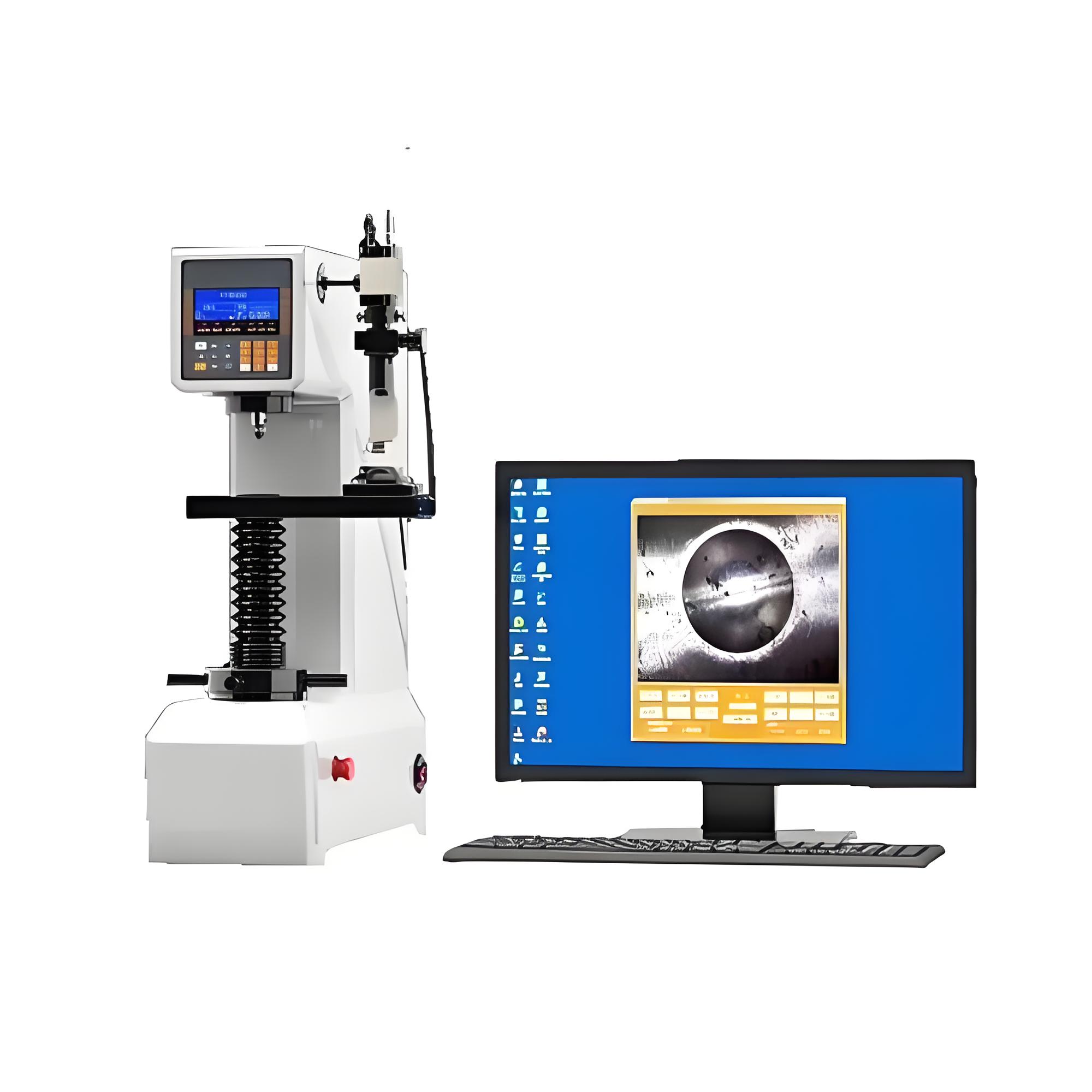
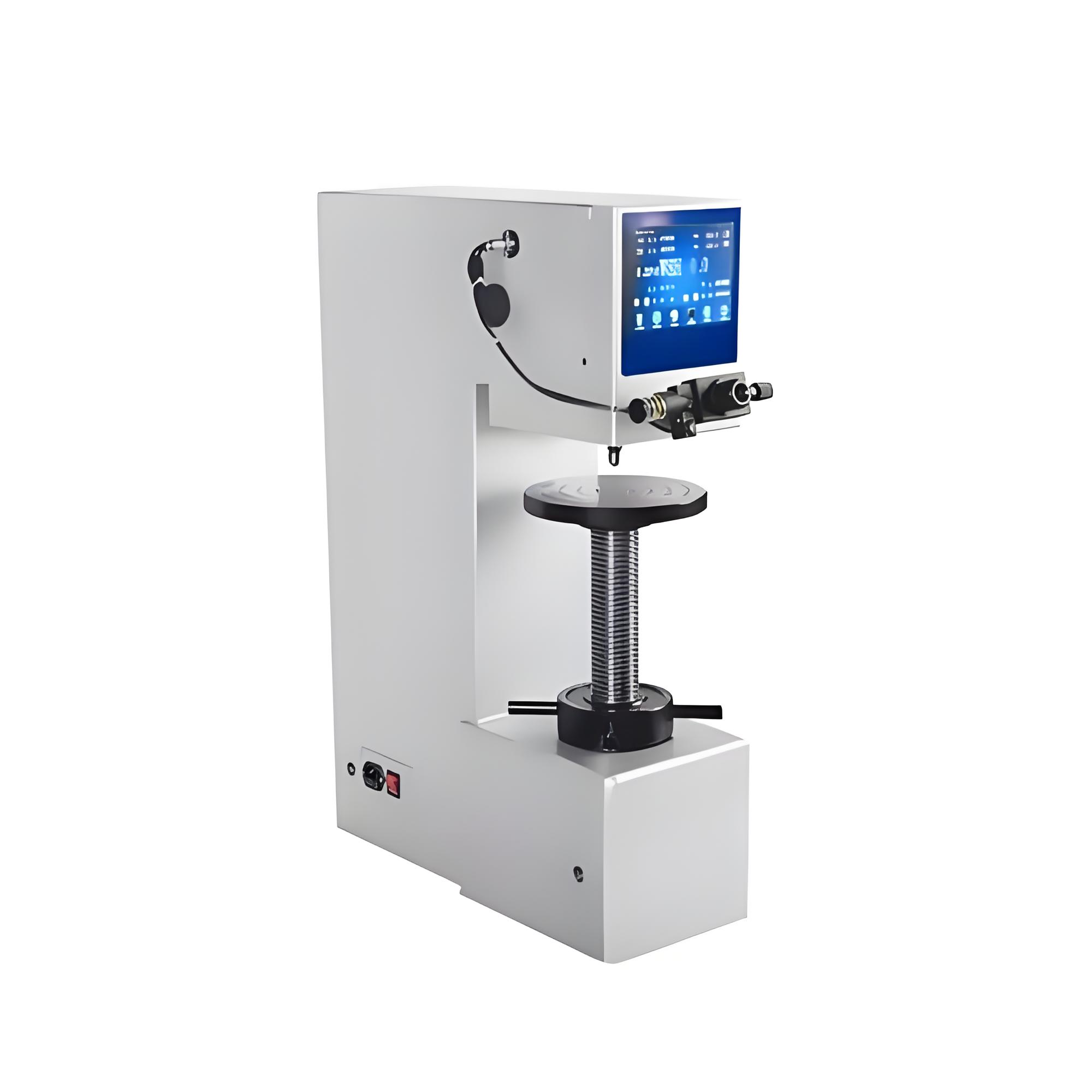


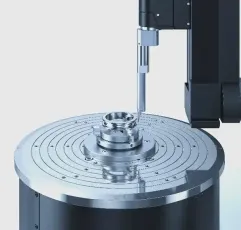
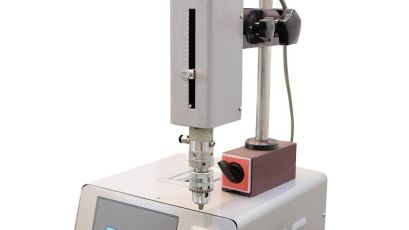
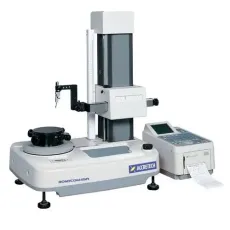
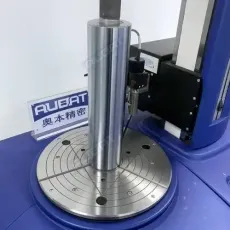
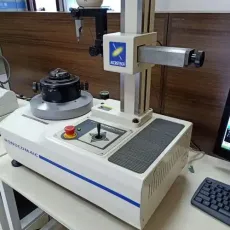
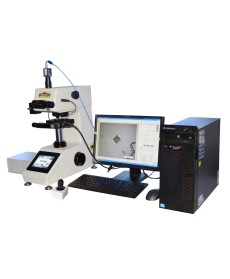
This Brinell hardness tester solves the pain point of testing large, thick metal components where portable testers cannot produce valid, measurable indentations. Its hydraulic loading system maintains test force stability within ±0.5% of set values, ensuring consistent results across multiple tests. The digital imaging system automatically measures indentation diameter with a precision of 0.01mm, eliminating human error from manual measurement. The large-capacity data storage system saves up to 10000 test records with full sample metadata, and the USB and Ethernet interfaces support integration with factory automation and quality management systems. It also includes a self-diagnostic system to monitor equipment performance and alert users to maintenance needs, reducing downtime and ensuring long-term testing accuracy.
Test Force Range: 3000kgf, 1500kgf, 1000kgf (standard configurations); Indenter Types: 10mm, 5mm, 2.5mm hardened steel balls; indentation Measurement Accuracy: ±0.01mm; Sample Maximum Thickness: 300mm; Sample Stage Dimensions: 400mm x 400mm; Power Supply: 110/220V AC, 50/60Hz; Net Weight: 120kg; Overall Dimensions: 1200mm x 800mm x 1500mm; Calibration Standard: NIST-traceable Brinell hardness blocks; Software: Included factory-quality control data analysis software; Operating Humidity: 20% to 60% RH (non-condensing).
This desktop Brinell hardness tester is used in heavy machinery manufacturing to test the hardness of cast iron engine blocks and steel forgings, in aerospace to verify the hardness of large turbine components, in railway production to check the hardness of train wheels and rails, and in metal casting facilities to conduct incoming material quality control. It is also ideal for government and academic testing labs conducting large-scale material hardness characterization.







 Post RFQ


 Chat
Chat


 ALL CATEGORIES