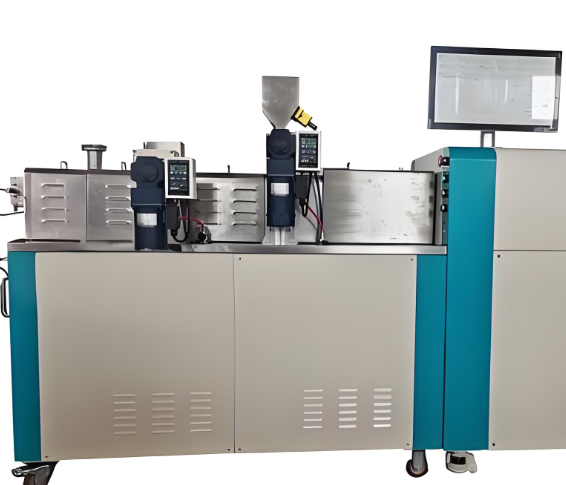
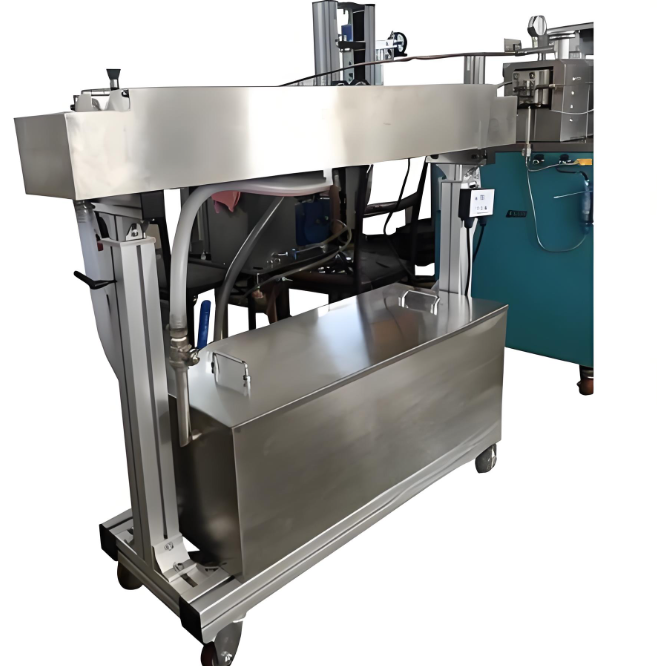


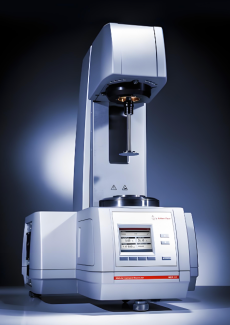
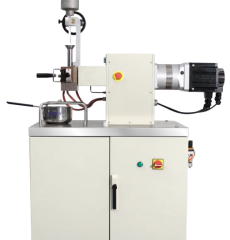
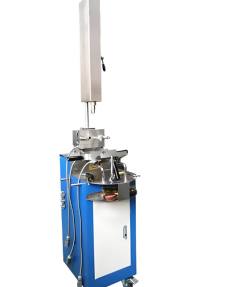
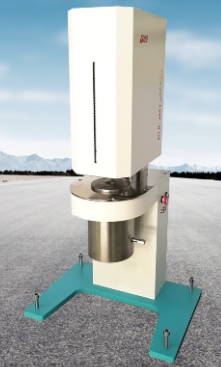
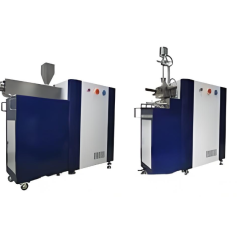
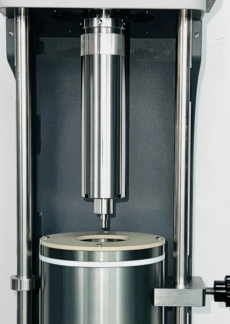
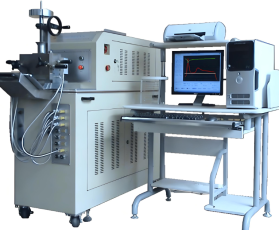
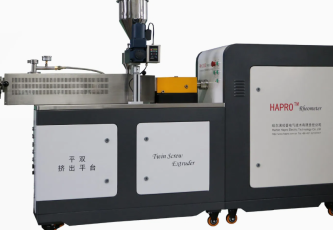
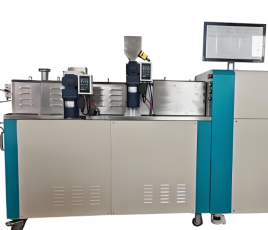
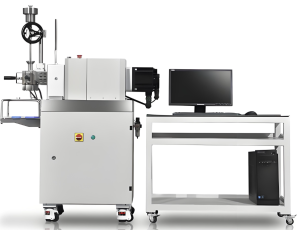
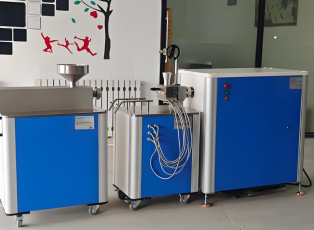
It adopts a customized twin-screw structure with an L/D ratio of up to 40:1, which matches the parameters of industrial-grade twin-screw extruders. It is equipped with an independent temperature control system that can independently control the temperature of each screw section to simulate the temperature distribution of a real extruder. The built-in torque monitoring module can real-time monitor the torque of the twin-screw to reflect the mixing effect and melting degree of the material. It is equipped with a visual screw speed adjustment system that can accurately control the screw speed range to adapt to the extrusion requirements of different materials. It supports simulating different feeding rates and feeding methods to provide accurate process reference data for industrial production.
Torque measurement range: 5~800 N·m, accuracy ±0.4%FS; Temperature control range: 25℃~450℃, each section temperature control accuracy ±1℃; Screw diameter: 30 mm, L/D ratio 40:1; Rotor speed range: 10~500 rpm, speed accuracy ±0.1 rpm; Effective barrel volume: 150 cm³; Overall dimensions: 1500mm (L) × 1000mm (W) × 1800mm (H); Total weight: 220 kg; Power supply: 220V AC 50/60Hz; Data output format: extrusion rheology curve CSV/PDF; Supporting certification: CE, FCC.
It is suitable for twin-screw extrusion process optimization of plastic modification enterprises, mixing performance testing of polymer composite materials, extruder equipment R&D, teaching experiments of university polymer materials majors and other scenarios. It can help R&D personnel quickly adjust parameters such as twin-screw extruder temperature, speed and feeding rate, optimize the mixing effect of materials and final product performance, and provide core test data for the R&D of new twin-screw extruders.









 Post RFQ


 Chat
Chat




 ALL CATEGORIES