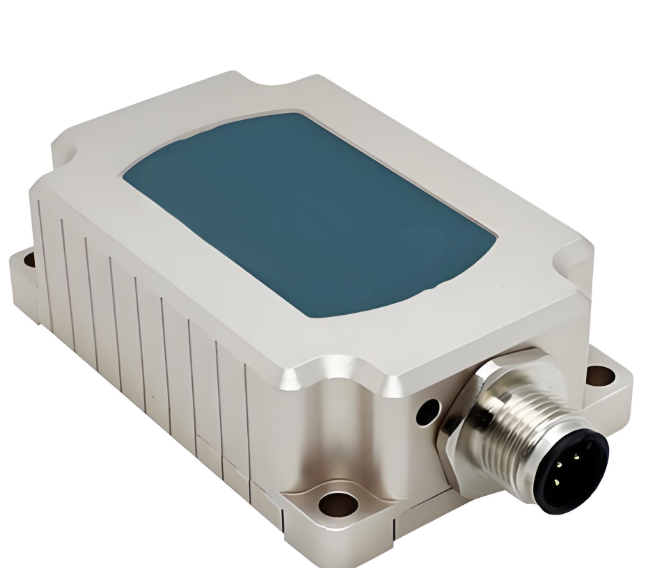
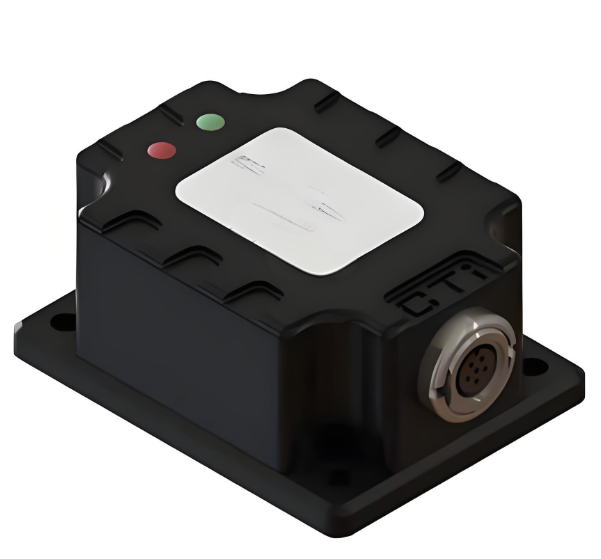



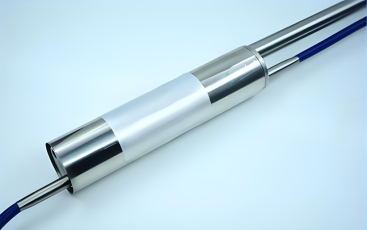
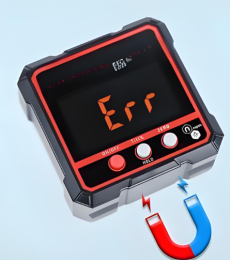
This high-precision fiber optic inclinometer has three core competitive advantages: first, it uses fiber grating sensing technology, with an accuracy of 0.001°, which can meet the needs of ultra-high-precision tilt measurement. Second, it has strong anti-electromagnetic interference ability, which can work stably in strong electromagnetic environments such as power stations, substations and industrial workshops. Third, it supports multiple data output interfaces, including RS485 and Ethernet, which can be easily connected to the industrial control system for real-time data monitoring and analysis. In addition, it has a large-capacity data storage function, which can store up to 100000 groups of measurement data, and supports remote data query and analysis through the cloud platform.
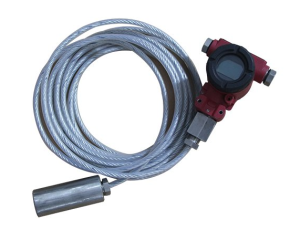
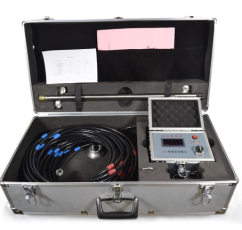
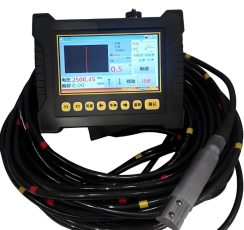
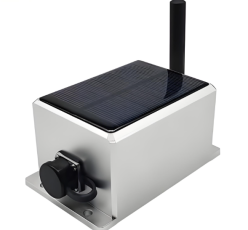
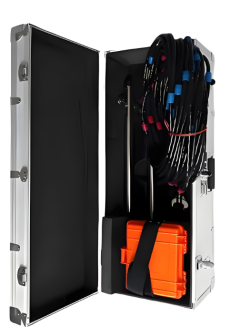
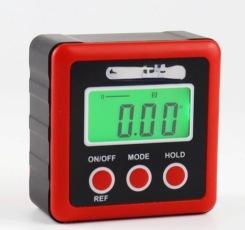
The high-precision fiber optic inclinometer has the following detailed specifications: measurement range is ±10°, measurement accuracy is 0.001°, resolution is 0.0001°. It uses fiber grating sensing technology, with a response speed of 10Hz. The operating temperature range is -40°C to 85°C, which can adapt to various harsh industrial environments. The product is made of titanium alloy, with IP68 protection grade, which can resist the erosion of various chemical liquids and impurities. It is equipped with RS485 and Ethernet data interfaces, which can transmit data to the industrial control center in real time. The built-in data storage can store 100000 groups of measurement data, and supports remote data query through the dedicated software. The product size is 200*150*80 millimeters, weighing 2.5 Kilograms, and is equipped with a fixed bracket for easy installation.
This product is mainly used in the following high-precision monitoring scenarios: first, dam and levee safety monitoring, real-time monitoring of the tilt of dam foundations and levees to prevent major safety accidents. Second, high-rise building and bridge structural health monitoring, detecting the tiny tilt changes of buildings and bridges to ensure their safe operation. Third, power plant and substation equipment monitoring, monitoring the tilt of generators and transformers to avoid equipment damage caused by tilting. Fourth, large-scale industrial equipment installation and debugging, such as wind turbine generators, large cranes and other equipment, ensuring the installation accuracy of the equipment. It can also be used for aerospace equipment testing and military engineering measurement, meeting the needs of ultra-high-precision tilt measurement.








 Post RFQ


 Chat
Chat


 ALL CATEGORIES