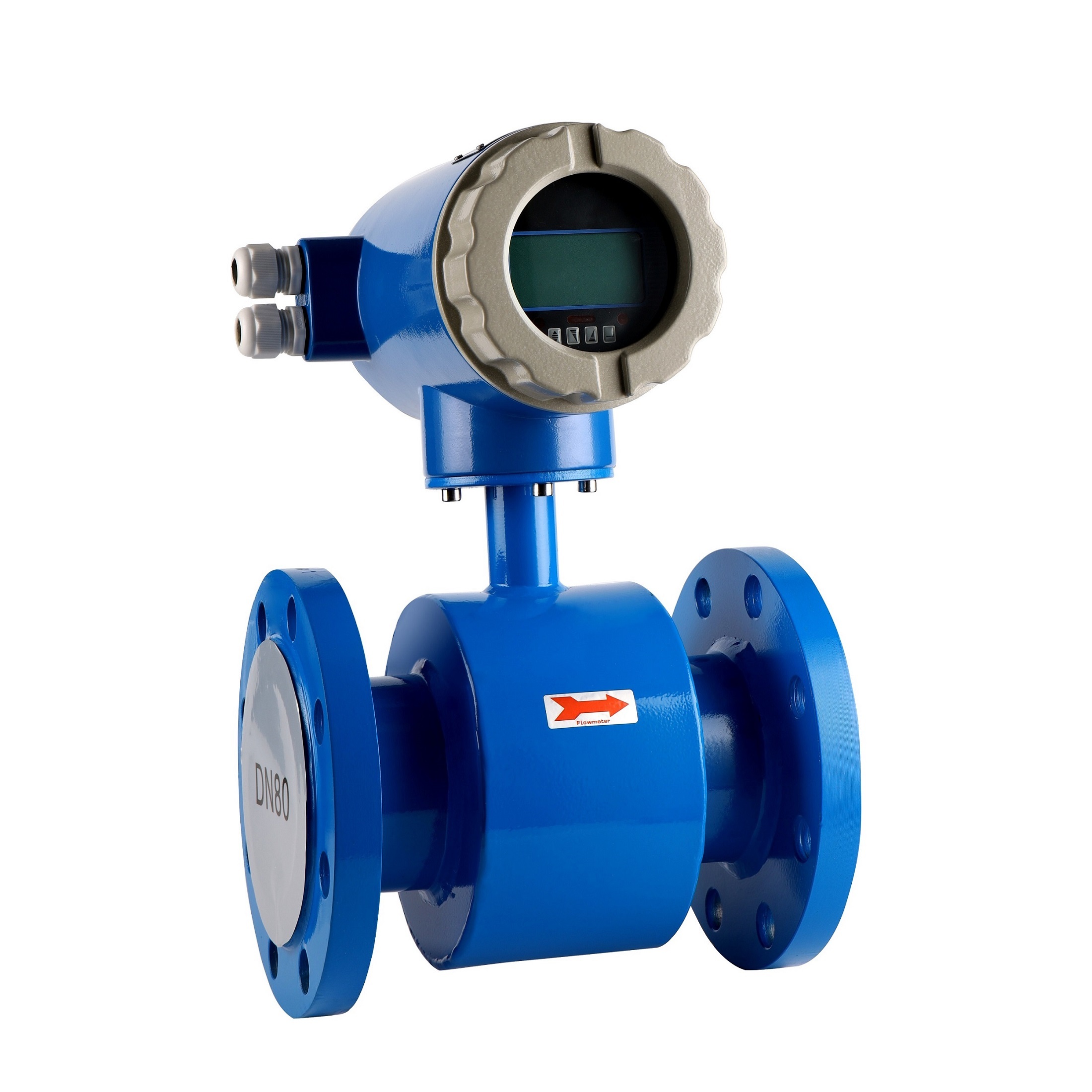
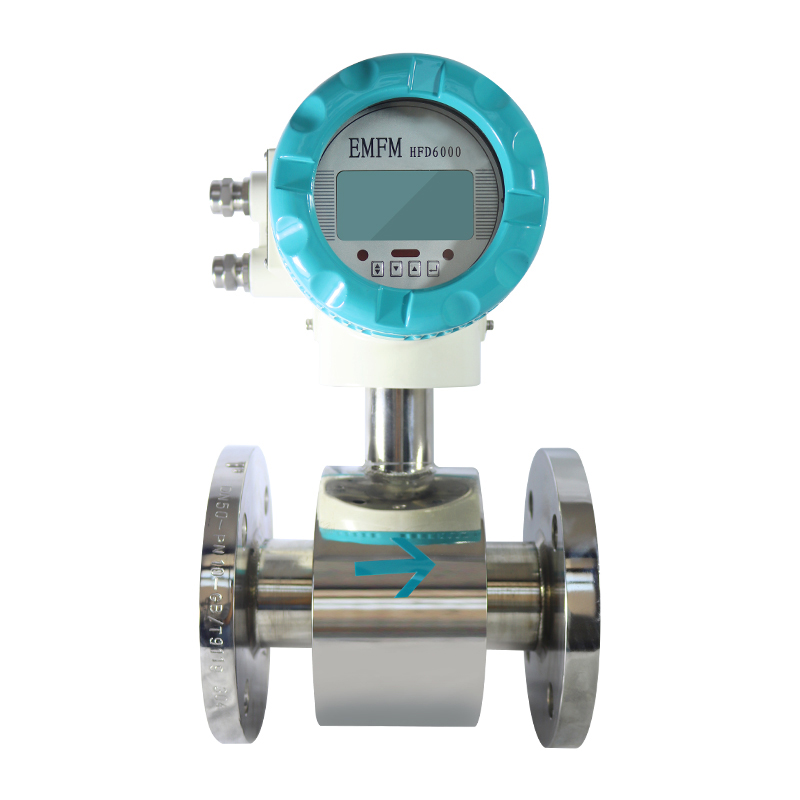



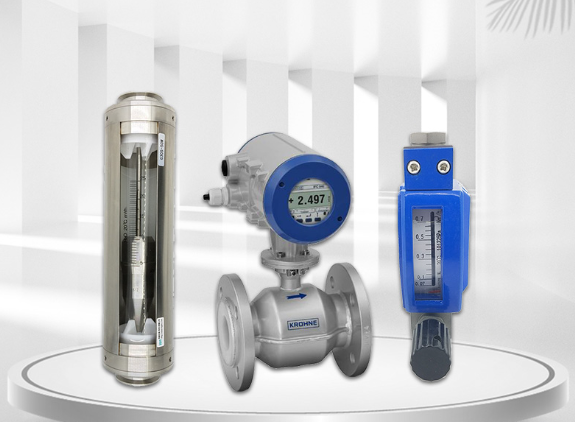
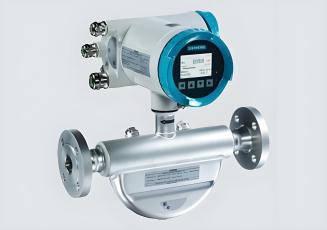
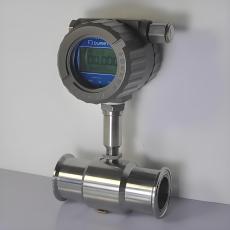
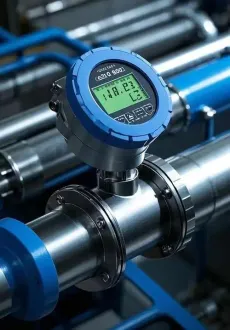
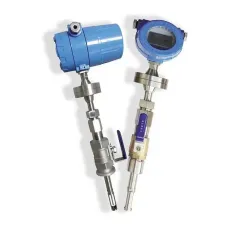
The core advantage of this electromagnetic flow meter is its fully sealed design with no moving parts, which results in minimal maintenance requirements and a long service life. Its interchangeable lining and electrode materials allow it to adapt to highly corrosive and abrasive fluids, making it suitable for a wide range of industrial applications. It supports bidirectional flow measurement and built-in data storage, enabling users to track historical flow data effectively. It addresses the pain points of traditional mechanical flow meters, such as frequent clogging and high maintenance costs, making it well-suited for harsh working environments.
The electromagnetic flow meter is available in pipe diameters ranging from DN15 to DN2000, with the DN100 model weighing approximately 80kg. The lining thickness ranges from 3mm to 5mm depending on the media and working pressure. It has a response time of less than 500ms and supports multiple output signals for integration with SCADA systems. The standard connection flanges meet ANSI and DIN standards, and the submersible version can be installed in underwater environments with a depth of up to 10m. It also features a low-power consumption mode, making it suitable for battery-powered remote monitoring scenarios.
This electromagnetic flow meter is widely used in municipal and industrial water treatment applications. In the municipal sector, it is used for measuring tap water, sewage, and rainwater runoff. In the industrial sector, it is used for metering process fluids in paper mills, mining plants, and food processing facilities. It is also suitable for measuring corrosive chemicals in chemical plants and electrolyte solutions in battery manufacturing. Additionally, it can be used for flow measurement in agricultural irrigation systems and water resource monitoring projects.







 Post RFQ


 Chat
Chat


 ALL CATEGORIES