

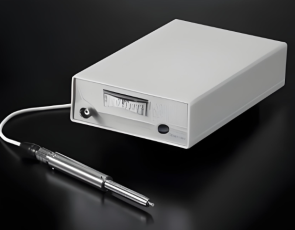
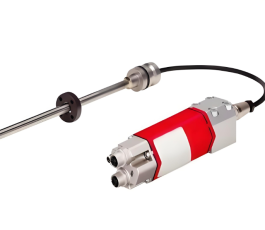
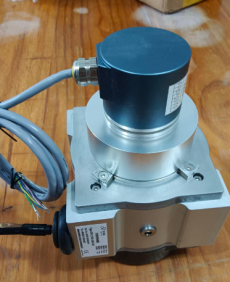
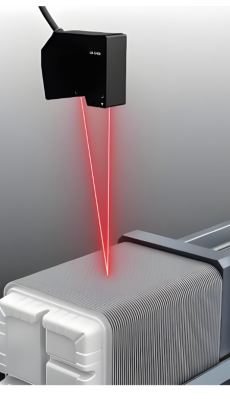

This ultrasonic flowmeter has multiple core advantages. First, it adopts clamp-on installation, which does not need to shut down the pipeline for installation, greatly reducing the installation time and cost. Second, it has no contact with the medium, so it will not cause corrosion or wear of the sensor, and has a long service life. Third, it supports LoRaWAN wireless communication, which can realize remote data transmission and monitoring, especially suitable for large-scale pipeline network monitoring. It also has a built-in high-capacity lithium battery, which can work continuously for more than 5 years, reducing the frequency of battery replacement.
Detailed specifications include: flow measurement range covers 10-2000 m³/h, with an accuracy grade of ±1.0% of reading, which meets the requirements of conventional flow measurement. The pipe diameter adaptation range is DN20 to DN2000, which can adapt to most pipeline specifications. The working temperature ranges from -20℃ to +60℃, suitable for most outdoor and indoor scenarios. The shell is made of aluminum alloy with waterproof coating, with IP67 protection grade, which can adapt to harsh outdoor environments. It supports multiple output signal modes, including 4-20mA, RS485 and LoRaWAN, and can be connected with various monitoring platforms. The built-in 3.6V lithium battery can provide long-term power supply, and the low-power design ensures long service life.
This non-contact ultrasonic flowmeter is mainly suitable for municipal water supply network monitoring, temporary flow measurement of oil transportation pipelines, water conservancy pipeline flow monitoring, ship ballast water flow measurement and other scenarios. Typical application cases include: real-time monitoring of the flow of urban tap water pipelines without stopping the pipeline for installation, temporary flow measurement of oil transportation pipelines in oil fields, and flow monitoring of farmland irrigation pipelines. It can also be used in emergency water flow measurement of flood control and drought relief, providing accurate flow data for disaster prevention and reduction work.







 Post RFQ


 Chat
Chat


 ALL CATEGORIES