




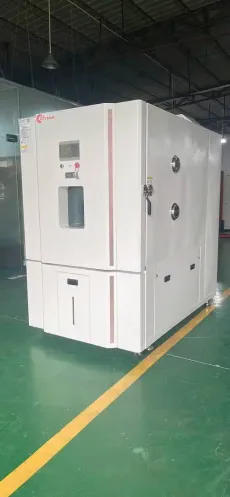

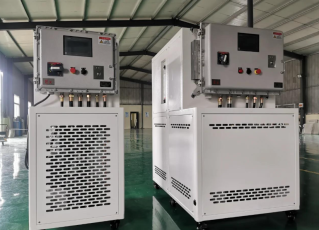
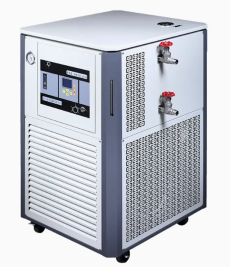
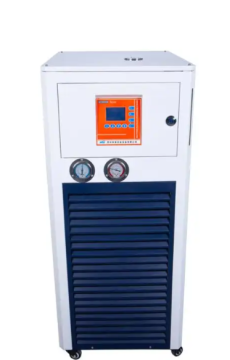
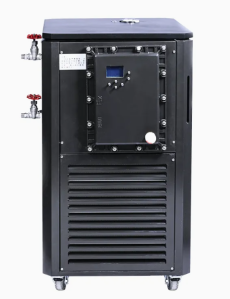
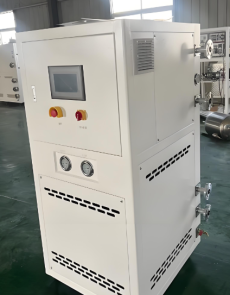
Its core advantage lies in ultra-low temperature high-precision control. It adopts special low-temperature PID control technology to achieve ultra-high temperature control accuracy of ±0.01℃, meeting the strict requirements of high-end scientific research equipment such as superconducting magnets. It adopts 316L stainless steel shell, corrosion-resistant and adapting to ultra-low temperature environments. It is equipped with a liquid helium circulation system, which can achieve ultra-low temperature control of -269℃, meeting the cooling needs of superconducting magnets. It is equipped with multiple low-temperature protection mechanisms including low-temperature alarm, pressure protection and flow monitoring, ensuring the safety of ultra-low temperature operation. The high-efficiency low-temperature compressor reduces energy consumption by 30% compared with traditional equipment, reducing scientific research costs. It supports remote data monitoring and automatic control, adapting to the digital management needs of modern scientific research platforms, which is different from the insufficient accuracy of ordinary temperature control equipment.
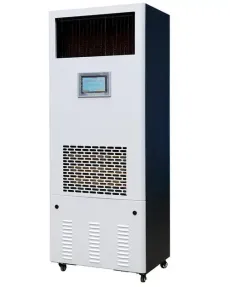
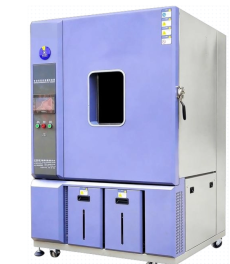
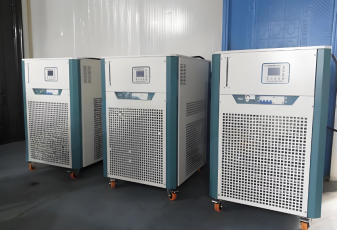
The overall size is 1200*800*1500 mm, net weight is 450 kg, and the power supply is AC 400V 50/60Hz. The temperature control range is -269℃ to 100℃, and the temperature control accuracy is ±0.01℃. The heating power is 2kW, the cooling power is 1.8kW, and the circulating flow rate is stable at 5L/min. Liquid helium is used as the standard temperature control medium, and other low-temperature media such as liquid nitrogen can also be adapted. It is equipped with a professional scientific research grade touch screen, supporting real-time temperature curve recording, data export and parameter presetting. The operating noise of the equipment is lower than 75dB, meeting the noise standards of scientific research laboratories. All components have passed ultra-low temperature aging tests to ensure the stability of the equipment in extreme environments.
It is mainly used in superconducting magnet cooling, temperature control of quantum computer core components, condensed matter physics experiments, low-temperature material performance tests, auxiliary temperature control of nuclear magnetic resonance equipment and other high-end scientific research scenarios. It can be matched with various large-scale scientific research equipment to provide precise ultra-low temperature or high-temperature temperature control. It can also be used in frontier scientific research projects of national scientific research laboratories, providing temperature control support for researchers and helping breakthrough research in fields such as quantum physics and materials science.








 Post RFQ


 Chat
Chat


 ALL CATEGORIES