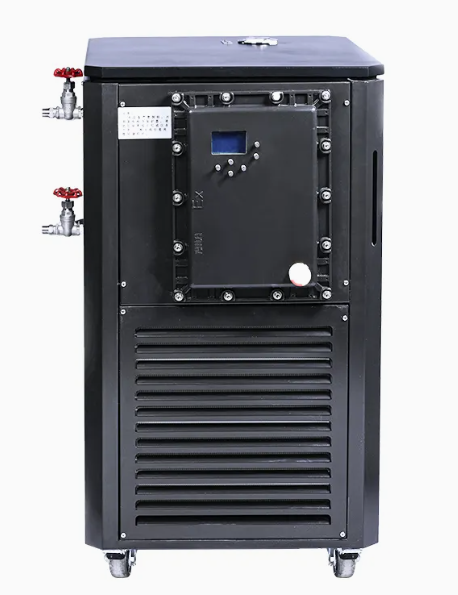
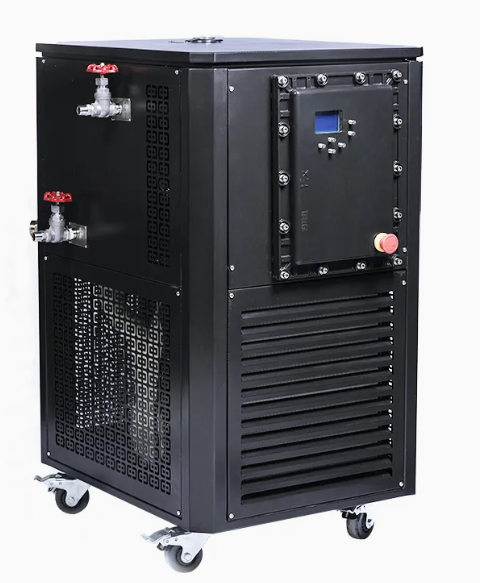





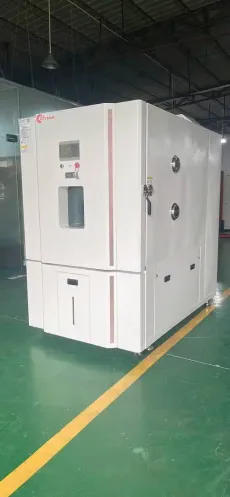

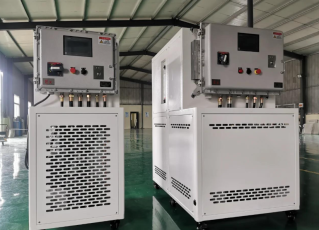
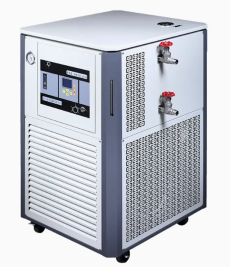
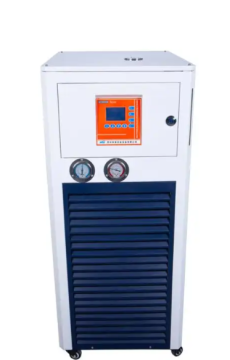
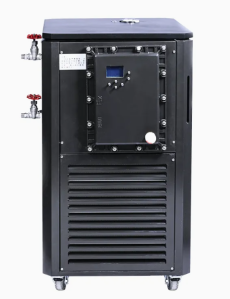
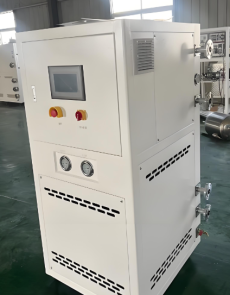
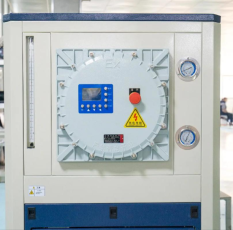
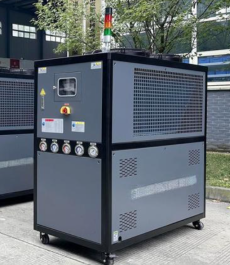
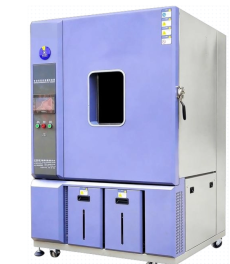
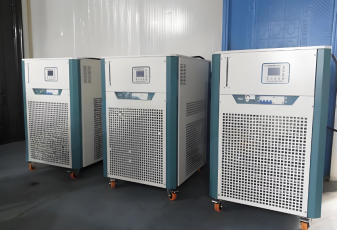
The core advantage of this ultra-low temperature machine is its two-stage compressor refrigeration system, which can quickly reach and maintain an ultra-low temperature of -80℃, with a stable temperature control accuracy of ±0.5℃ even in extreme environments. Its 316L stainless steel inner tank has strong corrosion resistance and low-temperature resistance, adapting to various low-temperature heat-conducting media and ensuring long-term stable operation. The advanced PID control system supports intelligent temperature compensation, ensuring stable temperature control during ultra-low temperature and high-temperature switching. It is equipped with an intelligent fault diagnosis system, which can quickly locate and deal with faults, reducing maintenance time. It also has a complete set of safety protection systems for ultra-low temperature environments, avoiding equipment damage and personal injury caused by ultra-low temperature leakage.
This ultra-low temperature machine has a temperature range of -80℃ to 150℃, with a temperature control accuracy of ±0.5℃. The circulating flow rate is 30L/min, and the working pressure is 0.35MPa. The rated power is 12kW, and the power supply is AC380V 50Hz. The whole machine has a protection level of IP54, which can adapt to the general industrial and scientific research environment. The overall dimensions are 1300×1600×1900mm, and the weight is 950kg, suitable for fixed installation in special laboratories and production workshops. It uses R404A refrigerant, which has good low-temperature performance and environmental protection. The operating noise is controlled within 75dB, and it is equipped with a 40L oil tank, which can meet the long-term continuous operation needs of special experiments.
This ultra-low temperature high-low temperature integrated machine is mainly suitable for superconducting material research, cryogenic biological sample library, special material synthesis and quantum physics experimental environment control scenarios. It can provide stable ultra-low temperature and high-temperature environment for superconducting material testing, low-temperature biological sample preservation and other projects. It is also suitable for special industrial production scenarios such as new energy material production and aerospace material testing, helping researchers and enterprises complete special experiments and production that require extreme temperature environments.







 Post RFQ


 Chat
Chat


 ALL CATEGORIES