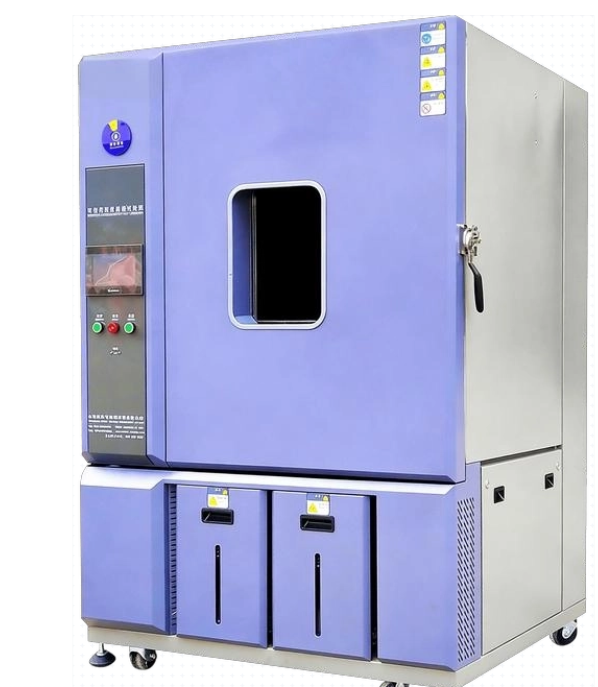
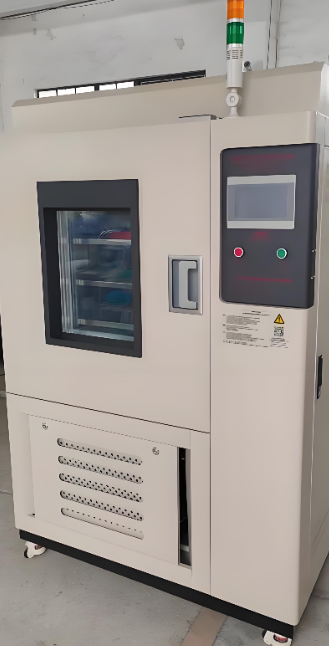





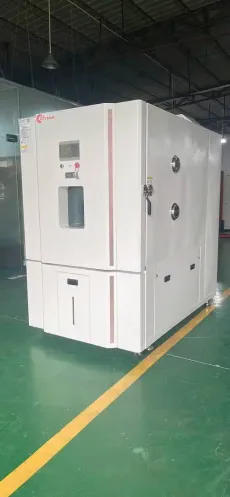

Optimized for new energy battery testing scenarios, it achieves wide-range temperature control from -40℃ to 80℃, and ±0.2℃ high-precision temperature control can meet the strict requirements of battery thermal management testing. It supports 4 independent tooling interfaces, which can test multiple battery samples at the same time and improve testing efficiency. It is equipped with CANopen/Modbus communication protocol, which can be linked with the battery test bench to realize synchronous collection of temperature and charging and discharging parameters. It has the ability of rapid temperature rise and fall, and can complete the temperature switch from -40℃ to 80℃ within 10 minutes, solving the pain point of slow temperature rise and fall of traditional testing equipment. It has data storage function, which can store 1000 sets of test data, and is equipped with professional analysis software to facilitate the sorting and analysis of test results.
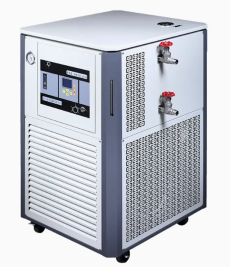
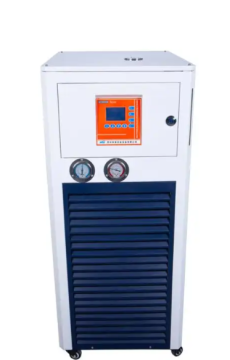
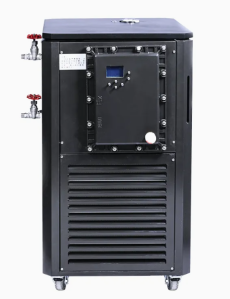
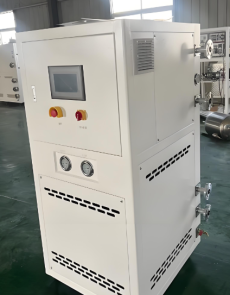
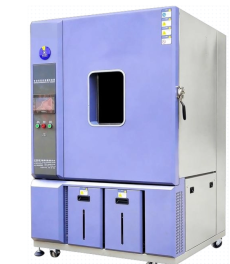
The overall size is 1500*1000*2000mm, with a net weight of 420kg. It adopts variable frequency compression refrigeration unit, which can automatically adjust the cooling power according to the load to reduce energy consumption. The circulating flow rate is 40L/min, the working pressure is 0.8MPa, and the tooling interface adopts quick-connect design, which is convenient for replacing test samples. It is equipped with a 7-inch industrial touch screen, which can display the temperature curve and test parameters in real time, and supports remote monitoring function. The protection rating is IP55, which can adapt to the testing environment of laboratory or production workshop. The power specification is AC380V 50/60Hz.
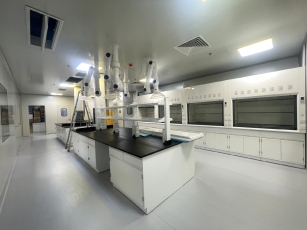
It is suitable for high and low temperature performance testing of new energy vehicle power battery PACK, thermal stability testing of single lithium-ion batteries, temperature calibration of battery management system (BMS), environmental adaptability testing of energy storage batteries, and battery performance certification testing of third-party testing institutions. It can be linked with various battery test benches and charging and discharging equipment to realize a complete battery performance testing process, providing accurate temperature control support for new energy battery R&D and production.



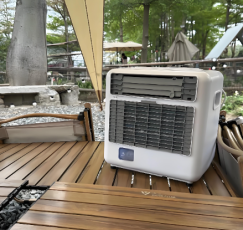
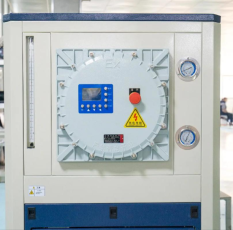
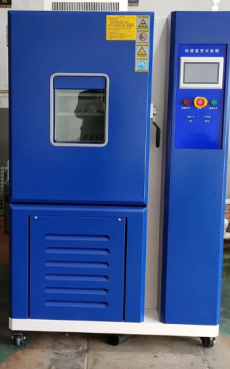
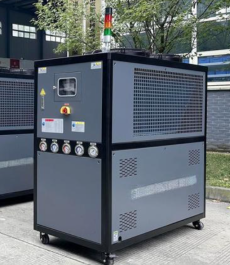





 Post RFQ


 Chat
Chat


 ALL CATEGORIES