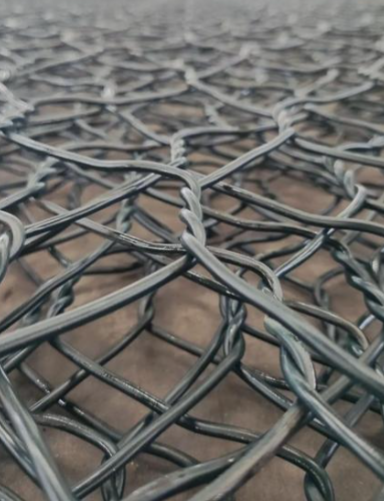
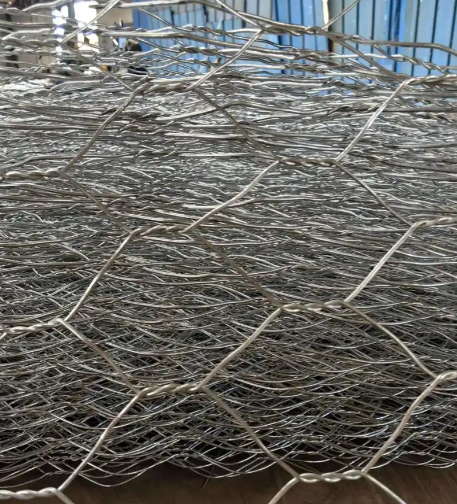


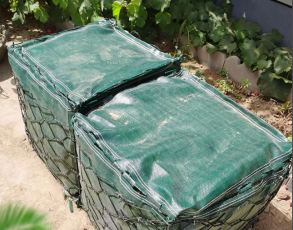
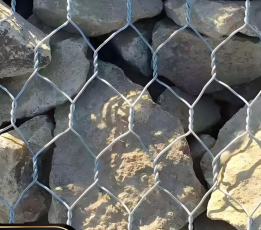
The core advantage lies in the double-layer galvanized anti-corrosion process, which greatly improves the corrosion resistance to seawater and acid-base soil. The heavy-duty woven structure endows the product with excellent tensile strength and flexible deformation ability, which can adapt to uneven foundation settlement and avoid structural fracture. Compared with traditional concrete revetment, this product is easy to install without large construction equipment, and only needs to fill local stone materials to complete the construction, which reduces transportation and construction costs. At the same time, its water permeability and air permeability can effectively maintain the soil hydrological balance and reduce bank slope soil erosion, which meets the construction standards of ecological water conservancy. It also has the environmental protection feature of recyclable reuse.
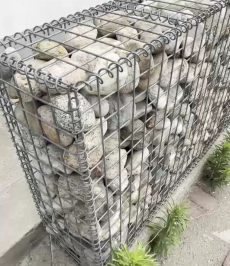
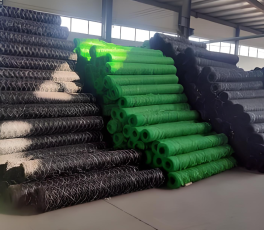
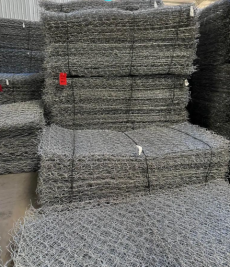
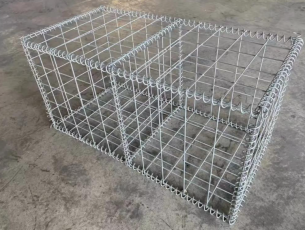
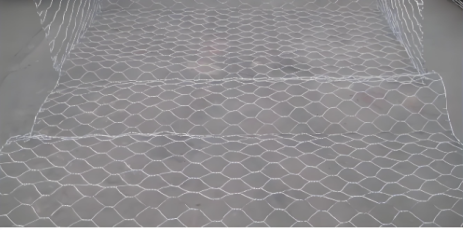
The detailed parameters include using high-quality low-carbon steel wire with a diameter of 2.7mm to 4.0mm, the woven mesh aperture covers 60×80mm to 100×120mm, the unit weight ranges from 8 to 15 kg per square meter. A single group of gabion box can be customized with a length of 1m to 6m, width of 0.5m to 2m, and height of 0.3m to 1.5m, which meets the ISO 9001 and CE EN 10223 quality certification standards. The packaging adopts palletized coil packaging, which is convenient for storage and transportation. The standard length of each roll can reach 50 meters, and it can be cut into custom sizes according to customer needs. The tensile strength of the wire is not less than 380MPa, which meets the load requirements of high-strength slope protection.
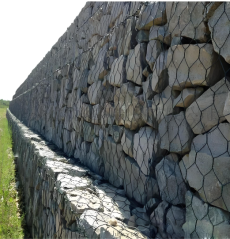
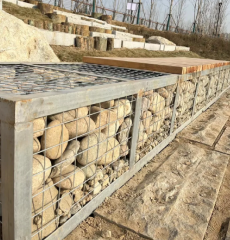
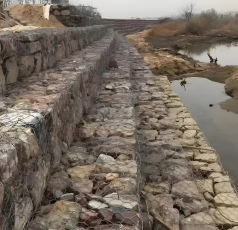
It is mainly used in inland river slope protection, flood dyke reinforcement of large rivers such as the Yangtze River and Yellow River, reservoir slope protection and other water conservancy engineering scenarios. It can also be used for highway and railway subgrade slope protection, mountain flood disaster emergency management projects, and coastal zone bank slope protection in coastal areas. By filling local granite, cobblestones and other stone materials, a flexible protection structure is formed to resist water flow scouring and wind and wave erosion. Typical usage scenarios include the Huaihe River main stream slope protection project, the Three Gorges Reservoir area slope reinforcement project, and the mountain flood prevention and control projects in western mountainous areas.








 Post RFQ


 Chat
Chat


 ALL CATEGORIES