Basic Info
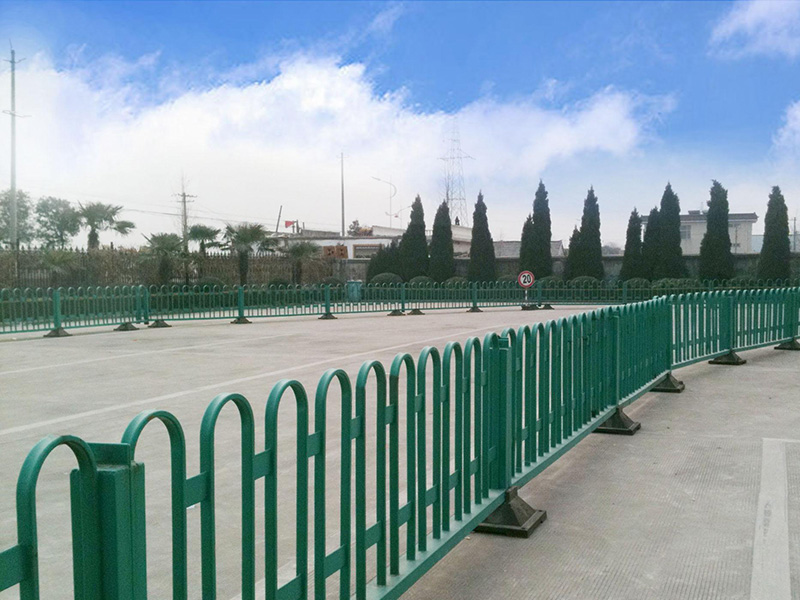
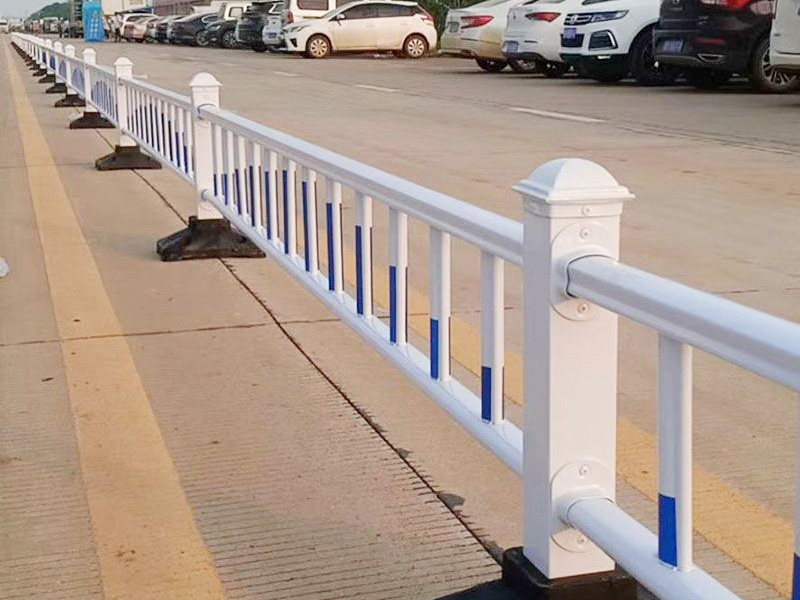
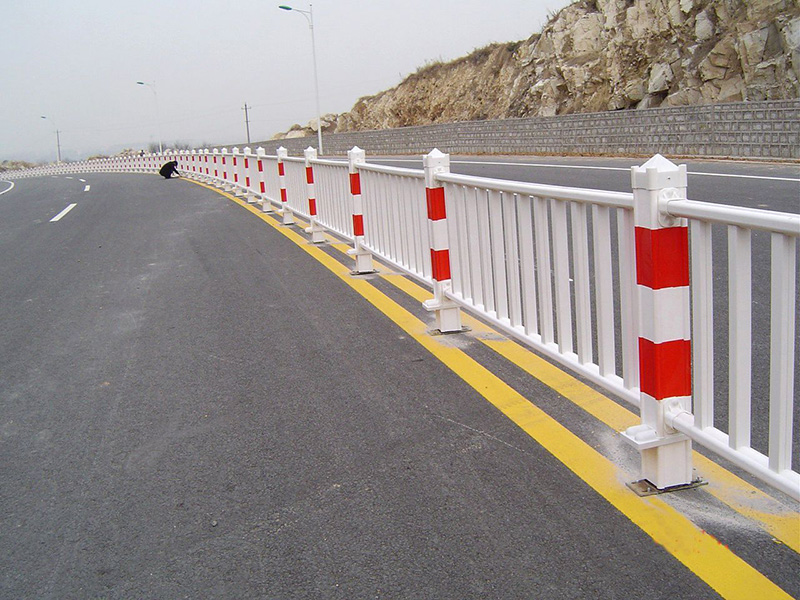
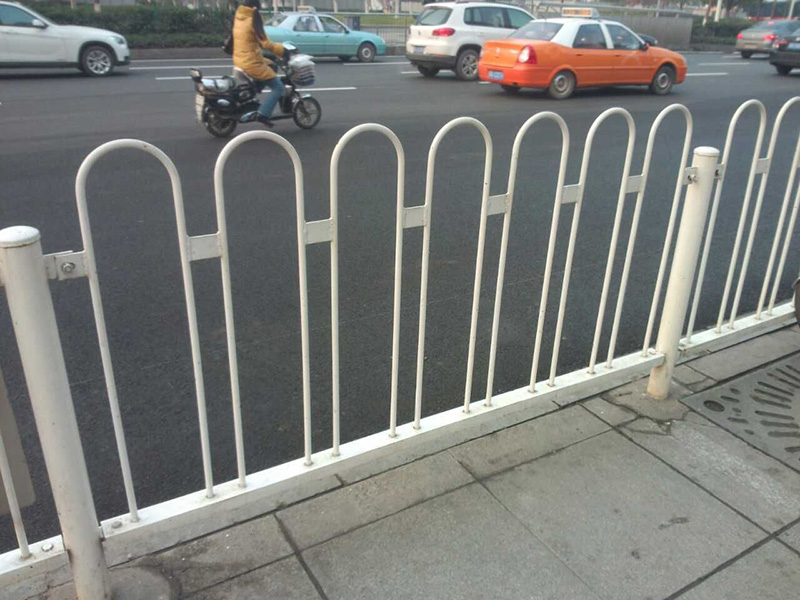
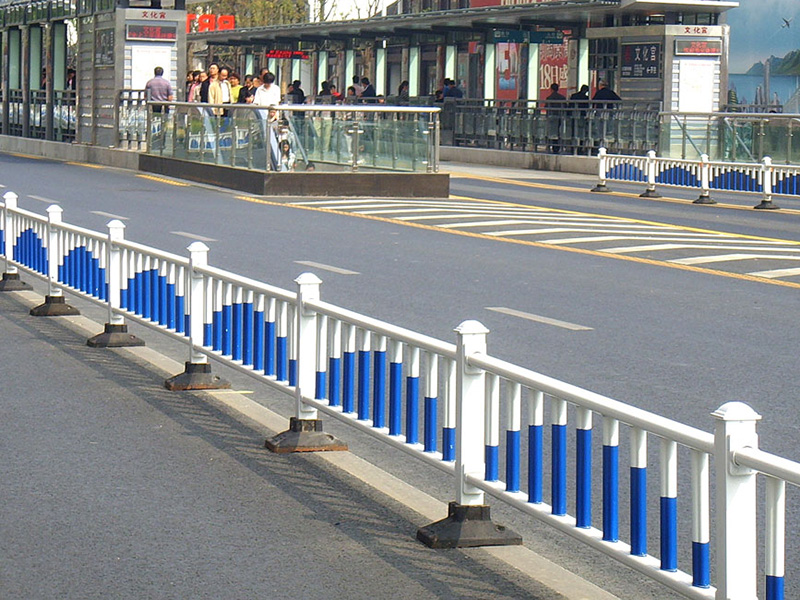
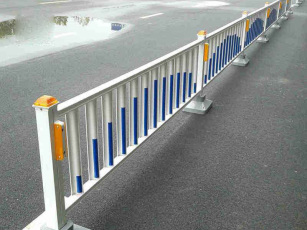
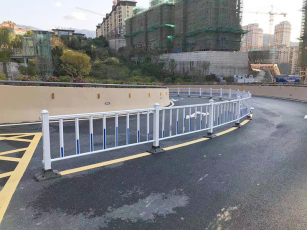
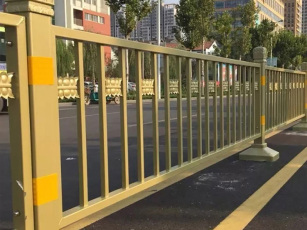
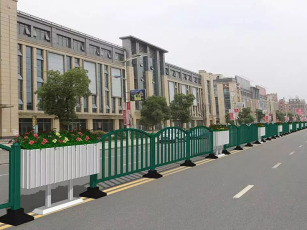
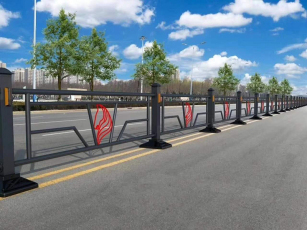
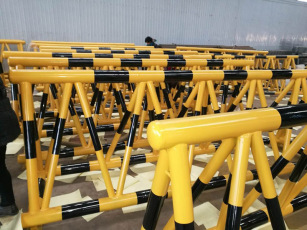
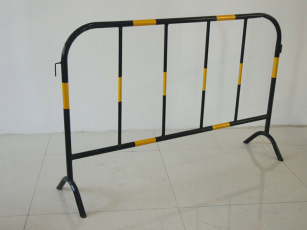
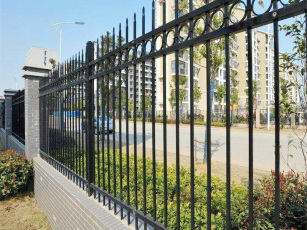
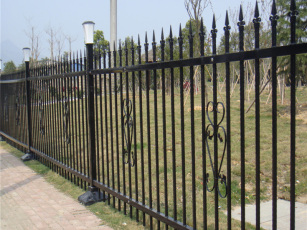
Beijing-style traffic guardrail, also known as inverted U-shaped or N-shaped guardrail, is a mainstream road isolation facility designed in accordance with Beijing municipal standards. It is mainly welded from inverted U-shaped round steel, upright posts and cross supports, and made of galvanized steel pipes with anti-corrosion treatment of hot-dip plastic coating or spray painting. It is widely used nationwide for road central separation, motor-non-motor vehicle separation and pedestrian isolation, featuring simple structure, good visibility, attractive appearance, high stability and durability.
Customer reviews

Sarah · Civil Engineer
As a civil engineer, I appreciate the durability and functionality of these barriers. They effectively channel pedestrian and vehicle traffic while maintaining an attractive appearance. The modular design allows for flexible configurations, making them suitable for various road layouts.
Michael · Urban Traffic Planner
The Beijing-style traffic barriers have significantly improved road safety in our city. Their robust design and high visibility make them ideal for busy intersections. Installation was straightforward, and they've withstood harsh weather conditions without any issues. Highly recommended for municipal projects.
Product Description
Surface Treatment
Galvanization, hot-dip plastic coating, spray painting
Available Standard Sizes
1200×3000mm, 700×3000mm
Supporting Bases
1、Cast iron base: 300×400×180mm / 45kg; 250×350×180mm / 30kg
2、Polymer composite base: 300×400×150mm / 10kg
3、Iron sheet base: 300×400×130mm
4、Custom production is available for other specifications, as well as end sections, tail sections and transitional guardrails.
Application
This guardrail separates motor vehicles, non-motor vehicles and pedestrians on roads to realize separate traffic flow. It effectively improves road traffic safety and traffic order.
Frequently Asked Questions (FAQ)
Q:How does Beijing-style barrier compare to wave beam guardrail?
A:Beijing-style barriers offer 30% higher impact resistance due to vertical column reinforcement, while wave beams provide better deflection for highway collisions. Beijing types are preferred for urban roads with speed limits below 60km/h.
Q:What maintenance does Beijing traffic barrier require?
A:Annual inspection for rust spots, bolt tightness checks every 6 months, and reflective strip replacement every 2-3 years. Hot-dip galvanized models last 10-15 years with minimal upkeep.
Q:Can Beijing barriers be customized for curved roads?
A:Yes, flexible connectors allow 15-30° bending per module. Custom arc designs require CAD drawings and factory prefabrication to maintain structural integrity (minimum radius 5m).











 Post RFQ


 Chat
Chat



 ALL CATEGORIES