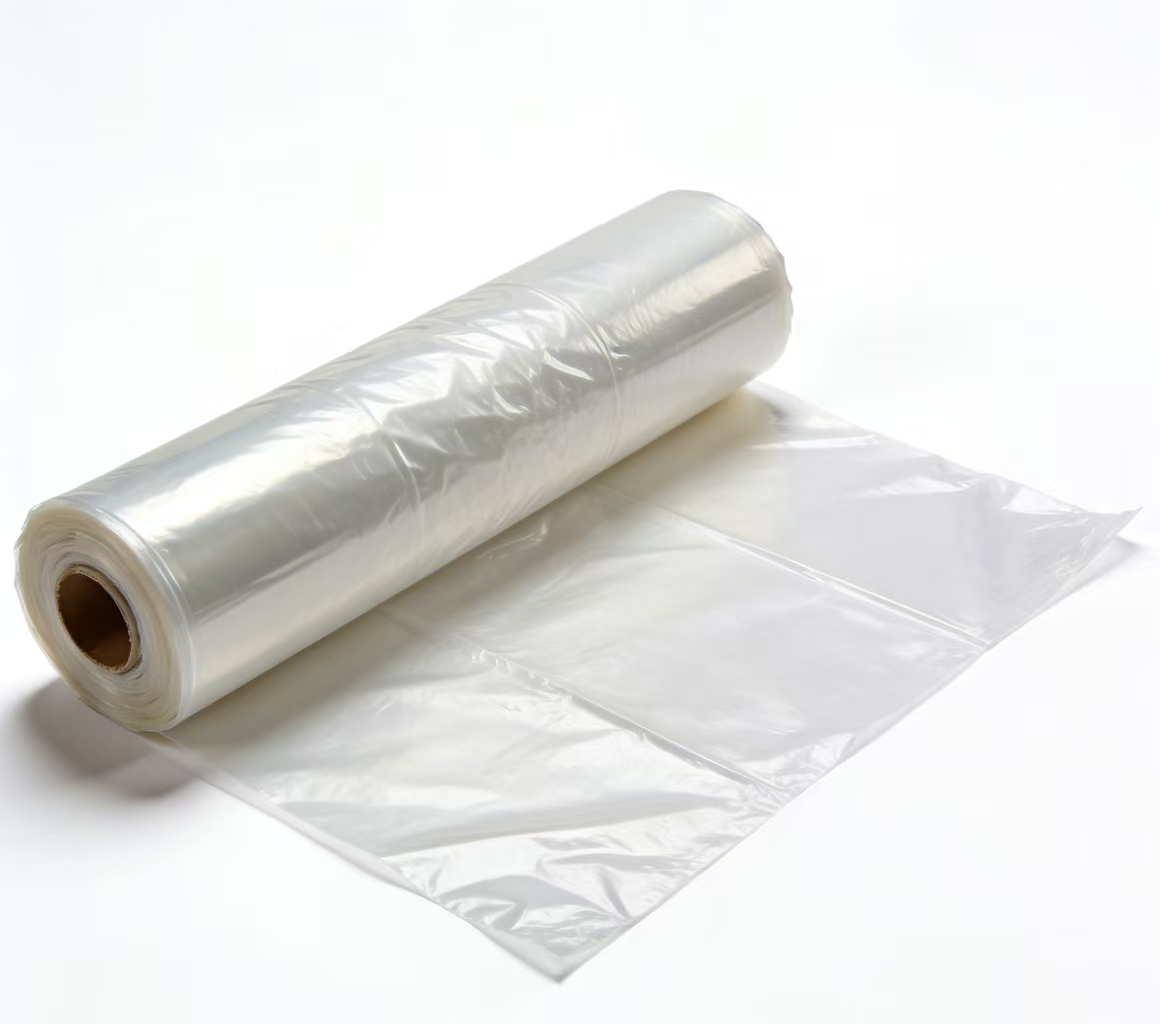
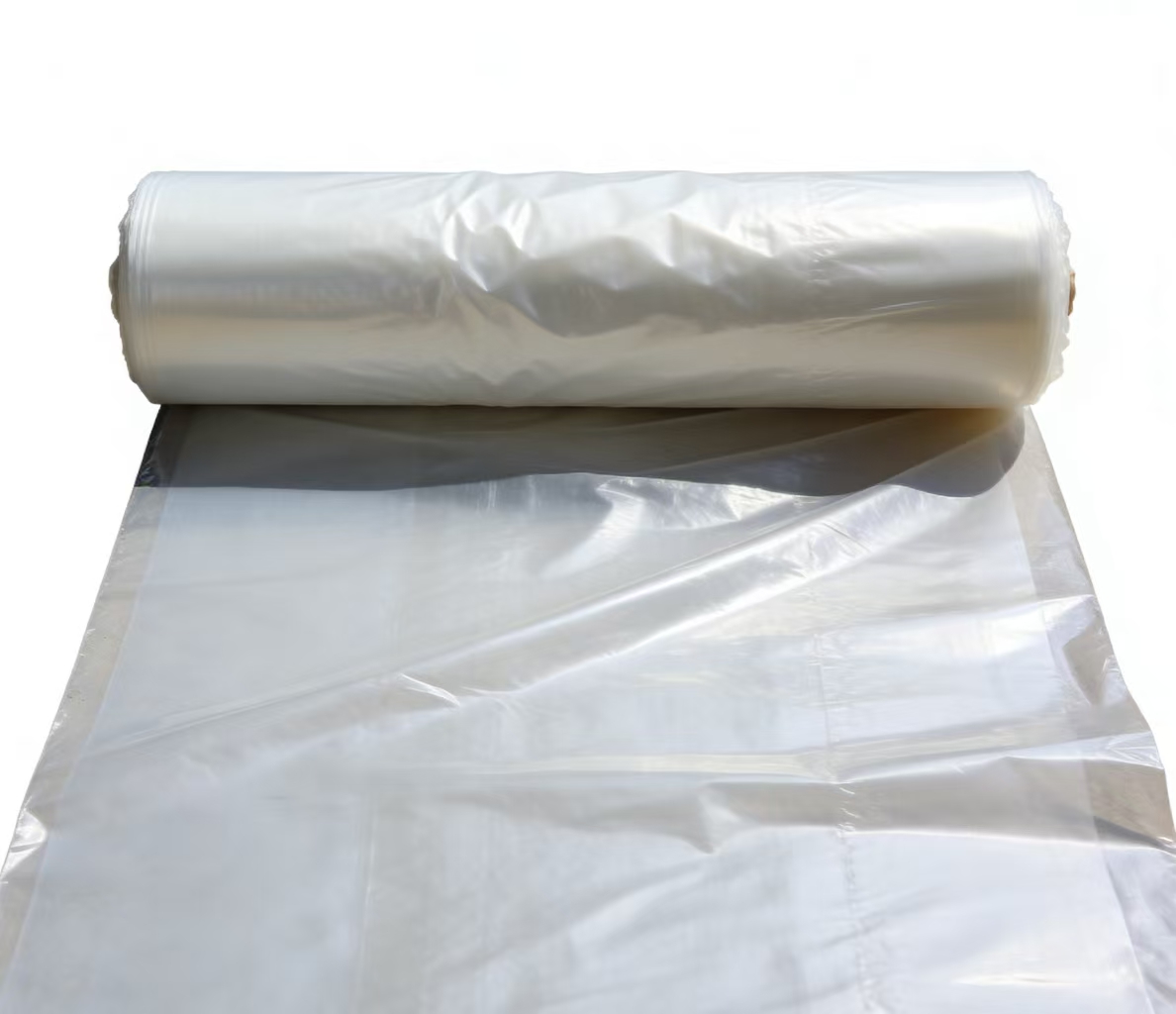


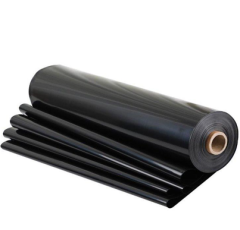
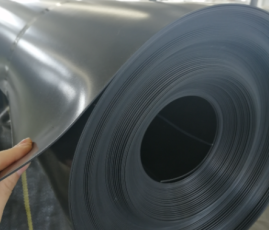
The hallmark of VLDPE geomembrane is its extreme flexibility and very high elongation at break (often exceeding 1000%), allowing it to absorb significant strain without rupture, essentially functioning as a "stretchable" liner. It possesses superior resistance to stress concentration and crack propagation; even sharp objects tend to stretch the material rather than puncture it. It maintains excellent flexibility at very low temperatures (below -60°C). Its chemical resistance is comparable to LLDPE. Drawbacks include lower stiffness, requiring careful handling during installation to avoid over-stretching, and relatively weaker creep resistance.
Density typically ranges from 0.905-0.915 g/cm³. Standard thicknesses range from 0.75mm to 2.0mm. Despite its low density, its tensile strength remains considerable (≥15 MPa), while its yield and break elongation far exceed those of HDPE and LLDPE. Tear resistance (Graves) and puncture resistance (CBR) are critical mechanical performance indicators where it typically excels.
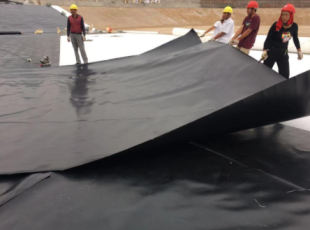
Primarily used in projects with high uncertainty regarding settlement and deformation, such as containment projects on highly compressible soft ground, covers over active fault zones, or mine tailings ponds where significant deformation is anticipated. Serves as secondary containment liners for liquid storage tanks to handle potential leaks. Used in containment structures in seismically active regions and as liners or covers in hazardous waste landfills requiring exceptionally high puncture resistance.








 Post RFQ


 Chat
Chat




 ALL CATEGORIES