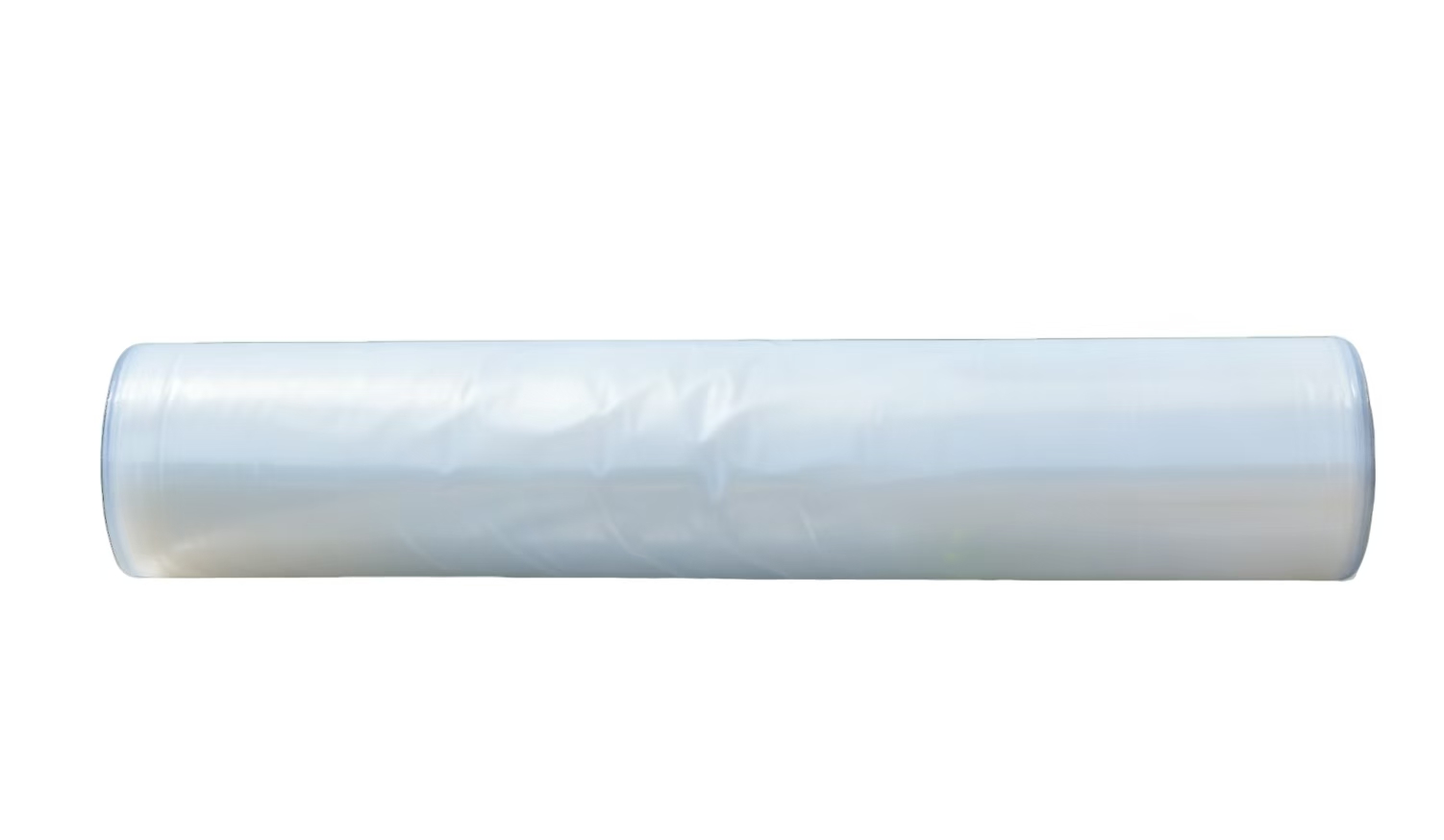
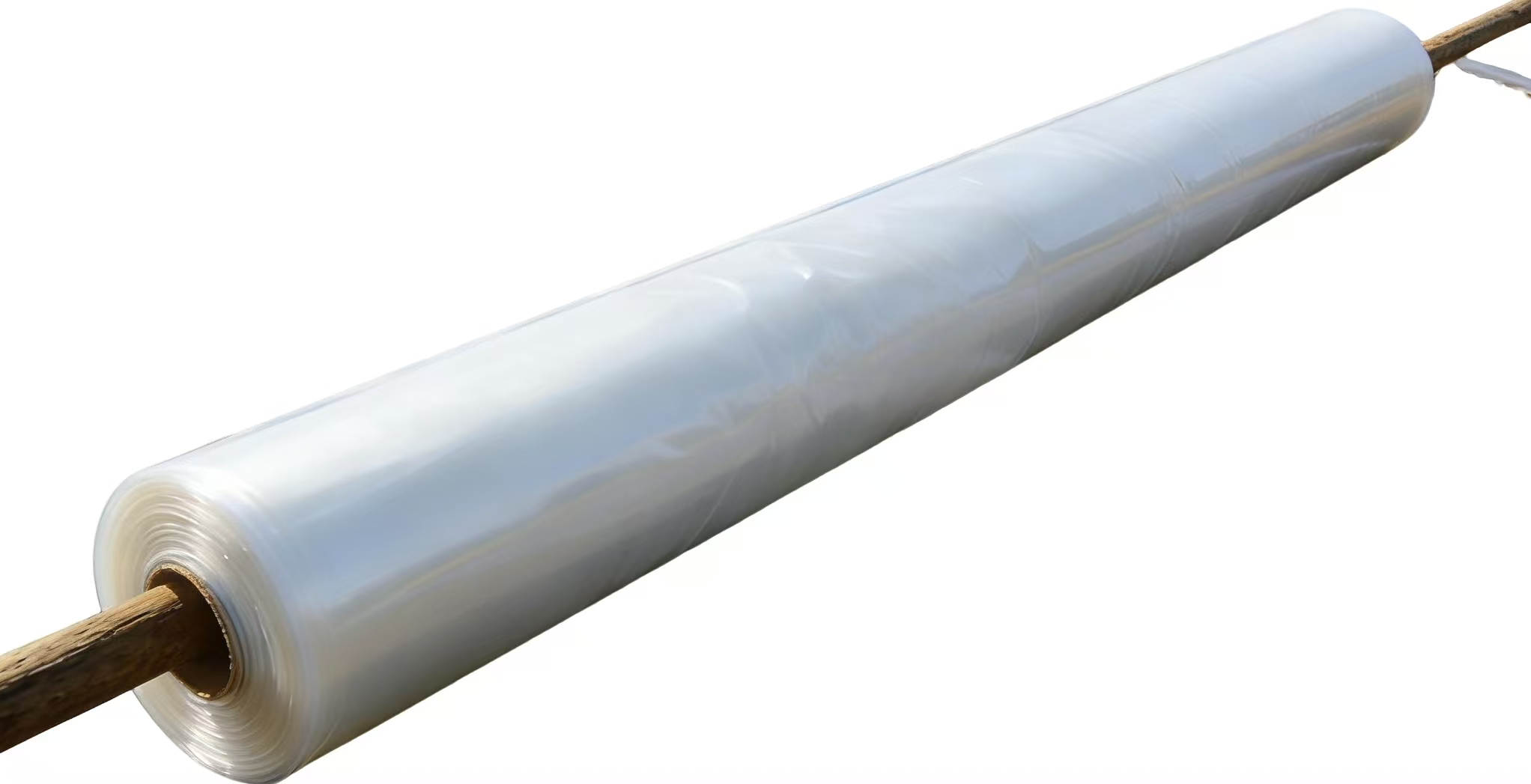


The properties of PVC geomembrane are determined by its formulation. 1) Excellent conformability and adhesion: can tightly conform to uneven substrates and complex structures (e.g., pipe penetrations, corners). 2) Good flexibility and elasticity: accommodates certain structural movements. 3) High seam strength: seams created by hot air welding or specialized adhesives are strong and durable. 4) Root penetration resistance: certain formulations are root-resistant for green roof applications. 5) Resistant to bacterial and microbial corrosion. 6) Good flame retardancy (high oxygen index). 7) Available in various colors for aesthetic, exposed applications. 8) Recyclable material.
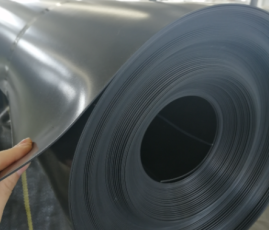
Common widths are 1.5m, 2.0m, with lengths customizable (e.g., 25m/roll). Detailed specs: 1) Thickness tolerance: ±0.05mm to ±0.1mm. 2) Low-temperature bend test: no cracks at -25°C. 3) Dimensional stability (after heat aging): ≤±2%. 4) High hydrostatic pressure resistance. 5) Low volatile content, environmentally friendly. 6) UV resistance depends on the stabilizer system; exposed applications require specially formulated products. 7) Tensile strength and elongation can be adjusted via formulation for specific uses. 8) Chemical resistance: good resistance to weak acids, alkalis, and salt solutions, but limited resistance to some organic solvents. 9) Products often comply with potable water contact standards (e.g., NSF/ANSI 61). 10) Available in various surface textures (smooth, textured).
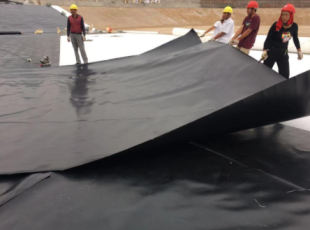
Primarily used where high conformability and detailed work are required: 1) Landscape & water features: liners for artificial lakes, fountain basins, canal lining, waterfront decks. 2) Building waterproofing: root barriers for green roofs, basement waterproofing, and planted roof systems. 3) Tunnel & subway engineering: waterproofing liners inside tunnels, temporary waterproofing for open-cut foundations. 4) Environmental engineering: impermeable liners for wastewater ponds, oxidation ponds, and sedimentation tanks. 5) Agricultural water conservancy: irrigation canals and small storage ponds. 6) Industrial flooring: factory floors requiring impermeability and chemical resistance. 7) Sports facilities: auxiliary liners for swimming pools and water parks. 8) Specialized fields: laboratory containment, floor liners for chemical storage areas.








 Post RFQ


 Chat
Chat




 ALL CATEGORIES