

Product Characteristics:
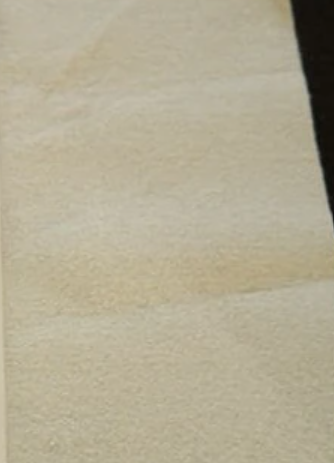
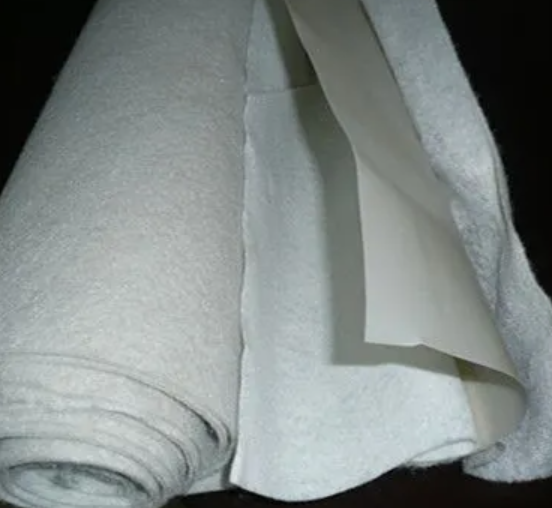
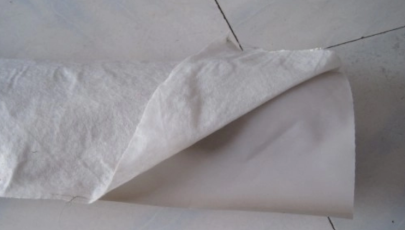
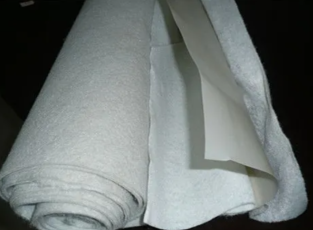
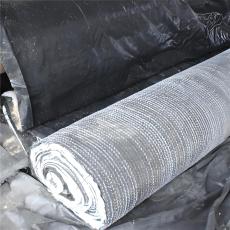
The composite structure offers synergistic advantages. 1) Integrated structure: simplifies construction by installing the impermeable and protection layers simultaneously, saving cost and time. 2) Superior protection: the geotextile effectively protects the underlying geomembrane from puncture by backfill material and installation damage. 3) High interface friction coefficient: the geotextile surface provides a high friction angle with soil or other geosynthetics, enhancing slope stability. 4) Drainage and venting function: the geotextile layer can laterally drain any potential gas or minor seepage under the liner, reducing underliner gas pressure and uplift. 5) Reinforcement: high-strength geotextile shares stress, improving overall tensile strength and deformation capacity. 6) Adapts to differential settlement: the flexible composite structure has good conformance. 7) Stress distribution: reduces the impact of localized stress concentration on the geomembrane. 8) High customizability: combinations of geomembrane and geotextile with different thicknesses and strengths can be selected based on project needs.
Product Specifications:
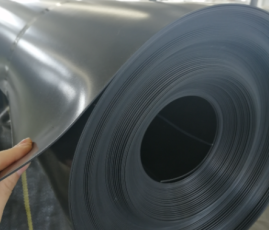
The product is customizable with various specifications. Common parameters: 1) Geomembrane material: HDPE (common), LLDPE, PVC. 2) Geotextile material: Polyester (PET) or Polypropylene (PP) staple or continuous filament nonwoven. 3) Lamination method: thermal bonding (higher strength) or spray-adhesive bonding. 4) Overall mass per unit area. 5) Geotextile grab tensile strength (MD/XD). 6) Geotextile CBR puncture strength. 7) Peel bond strength (indicates lamination integrity). 8) Permeability coefficient: determined by the geomembrane layer, ≤1.0×10⁻¹³ cm/s. 9) Roll width: typically 4-6 meters. 10) Roll length: 30-50 meters.
Product Applications:
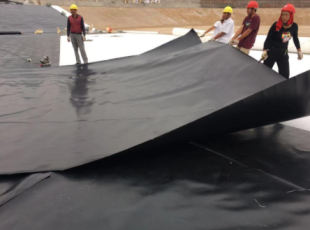
Used in complex engineering projects requiring multifunctional solutions: 1) Landfills: as part of the primary liner system, directly placed over compacted clay or GCL. 2) Mining tailings ponds: base and slope liners, protecting the membrane and facilitating drainage. 3) Water conservancy: river training, reservoir lining, especially on slopes. 4) Highways & railways: impermeable separation layers for subgrades to prevent frost heave and pumping. 5) Tunnel engineering: waterproofing and drainage systems behind tunnel linings. 6) Constructed wetlands: creating an impermeable layer while providing a substrate for plant roots (specific structure). 7) Tank foundations: secondary containment layers with leak detection and drainage capabilities (multi-layer composite structures). 8) Environmental protection: capping and isolation systems for contaminated sites.








 Post RFQ


 Chat
Chat




 ALL CATEGORIES