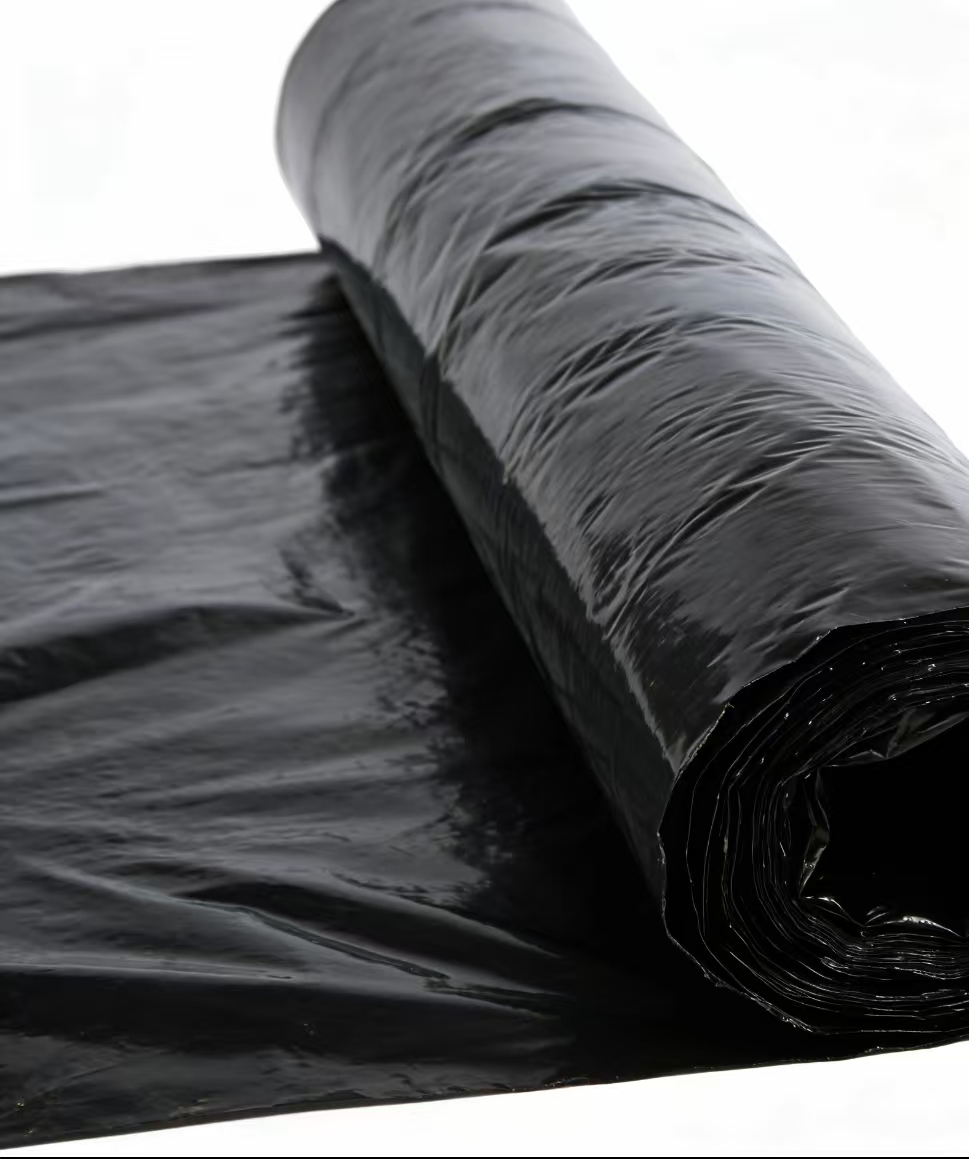
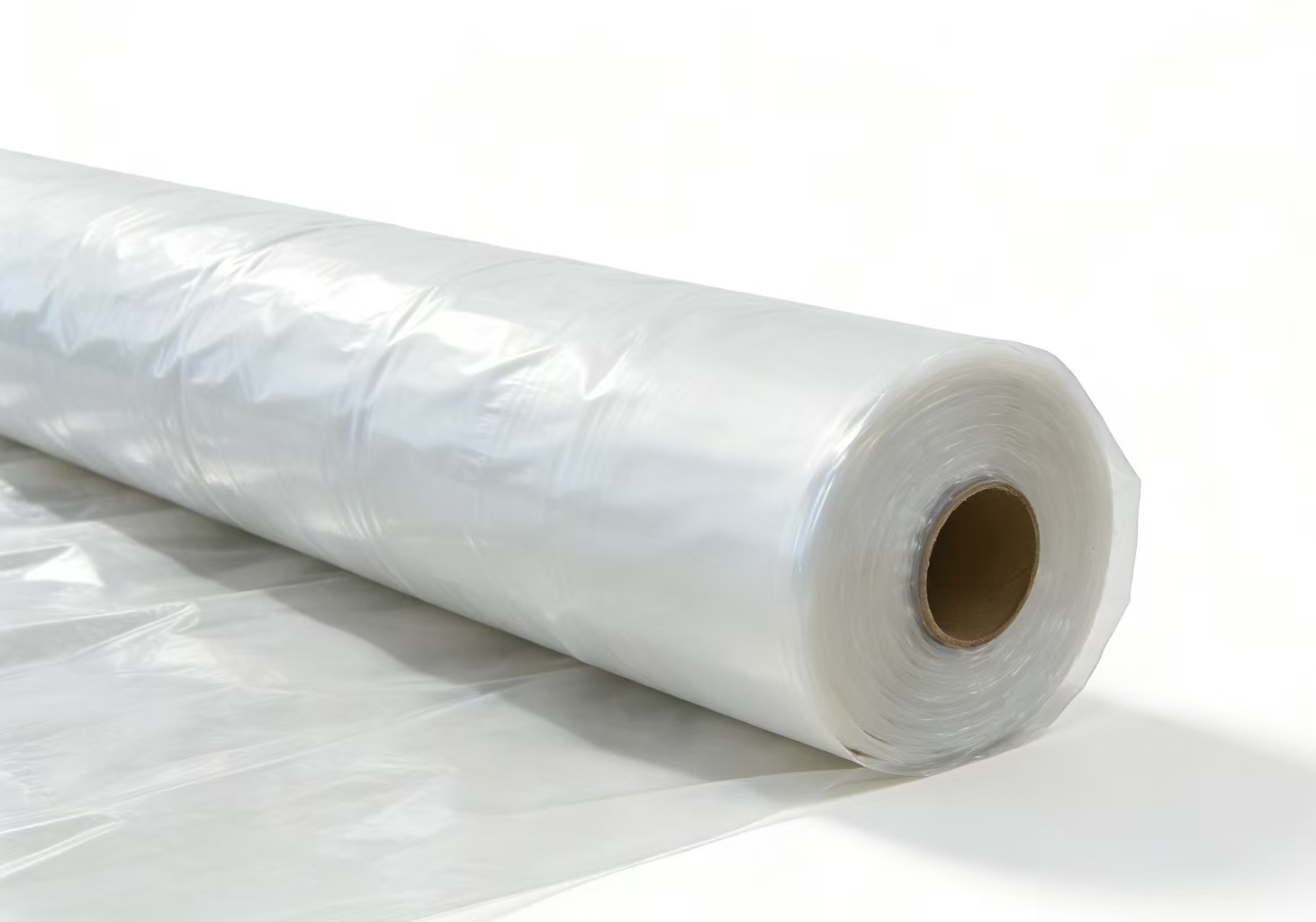


LLDPE's performance is determined by its linear molecular chains with short branches. 1) Outstanding flexibility and extensibility: elongation at break typically exceeds 800%, allowing adaptation to uneven settlement and complex topography. 2) Excellent impact and puncture resistance: particularly suitable for substrates containing sharp particles. 3) Superior Environmental Stress Crack Resistance (ESCR), ensuring long-term stability. 4) Good low-temperature flexibility: remains flexible and resistant to brittleness at temperatures as low as -50°C. 5) Good processability: enables production of uniformly thick, smooth-surfaced sheets. 6) High seam strength: hot wedge welds produce strong, reliable seams. 7) Chemical corrosion resistance: good resistance to most acids, alkalis, and salt solutions. 8) Customizable colors: available in blue and green besides black to meet aesthetic or identification needs.
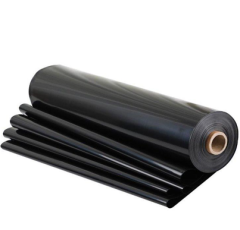
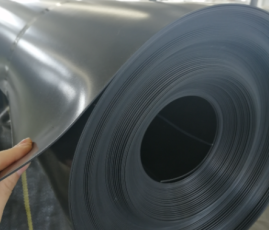
Typical roll widths are 5-7 meters, lengths 50-100 meters. Specific specs include: 1) Thickness tolerance controlled within ±5-8%. 2) Tear Resistance (Trapezoidal): ≥100 N. 3) Puncture Resistance: ≥300 N. 4) Tensile Tear Resistance: ≥120 N/mm. 5) Density around 0.920 g/cm³, balancing flexibility and strength. 6) Carbon black content (for black): typically 2-3%. 7) Oxidative Induction Time (OIT): ≥80 minutes. 8) Permeability Coefficient: ≤1.0×10⁻¹³ cm/s. 9) Dimensional change rate (MD/XD) ≤±2%. 10) Surface can be smooth or single-sided textured.
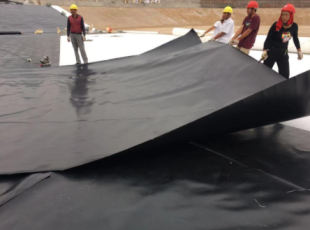
Valued for its high flexibility, it is used in: 1) Agriculture & aquaculture: liners for biogas digesters, anaerobic fermentation tanks, aquaculture wastewater ponds, and breeding ponds. 2) Landfill engineering: secondary liners for landfills or liners for leachate equalization ponds. 3) Water conservancy: impermeable layers for irregularly shaped small reservoirs, canals, and dams. 4) Landscape water features: liners for park lakes, golf course water hazards, and decorative ponds. 5) Underground works: moisture barriers for tunnels, basements, and other underground structures. 6) Temporary containment: temporary sedimentation and holding ponds during construction. 7) Mining engineering: base liners for heap leach pads requiring high flexibility. 8) Salt industry: impermeable separation layers for salt crystallization ponds.








 Post RFQ


 Chat
Chat




 ALL CATEGORIES