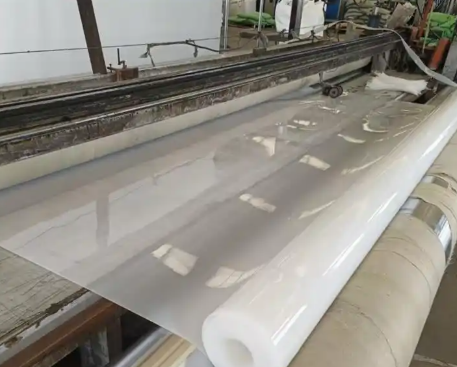


The standout advantage of TPO geomembrane is its exceptional weatherability. It exhibits strong resistance to UV, ozone, and chemical attack. Light-colored (often white) surfaces reflect most solar radiant heat, offering energy savings and high-temperature stability (seam strength remains stable when hot). It is free of plasticizers, eliminating migration/volatilization issues and ensuring good dimensional stability and long service life. The material is environmentally friendly and recyclable. It retains excellent weldability (hot-air welding) for strong, reliable seams. It offers a balanced combination of flexibility and puncture resistance.
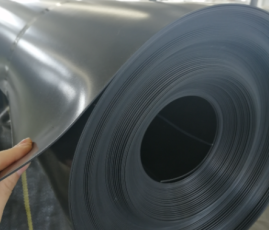
Common thicknesses are 1.0mm, 1.2mm, 1.5mm, and 2.0mm to meet various roof loads and durability needs. Standard widths are 1.0m, 1.5m, 2.0m, and 2.5m; wider custom widths are available to minimize seams. It has high tensile strength (≥800 N/5cm, machine direction) and high elongation at break (≥600%). Products often include internal reinforcement with polyester or fiberglass scrim to enhance dimensional stability and tear resistance.
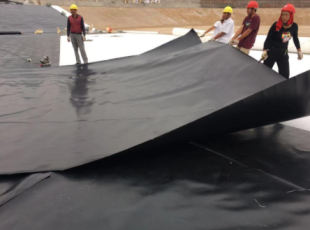
Primarily used in single-ply exposed roofing systems for large industrial and commercial buildings. Used as the waterproofing base layer for building-integrated photovoltaic (BIPV) roofs. Serves as a root-resistant layer in waterproofing for subsurface structures (e.g., green roofs, basements). Also used as landfill final cover membrane, waterproofing for large stadium stands, and some landscape water feature projects with high environmental and durability requirements.


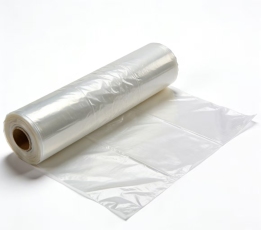






 Post RFQ


 Chat
Chat




 ALL CATEGORIES