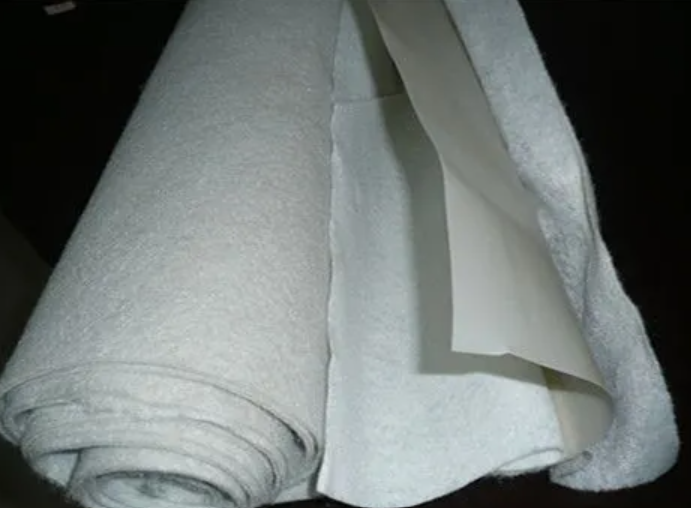
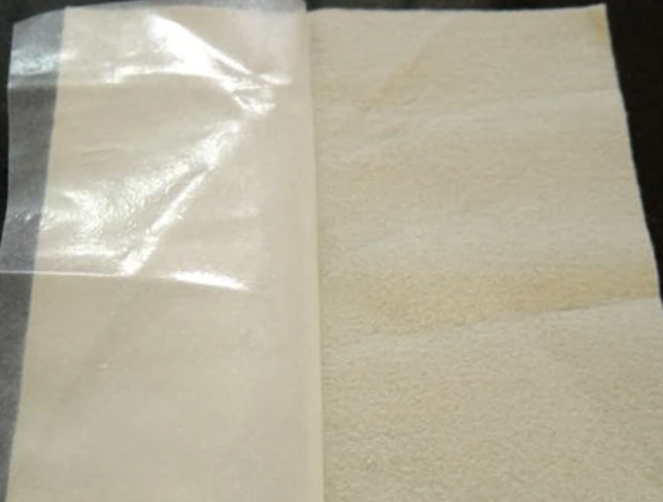


The key feature is the integration of containment and drainage. The geomembrane layer provides an excellent fluid barrier, while the laminated 3D drainage net core rapidly collects and conveys liquids (e.g., leachate, groundwater) or gases (e.g., landfill gas), effectively reducing the pressure on the liner system and enhancing its stability. It simplifies construction by avoiding potential damage or misalignment from separate on-site installation of membrane and drainage layers, ensuring continuity of the drainage path and higher system reliability.
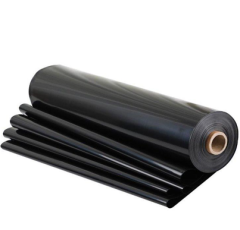
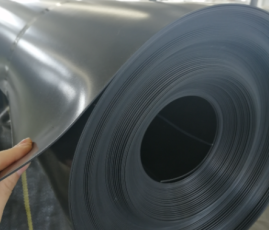
Key parameters include the geomembrane thickness (typically 0.75-2.0mm) and the drainage net thickness (typically 5-8mm) and its transmissivity. The composite product has a significantly greater overall thickness. The transmissivity under specified normal stress must meet design requirements (e.g., ≥1×10⁻³ m²/s). Peel strength is a critical technical index, ensuring the bond between the membrane and net remains intact long-term. Supplied in rolls, typically 2-5 meters wide.
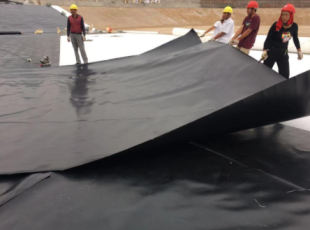
A key component in landfill final cover systems for drainage of precipitation and gas. Used as a combined drainage and waterproofing layer behind the lining of tunnels and underground caverns. Applied in roadway subgrades for subsurface drainage and containment. Serves as an external waterproofing/drainage layer for building foundations and retaining walls. Also used in sub-surface drainage/containment systems for sports fields and golf courses.








 Post RFQ


 Chat
Chat




 ALL CATEGORIES