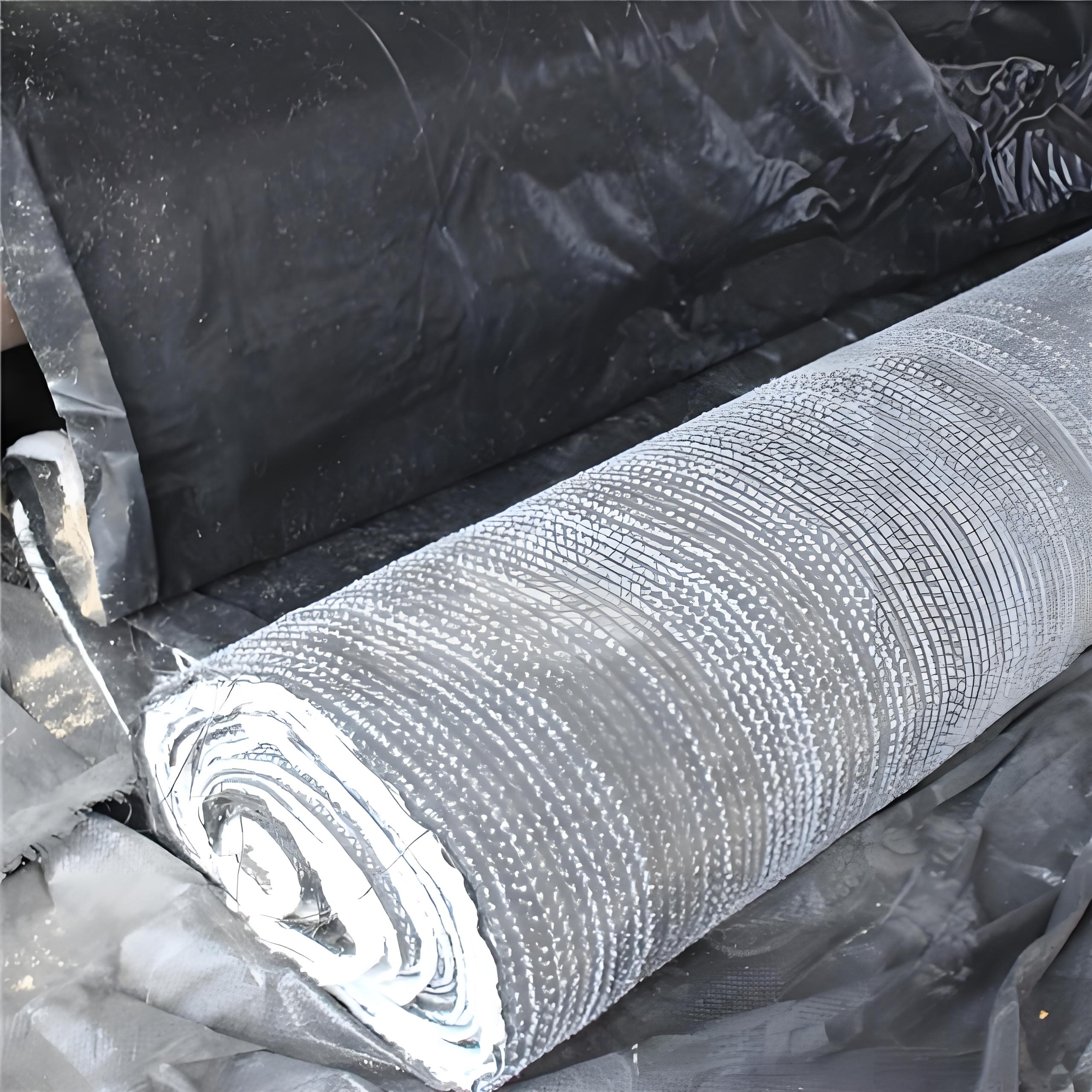
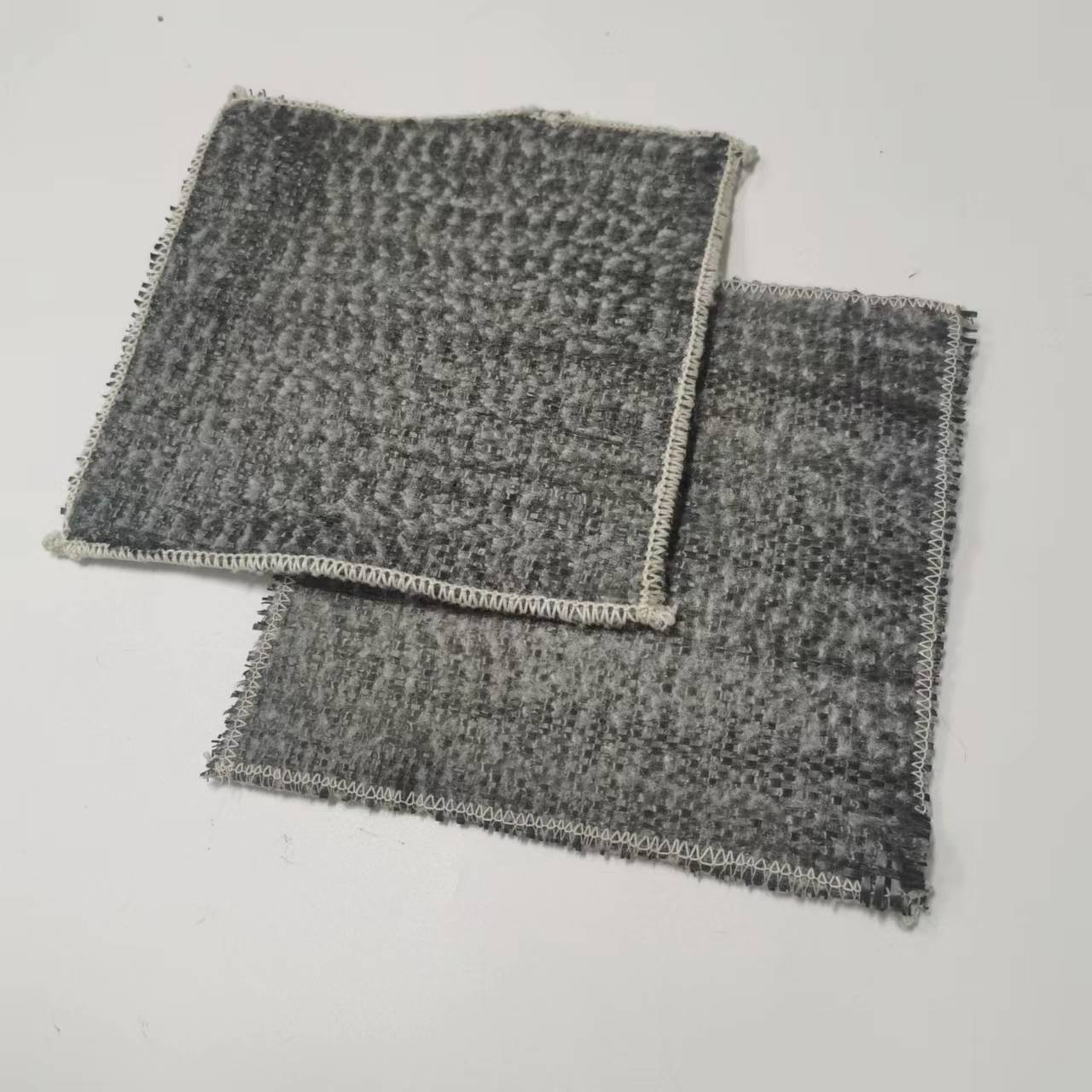


The primary advantage of GCLs is their self-healing capability. If a leak occurs due to puncture or imperfect seam overlap, the bentonite swells to automatically seal the gap. They offer excellent flexibility and deformation compatibility, conforming well to uneven subgrades and resisting differential settlement. Installation is convenient, typically involving dry placement and overlap, with less stringent subgrade smoothness requirements compared to polymeric geomembranes. However, their hydraulic performance depends on sufficient overburden pressure and continuous bentonite hydration, which may degrade under long-term wet-dry cycles or in water with high ion concentrations.
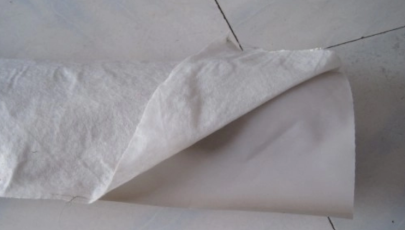
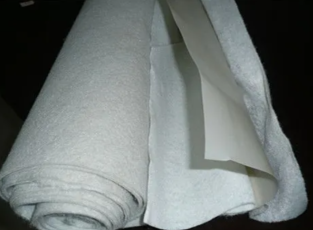
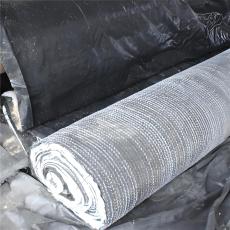
Typically defined by mass per unit area and bentonite content. Standard products have a mass per unit area of ≥4.8 kg/m², with a sodium bentonite content of ≥4.5 kg/m². Needle-punching is the dominant manufacturing method, effectively locking the bentonite in place. The hydraulic conductivity can be as low as 5×10⁻¹¹ m/s when fully hydrated. Standard roll widths are 4-6 meters, with lengths of 30-50 meters. Various structures exist, such as woven/nonwoven geotextile composites, based on the covering layers.
Primarily used as secondary or auxiliary liner systems in landfills and tailings storage facilities, often combined with HDPE geomembranes in composite liners. Widely applied for lining artificial lakes, decorative ponds, and canals. Serves as an external waterproofing layer for subsurface structures (e.g., basements, tunnels). Also used in environmental remediation projects for capping and isolating contaminated soil.








 Post RFQ


 Chat
Chat




 ALL CATEGORIES