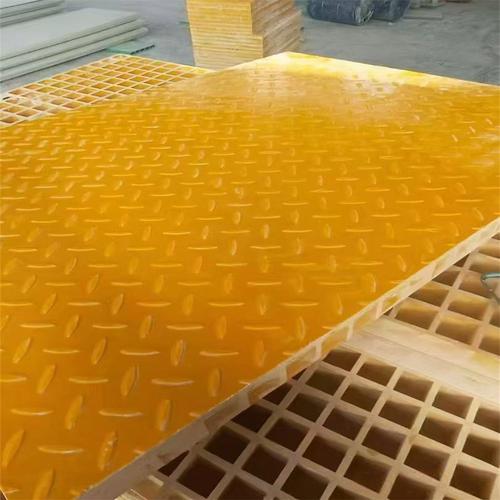
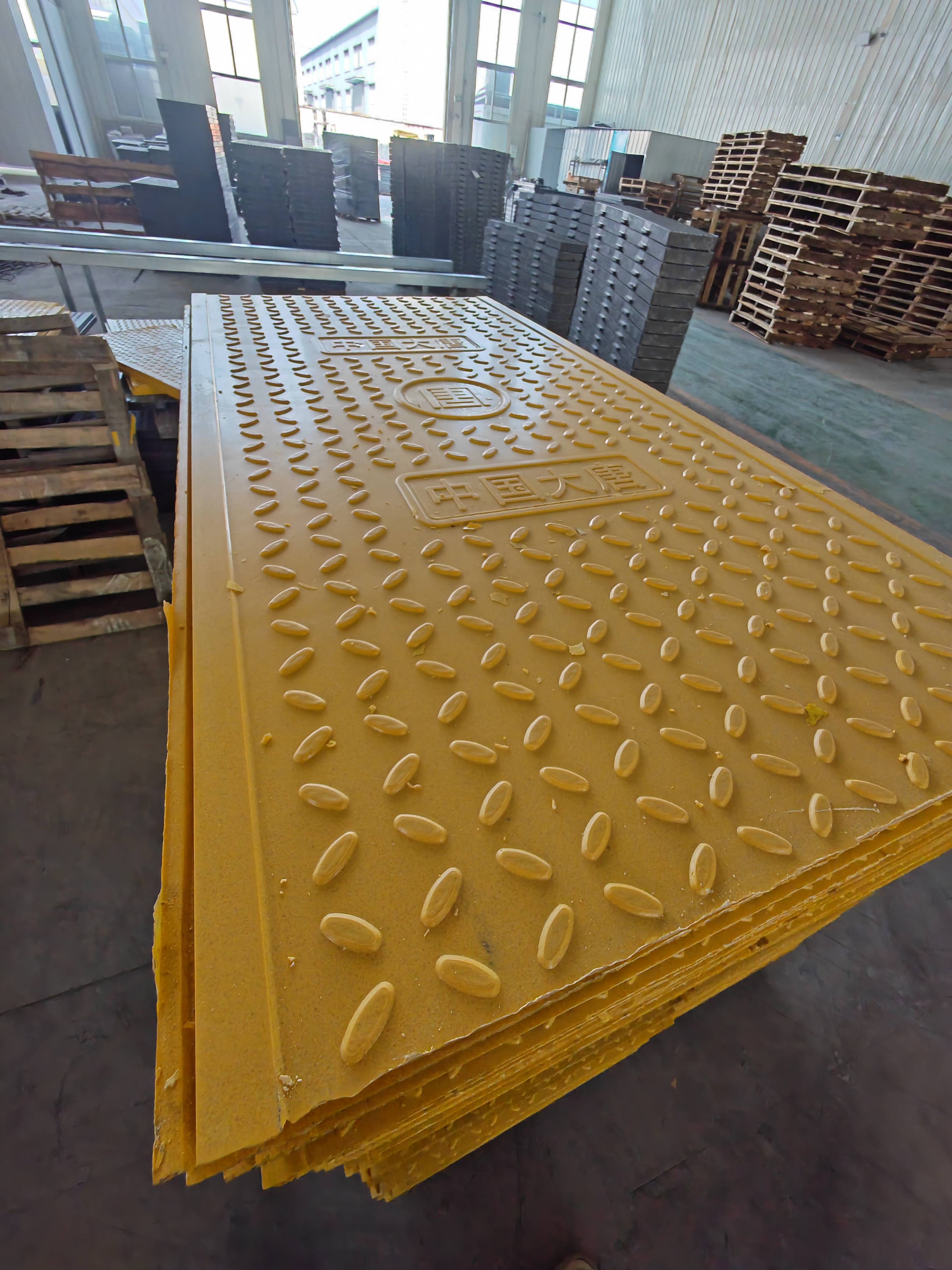


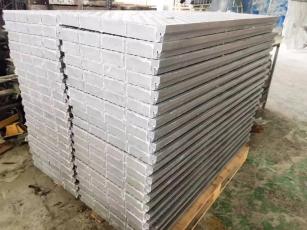
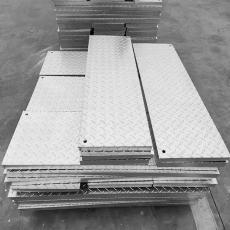
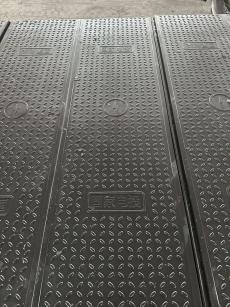
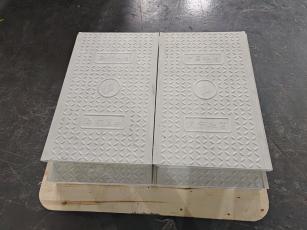
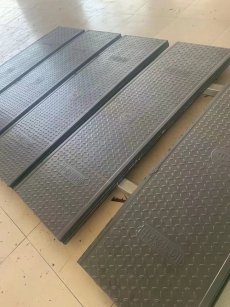
Adopts hot-dip galvanized high-strength alloy steel, which has high bearing capacity and corrosion resistance, and can withstand the rolling of heavy trucks and loading and unloading equipment. Built-in high-precision pressure and weight sensors, with a measurement accuracy of ±1% for weight, which can effectively identify illegal overloading behaviors. Equipped with 5G CAT1 communication module, which has high-speed data transmission speed and low latency, supporting real-time video transmission and remote monitoring. The cloud platform supports big data analysis of vehicle passing conditions, which can provide data support for port traffic management. It is equipped with an explosion-proof junction box, which meets the safety standards of hazardous areas such as port chemical zones, and has a wide range of applicable scenarios.
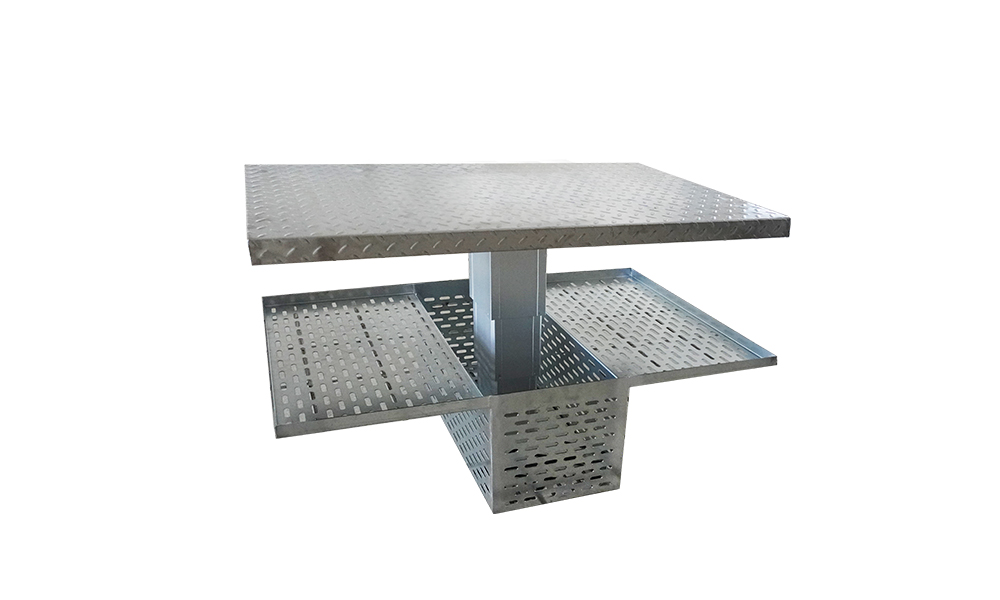
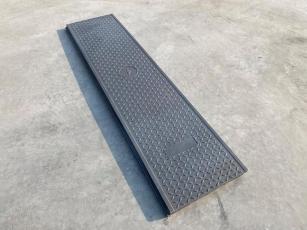
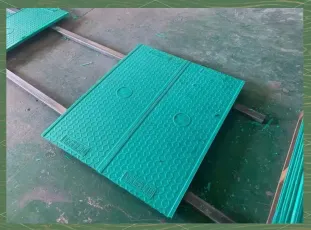
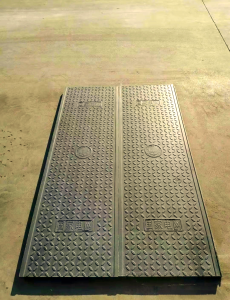
The main body is made of 10mm thick high-strength alloy steel, and the surface is treated with hot-dip galvanizing to prevent rust and corrosion in harsh marine environment. The protection rating is IP69K, which can withstand high-pressure water washing and high-temperature steam cleaning. It is equipped with a weight sensor with a range of 0~10000kg and a pressure sensor with a range of 0~100kPa. The communication mode is 5G CAT1, which supports high-speed data transmission and remote control. The alarm threshold is set as vehicle weight greater than 5000kg and cover displacement greater than 20mm, which can effectively identify abnormal conditions. The installation size is 1200mm×1500mm×120mm, which is suitable for large port cable trenches. The working temperature range is -40℃ to 80℃, which can adapt to the extreme climate of port areas.
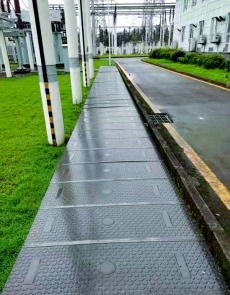
This product is mainly applicable to port terminals, heavy industrial parks, mine cable trenches, logistics park cargo yards and other high-load outdoor scenarios, used to cover the trenches laying high-voltage power cables and communication optical cables. It can not only prevent theft and damage to cables, but also monitor the weight of passing vehicles to avoid underground cables being crushed by heavy vehicles, assist port management personnel in regulating traffic order, reduce the frequency of manual inspection, and provide reliable intelligent protection for the safe operation of port power and communication facilities.








 Post RFQ


 Chat
Chat


 ALL CATEGORIES