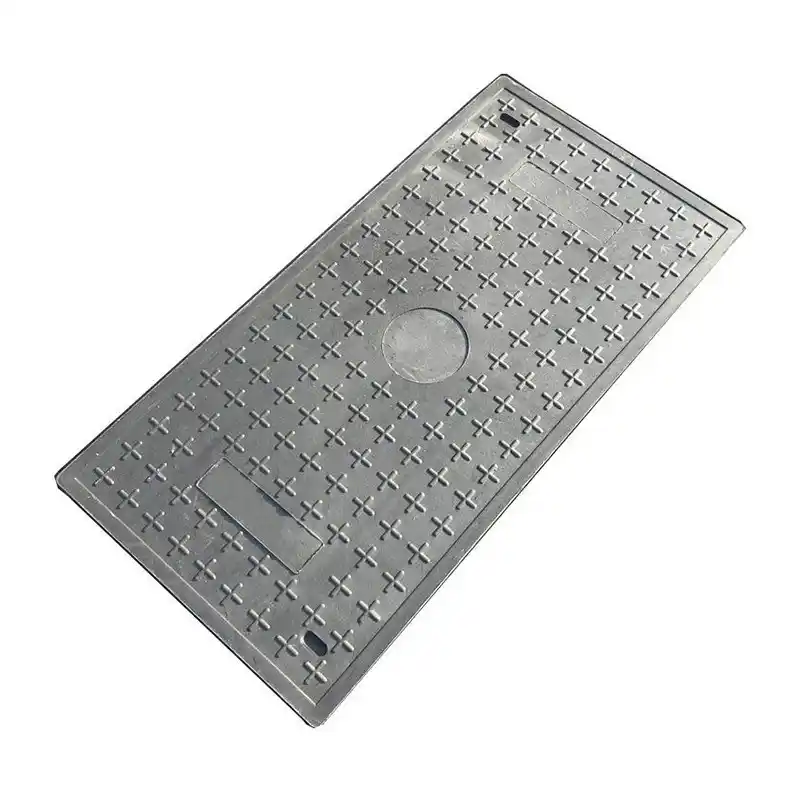
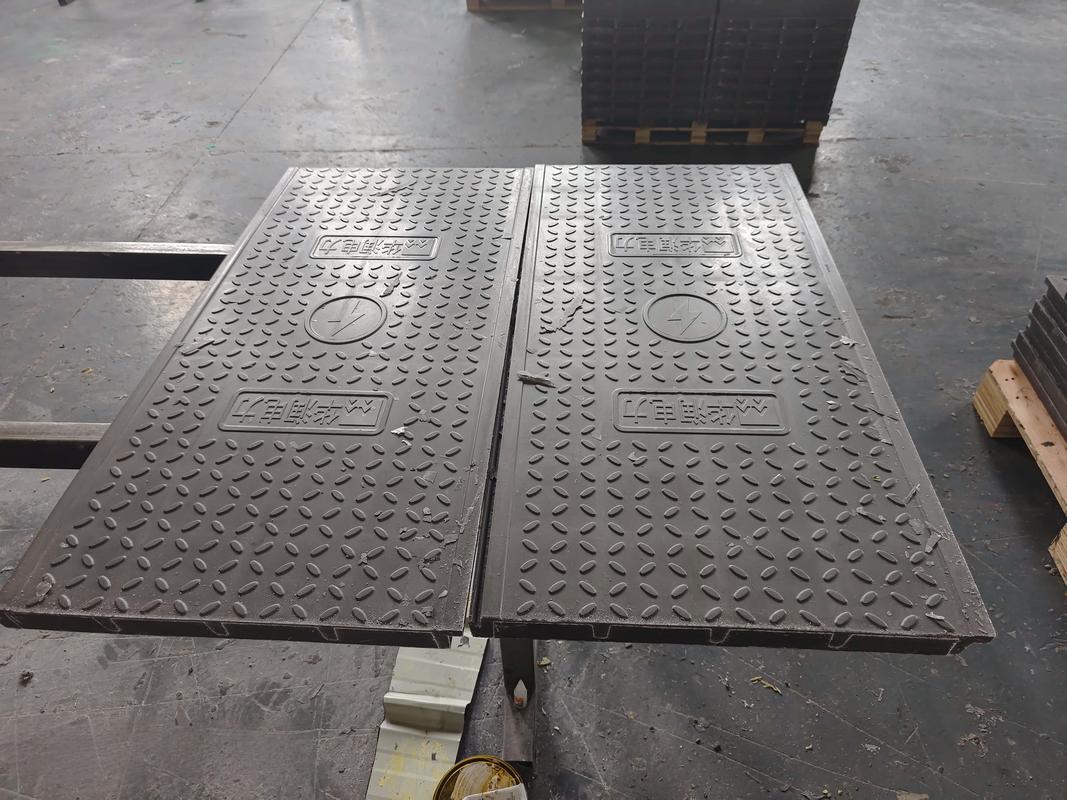


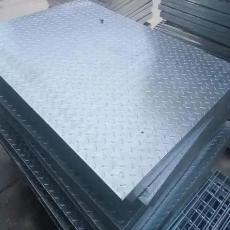
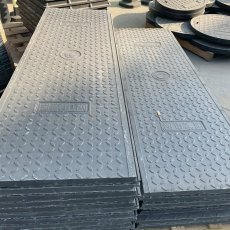
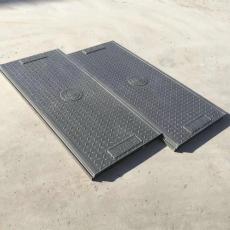
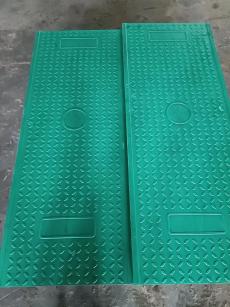

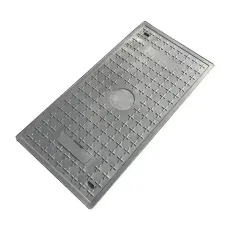
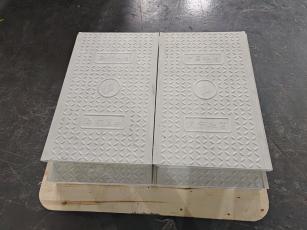
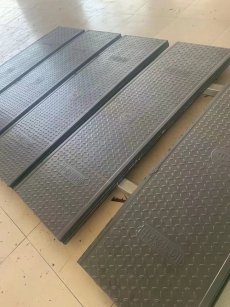
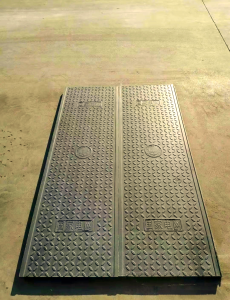
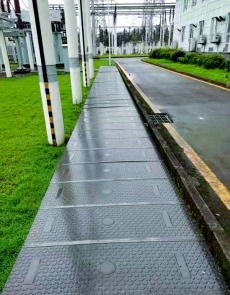
It adopts lightweight aluminum alloy and FRP composite structure, which has both strength and insulation performance. The weight is reduced by 50% compared with traditional cast iron covers, and one person can complete the opening and closing operation. It is equipped with 10W monocrystalline silicon solar panel and 12V/20Ah lithium battery energy storage system. Under sufficient sunlight, it can achieve normal operation for 7 consecutive rainy days without external power supply. It integrates temperature, humidity, water leakage and anti-theft monitoring functions. When the cover is illegally opened, it will automatically trigger an alarm, and upload data to the cloud platform through NB-IoT protocol, without relying on local communication base stations, and can realize stable data transmission in remote areas. The shell is coated with FRP coating, which has anti-ultraviolet and corrosion resistance, and is suitable for extreme outdoor environments.
The single-piece size is 700mm×900mm×110mm, the single-piece weight is about 15kg, the load rating is C250, the ingress protection rating is IP67, the solar panel conversion efficiency is ≥22%, and the lithium battery cycle life is ≥500 times. The temperature and humidity monitoring accuracy is ±0.5℃/±3%RH, the water leakage detection sensitivity is ≤10mm, and the anti-theft monitoring sensitivity is ≥0.5kg external force trigger. It can maintain normal operation for 7 consecutive rainy days, and the operating temperature range covers -30℃ to 65℃. The communication module supports NB-IoT and LoRaWAN protocols, which can adapt to different communication network environments.
It is suitable for scenarios without external power supply such as wild base stations in remote mountain areas, unmanned outdoor pipelines and border control cable trenches, and can be used for laying communication cables and monitoring cables. Operation and maintenance personnel can view the internal environmental status of the trench and the opening and closing status of the cover through the cloud platform without going to the site for inspection, greatly reducing the operation and maintenance costs and safety risks in remote areas. It does not need to rely on external power supply, and adapts to complex outdoor environments.







 Post RFQ


 Chat
Chat


 ALL CATEGORIES