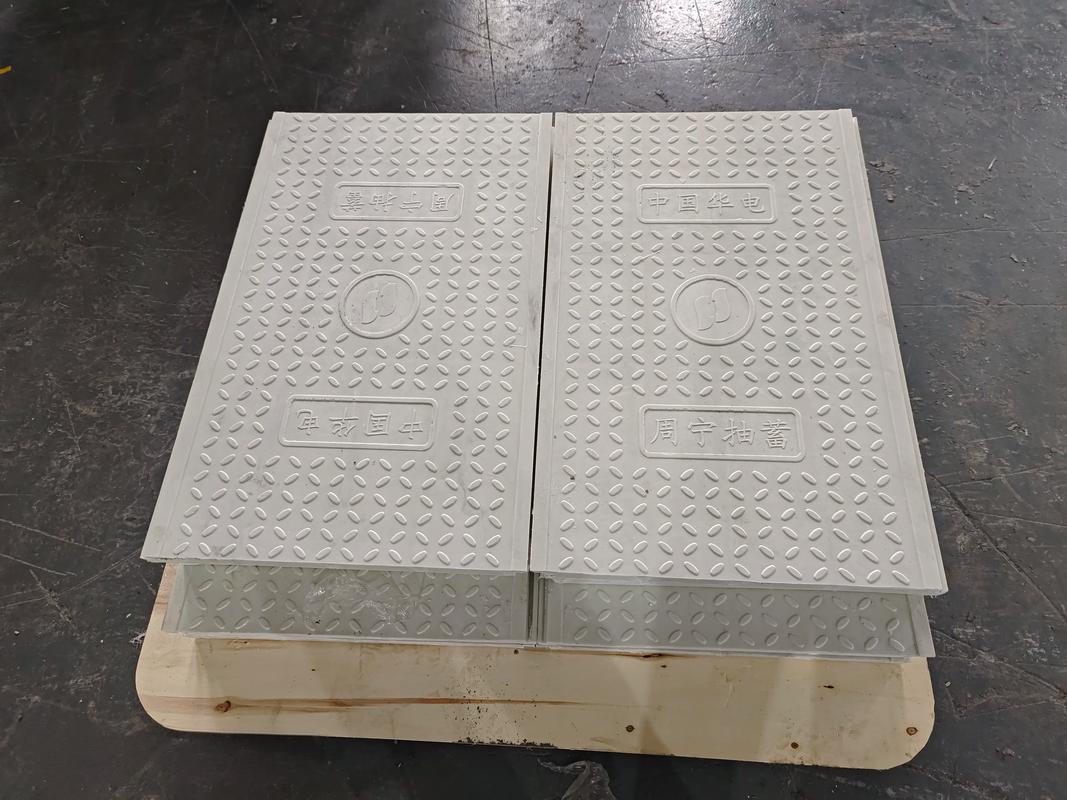
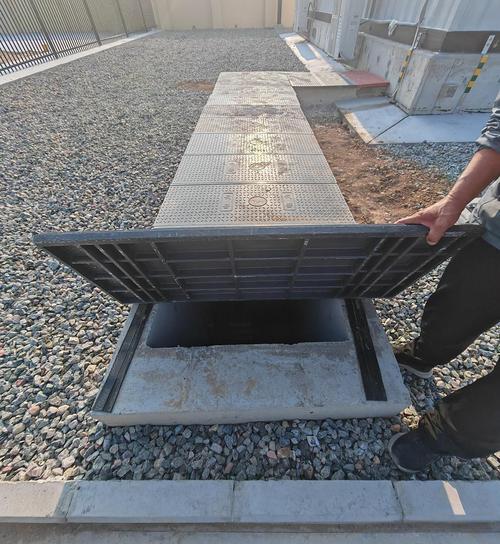


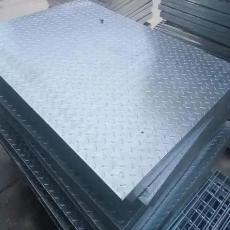
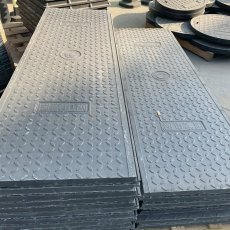
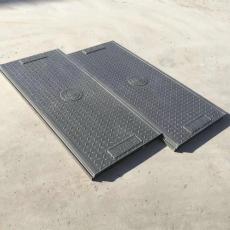
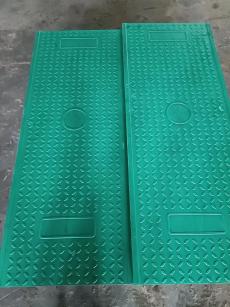

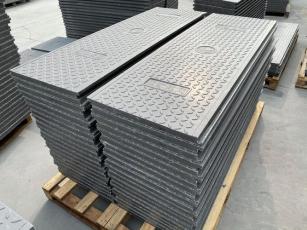
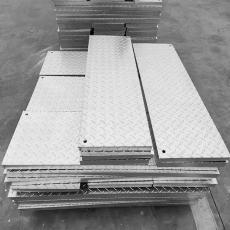
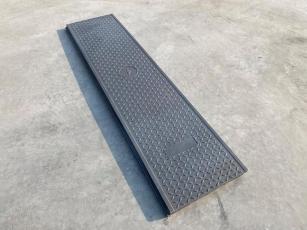
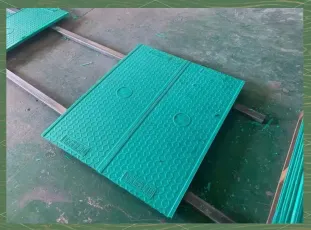
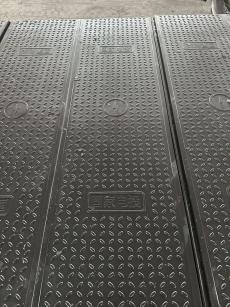
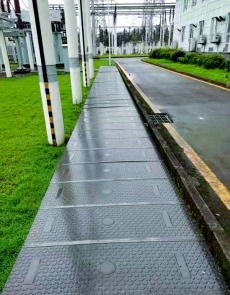
It adopts a composite structure of explosion-proof aluminum alloy and SMC composite material, and passes the Ex d IIB T4 explosion-proof certification, which can be safely used in flammable and explosive environments. It is equipped with intrinsic safety combustible gas sensors, which can detect common combustible gases such as methane and propane, with a detection accuracy of less than 1ppm. It is equipped with temperature, humidity and water immersion sensors to comprehensively monitor the internal environment of the trench. It adopts intrinsic safety power supply design to avoid the risk of electric spark explosion. The two-stage rubber sealing strip can effectively prevent combustible gas and rainwater from invading. It uploads data to the cloud platform through LoRaWAN protocol, and will automatically trigger intrinsic safety audible and visual alarms and remote push when the combustible gas concentration exceeds the standard. It also has anti-static performance to avoid safety hazards caused by static electricity accumulation.
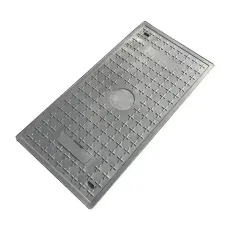
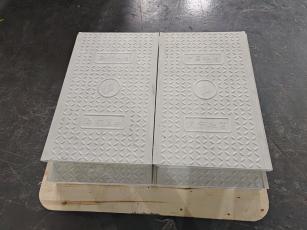
The single-piece size is 600mm×800mm×120mm, the single-piece weight is about 35kg, the load rating is C250, the ingress protection rating is IP68, the explosion-proof grade is Ex d IIB T4, and the surface anti-static resistance is 10^6~10^9Ω. The operating temperature range covers -20℃ to 70℃. It is powered by intrinsic safety DC12V, with a standby power of ≤2W. The combustible gas detection range is 0~100%LEL, the temperature and humidity monitoring accuracy is ±0.4℃/±2%RH, and the water leakage detection sensitivity is ≤5mm. The communication distance can reach 5km in open scenes. The shell is coated with electrostatic spraying coating, which has anti-corrosion and anti-aging properties, and the service life can reach more than 18 years.
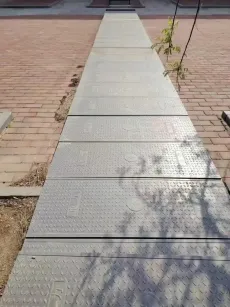
It is suitable for cable trench scenarios in flammable and explosive places such as chemical parks, gas stations, refueling stations and pharmaceutical factories, and can be used for laying power cables and chemical process control cables. Operation and maintenance personnel can view the combustible gas concentration and environmental status in the trench through the cloud platform. When combustible gas leakage occurs, they can receive alarm information in the first time, and take safety measures such as ventilation and evacuation in time to avoid major safety accidents such as explosion and fire.







 Post RFQ


 Chat
Chat


 ALL CATEGORIES