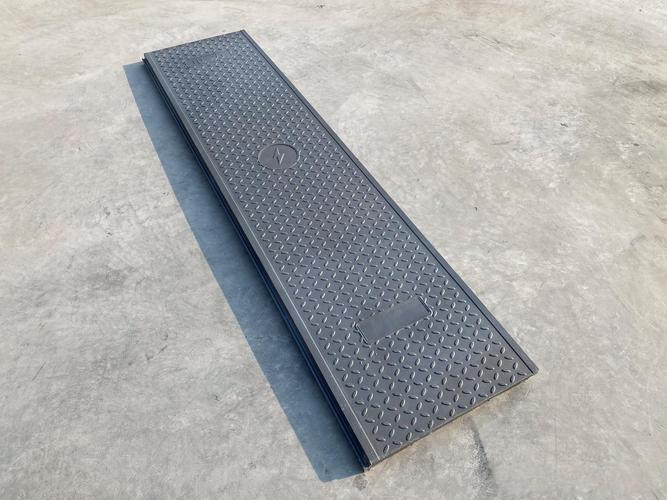
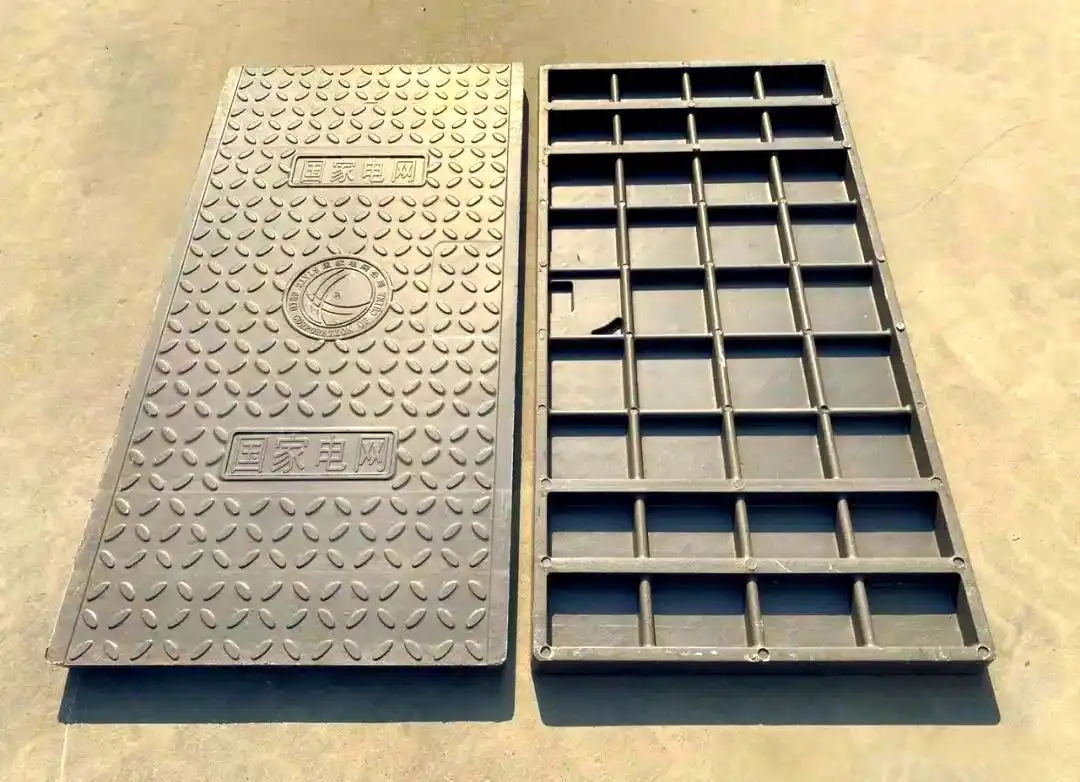



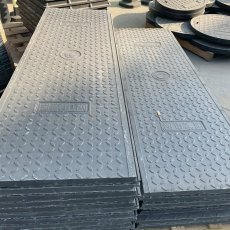
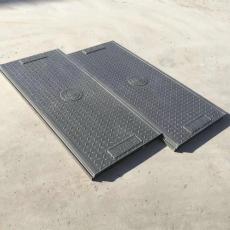
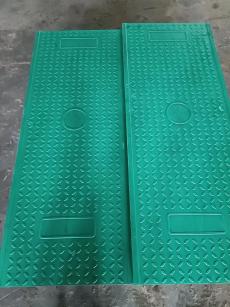

This product has core advantages suitable for subway tunnel scenarios. First, the maximum load-bearing capacity reaches 500kN, meeting the traffic requirements of subway trains passing through the bottom of the tunnel. Second, it has UL94 V-0 flame-retardant grade, which can effectively resist the spread of fire in case of tunnel fire. Third, it integrates high-precision smoke and vibration sensors, which can detect abnormal conditions such as tunnel fire and mechanical vibration in real time, and trigger early warning within 10 seconds. Fourth, it adopts Ethernet + 4G dual communication mode, ensuring stable data transmission even in complex tunnel environments. It effectively solves the problems of difficult patrol, slow emergency response and high safety risks of cable trenches in subway tunnels.
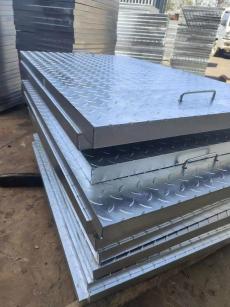
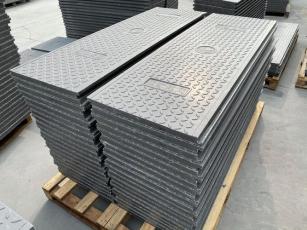
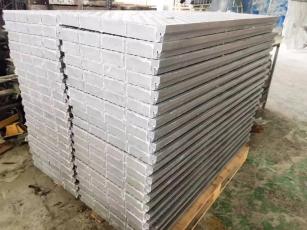
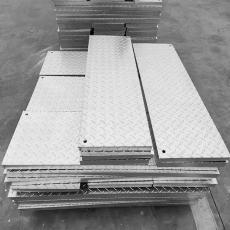
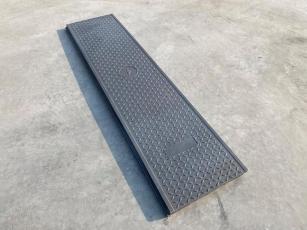
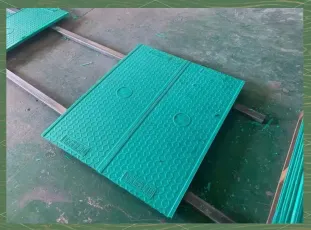
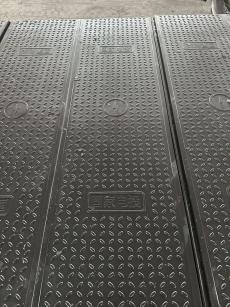
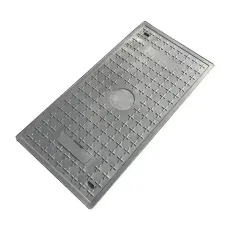
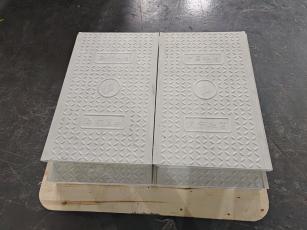
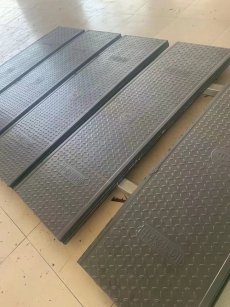
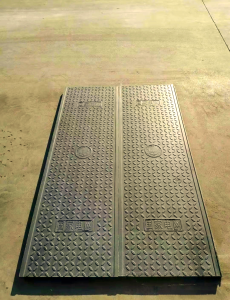
The standard size of this product is 1500mm*600mm*120mm, and custom sizes can be provided according to tunnel requirements. The base material is 8mm thick hot-dip galvanized steel, with a 2mm thick flame-retardant PC surface layer, and the maximum load-bearing capacity is 500kN, meeting EN 1991 traffic standards. Its protection grade reaches IP68, which can resist long-term water immersion in tunnel drainage ditches. The smoke detection sensitivity is ≤0.1dB/m, the vibration detection range is 0-20g, and the cable temperature detection range is -40℃~85℃. It is powered by the tunnel external power supply, with a 20000mAh emergency lithium battery, which can support 72 hours of continuous operation in case of power failure. The Ethernet and 4G dual communication modules ensure stable data transmission in complex tunnel environments.
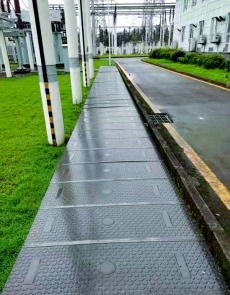
This product is mainly applicable to subway tunnel cable trenches, intercity high-speed rail distribution trenches and underground rail transit power channels. It is suitable for subway operation and maintenance teams, rail transit safety management departments and power supply system operators. It can realize real-time monitoring of cable trench status, automatic early warning of abnormal conditions and unified management of covers, effectively reducing the workload of manual patrols and improving the response speed of emergency handling, and providing reliable safety protection for underground rail transit power facilities.








 Post RFQ


 Chat
Chat


 ALL CATEGORIES