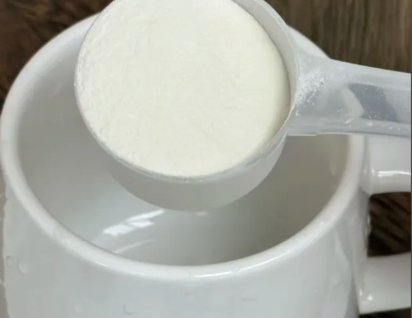
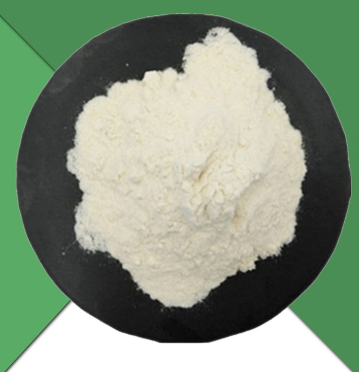


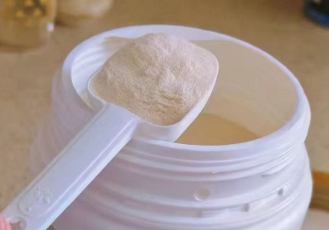
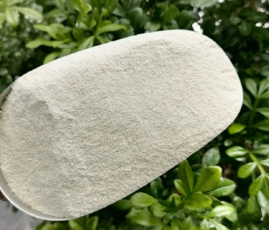
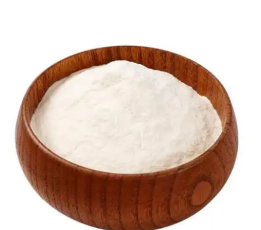
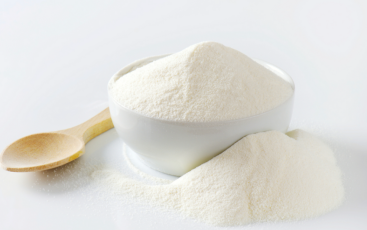

This product uses a customized neutral protease hydrolysis process to accurately control the degree of hydrolysis between 12-18%, ensuring that the product has good solubility without excessive decomposition leading to flavor loss. Compared with unhydrolyzed rice protein, its molecular weight is concentrated below 1000Da, which can be quickly absorbed by the human intestinal tract without additional digestion. The product has been deodorized, with no astringent taste of natural rice, making it suitable for adding to infant complementary foods without affecting food flavor. It has passed GMP certification and EU infant food safety standard certification, meeting the requirements of EU and US FDA infant food raw materials, and does not contain any artificial additives, meeting the clean label market demand, providing a gentle protein supplement solution for people with weak digestive functions.
The technical parameters of this product are as follows: dry basis protein content ≥75%, degree of hydrolysis 12-18%, free amino acid content ≥15%, moisture content ≤5.5%, ash content ≤2.5%, pH value of 10% aqueous solution is 5.5-6.5, solubility ≥95% when stirred for 3 minutes at 25℃, particle size is 100-140 mesh, heavy metal content of Pb, As and Cd are all ≤0.05mg/kg, total bacterial count ≤500cfu/g, coliform bacteria not detected. The standard packaging is 10kg food-grade aluminum foil bag, the shelf life is 18 months, and the storage condition is a low-temperature cool and dry place to avoid high temperature and humidity.
This product is suitable for scenarios such as infant complementary food puree, special medical formula food, post-operative rehabilitation nutritional supplements, elderly protein supplements and fast-absorbing post-exercise drinks. It is especially suitable for food brands targeting people with weak digestive functions, such as maternal and infant brand high-protein complementary foods, medical nutrition supplements in hospital channels, and nutritional meal ingredients in elderly rehabilitation centers, solving the industry pain point that macromolecular proteins are difficult to digest and absorb.








 Post RFQ


 Chat
Chat


 ALL CATEGORIES