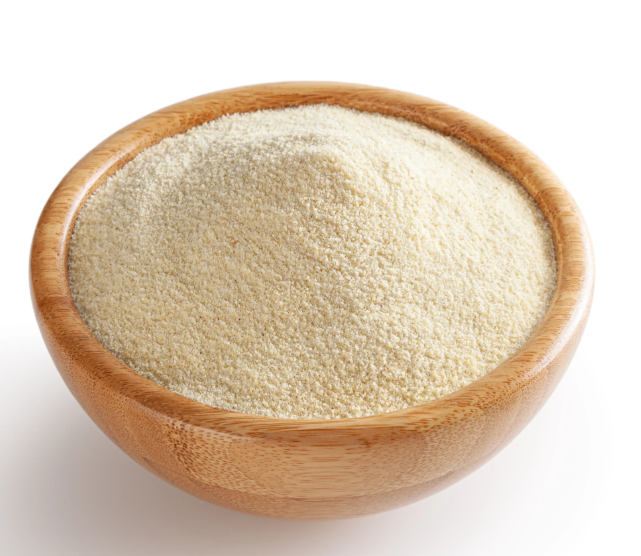
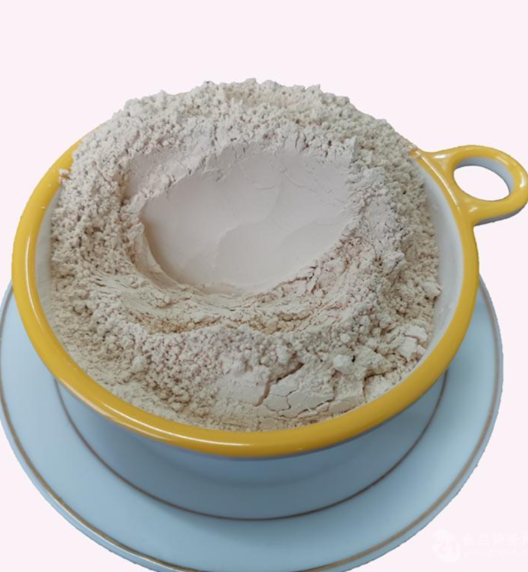


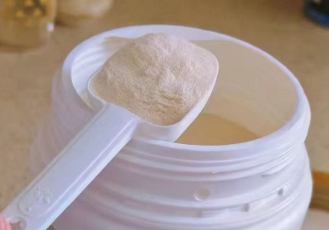
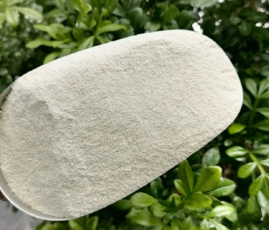
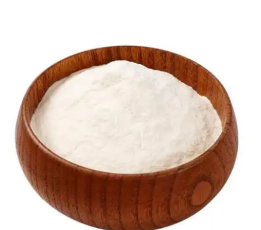
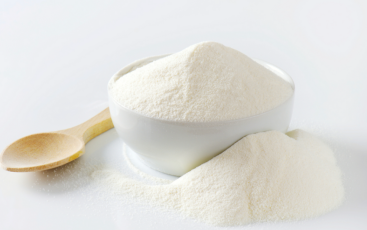
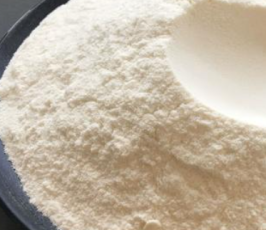

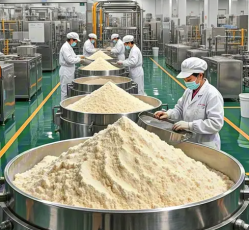
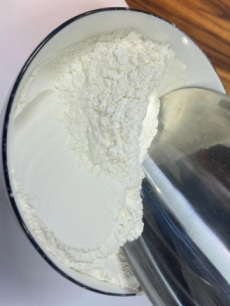
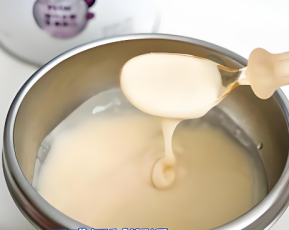
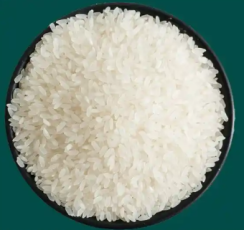
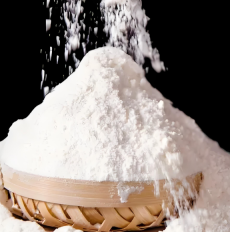
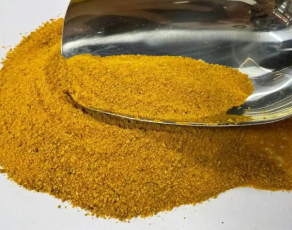
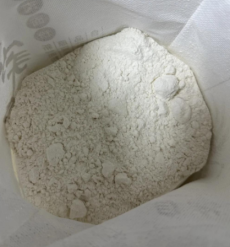
This product adopts non-genetically modified Wuchang rice as the core raw material, avoiding the safety concerns of genetically modified ingredients. It uses low-temperature cold pressing and membrane separation extraction processes to retain the natural nutritional structure of rice protein to the greatest extent. Unlike soy protein, it does not contain allergenic soy protein components, meeting the gluten-free standard. It adopts micronized treatment with uniform particle size, which can be quickly dissolved in cold water without agglomeration or strange taste, suitable for various food processing scenarios. Whether used in protein powder blending, baked food addition or liquid beverage preparation. It has passed multiple certifications such as ISO22000, Halal and Kosher, meeting the compliance requirements of different global markets. It can quickly supplement high-quality plant protein for sports enthusiasts, provide full-spectrum amino acid nutrition for vegetarians, and solve the pain points of traditional plant proteins such as allergenicity and poor taste.
The technical parameters of this product are as follows: dry basis protein content ≥80%, moisture content ≤6.0%, ash content ≤3.0%, crude fat content ≤1.0%, pH value of 10% aqueous solution is 6.0-7.5, solubility ≥90% when stirred for 5 minutes at 25℃, particle size is 80-120 mesh, heavy metal content calculated as Pb ≤0.1mg/kg, total bacterial count ≤1000cfu/g, coliform bacteria not detected. The standard packaging is 25kg food-grade PE bag, the shelf life is 24 months, and the storage condition is a cool and dry place away from direct sunlight to maintain product quality stability.
This product is suitable for scenarios such as sports nutrition supplements, meal replacement powders, infant complementary foods, baked goods, plant-based milk drinks and vegetarian meat products. It is especially suitable for food brands that focus on clean labels, gluten-free and hypoallergenic properties. It can be used as a core protein raw material to improve the nutritional density of products, meeting the protein supplement needs of different consumer groups. For example, it can be used as a substitute for whey protein in sports supplements for fitness enthusiasts, as a daily nutritional supplement for vegetarians, and as a raw material for high-protein bread and biscuits in bakeries, helping food brands meet the diversified nutritional needs of consumers.








 Post RFQ


 Chat
Chat


 ALL CATEGORIES