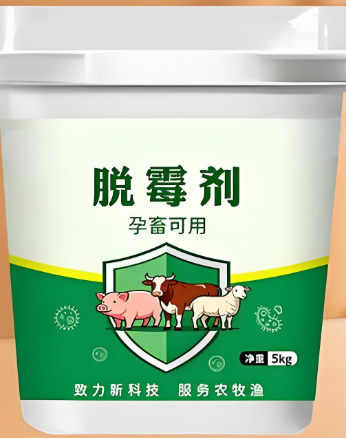
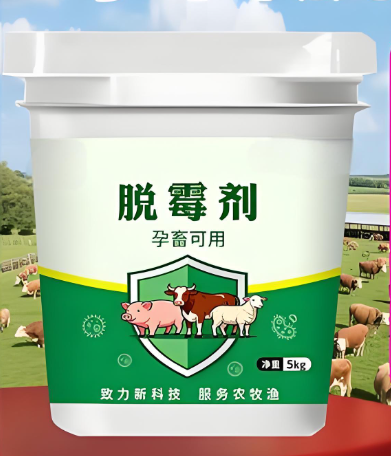


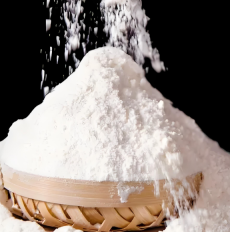
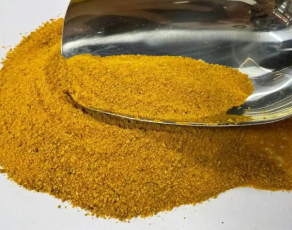
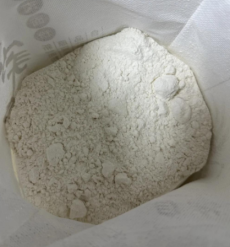
The core advantages of this product include its composite dual-effect toxin removal mechanism, which combines physical adsorption and biological degradation to achieve efficient mycotoxin removal. It has good pH adaptability, suitable for various aquaculture water quality environments, and will not affect the pH value of aquaculture water. It contains beneficial bacteria such as Bacillus subtilis, which can improve the intestinal microecology of aquatic animals and enhance their immunity. It has no chemical residues, will not pollute the aquaculture water environment, and meets the national aquaculture product safety standards. The product has good fluidity, making it easy to mix with aquaculture feed and throw into aquaculture water.
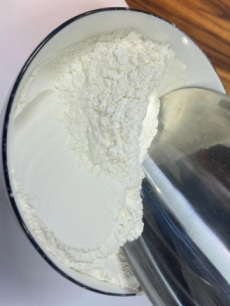
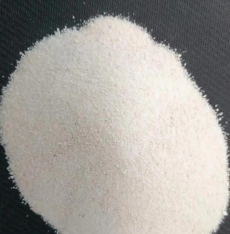
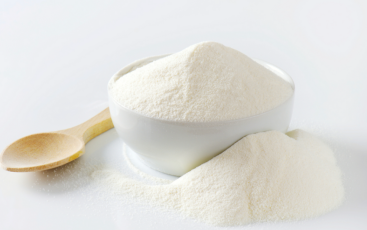
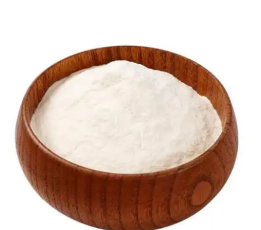
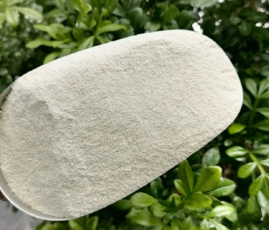
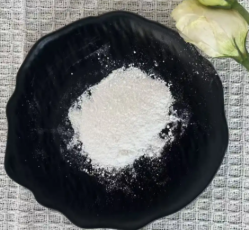
The detailed specifications of this product are as follows: the main component is montmorillonite and Bacillus subtilis, with a waterborne mycotoxin adsorption rate of not less than 90%. The pH adaptability is between 6.0 and 9.0, moisture content is not more than 12%, particle size is 0.050-0.075 millimeters, and heavy metal content conforms to national aquaculture product safety standards. It is suitable for shrimp, fish, crabs, turtles and other common aquatic animals. It should be stored in a cool and dry place, away from direct sunlight and high temperature. The shelf life is 18 months, and the packaging is 20kg per bag, with an outer plastic woven bag and inner moisture-proof plastic film. The recommended dosage is 0.2-0.4% of the total weight of the feed or 100g per cubic meter of aquaculture water.
This product is mainly applicable to various aquaculture scenarios such as shrimp farms, fish ponds, crab breeding bases, turtle breeding farms and recirculating aquaculture systems. It can be used in two ways: one is to mix it with aquaculture feed to remove mycotoxins in the feed, and the other is to throw it directly into aquaculture water to remove mycotoxins in the water. During use, it can effectively reduce the content of mycotoxins in feed and water, improve the water quality environment of aquaculture, enhance the immunity of aquatic animals, reduce the incidence of aquatic animal diseases, improve the feed conversion rate, and increase the yield and quality of aquatic products. It is especially suitable for high-density aquaculture scenarios where mycotoxin contamination is prone to occur.







 Post RFQ


 Chat
Chat


 ALL CATEGORIES