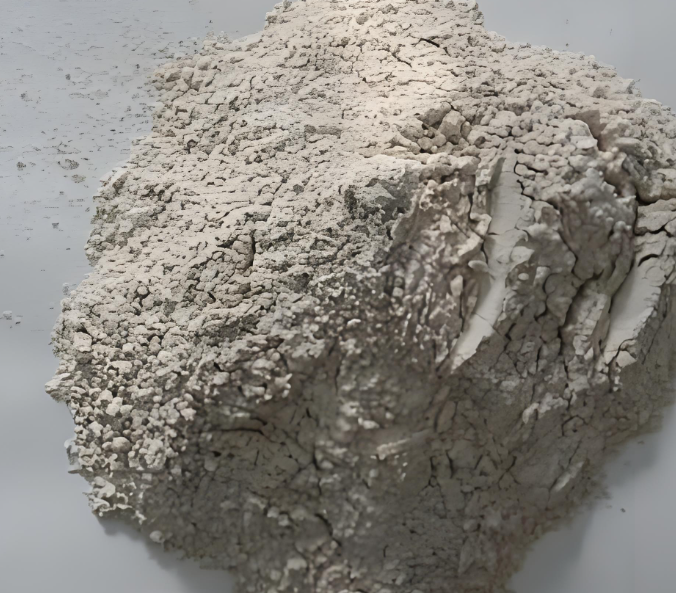
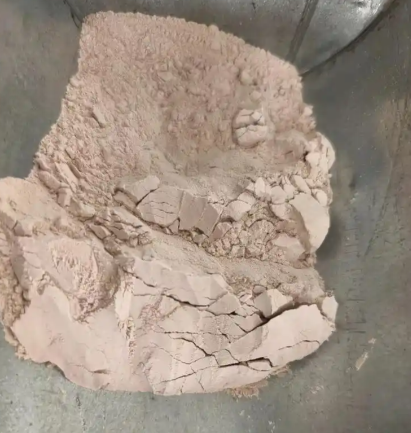


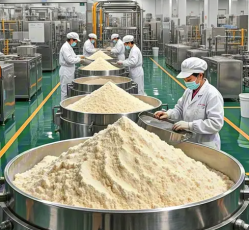
The core advantages of this product include its high-efficiency toxin adsorption performance, with a 95%+ adsorption rate for common mycotoxins, which is achieved through the refined layered pore structure of high-purity montmorillonite. It will not bind essential nutrients in feed, ensuring that livestock and poultry can obtain sufficient nutrition while removing toxins. It meets strict national and international heavy metal limitation standards, avoiding secondary pollution caused by the product itself. The product has moderate pH value, will not damage the nutritional structure of feed, and has good fluidity, making it easy to uniformly mix with various feed raw materials. It has a long shelf life of 24 months under proper storage conditions, and the sealed packaging prevents moisture absorption during transportation and storage, ensuring stable performance throughout the shelf life.
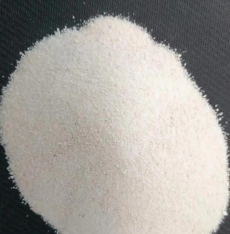
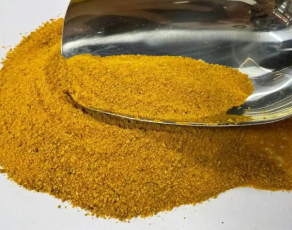
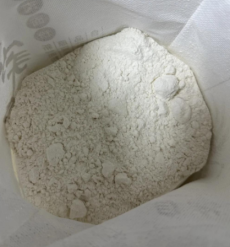
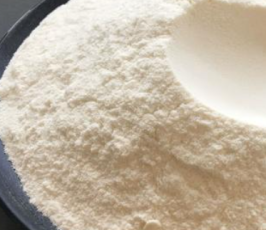
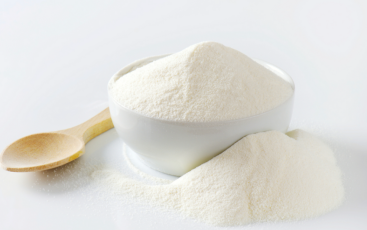
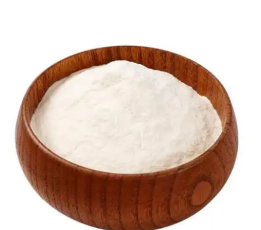
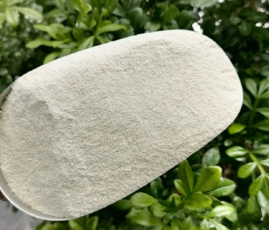
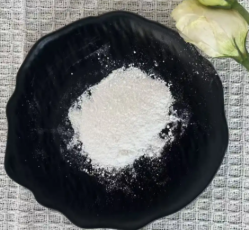
The detailed specifications of this product are as follows: the main component is 98% high-purity montmorillonite, with aflatoxin adsorption rate of not less than 95% and zearalenone adsorption rate of not less than 92%. The pH value is between 7.2 and 8.5, moisture content is not more than 10%, particle size is 0.075-0.100 millimeters. The heavy metal content conforms to the national GB 13078 standard and has passed SGS certification. It is suitable for pigs, chickens, cattle, sheep and other common livestock and poultry. It should be stored in a cool, dry and ventilated place, away from direct sunlight and high temperature. The shelf life is 24 months, and the packaging is 25kg per bag, with an outer plastic woven bag and inner food-grade plastic film for moisture-proof protection. The recommended dosage is 0.1-0.3% of the total weight of the feed.
This product is mainly applicable to large-scale livestock and poultry breeding farms, commercial feed processing plants, family breeding households and other scenarios. It can be used in compound feed, concentrated feed, premix feed and various easily mildewed single feed raw materials such as corn, soybean meal, wheat bran and DDGS. During use, it can be directly uniformly mixed with feed according to the recommended dosage, effectively reducing the content of mycotoxins in feed, improving the feed conversion rate, enhancing the immunity of livestock and poultry, reducing the incidence of livestock and poultry diseases, and improving the quality of animal-derived foods such as meat, eggs and milk. It can also be used in feed storage to inhibit the growth of mold and delay feed spoilage.








 Post RFQ


 Chat
Chat


 ALL CATEGORIES