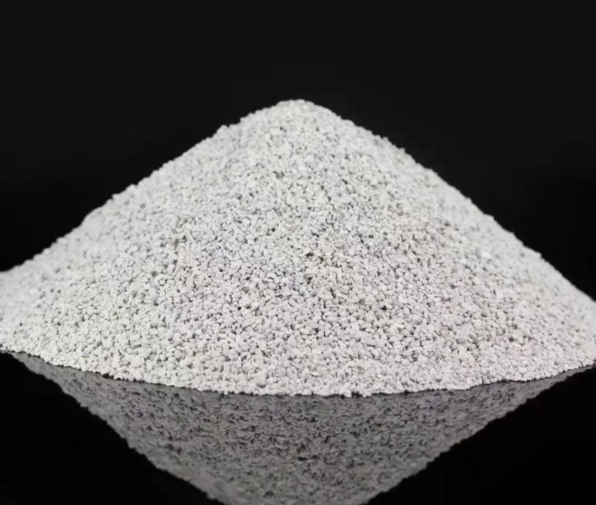
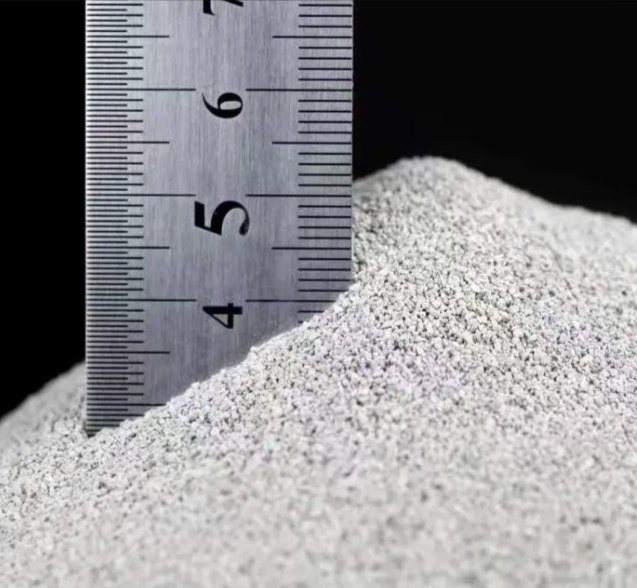


The core technical highlight of this nano-grade mycotoxin adsorbent lies in its ultrafine particle size of 50-100nm, with a specific surface area of up to 1200㎡/g, which can achieve ultra-high adsorption efficiency for a variety of mycotoxins, with aflatoxin B1 adsorption rate of more than 98%, and faster adsorption speed, completing most of the toxin adsorption in only 15 minutes. Due to the high dispersibility of nano-particles, the mixing uniformity of the product in feed is higher, and it only needs a small amount of addition to achieve good mold removal effect, reducing feed costs while improving mold removal efficiency. In addition, the product can withstand 150℃ high-temperature granulation temperature, adapting to the processing technology of high-end feed, and is non-toxic and residue-free, conforming to EU feed safety standards.
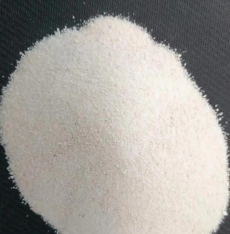
Core parameters: nano montmorillonite content ≥95%, particle size 50-100nm, specific surface area ≥1200㎡/g, aflatoxin B1 adsorption rate ≥98%, zearalenone adsorption rate ≥95%, ochratoxin adsorption rate ≥92%; moisture content ≤6%, pH value 7.2-8.3, 200 mesh pass rate ≥99%; the packaging uses food-grade aluminum foil bags, with a net weight of 10kg per bag, and can be customized into 5kg small packages; the product density is about 1.3g/cm³, bulk density is about 0.7g/cm³, and it needs to be stored in a cool and dry environment, avoiding mixed placement with toxic and harmful substances.
It is applicable to export-grade livestock and poultry breeding, high-end pet food production, organic certified farms and other scenarios with extremely high requirements for feed safety, can be added to compound feed, premixed feed, pet food, and is especially suitable for breeding enterprises exporting to the European Union, Japan and other regions with strict feed quality requirements. The addition amount of this product is only half of that of traditional mycotoxin adsorbents, but can achieve higher mold removal effect, effectively reducing the toxin content in feed, ensuring the health of breeding animals, and improving the safety and market competitiveness of breeding products.








 Post RFQ


 Chat
Chat


 ALL CATEGORIES