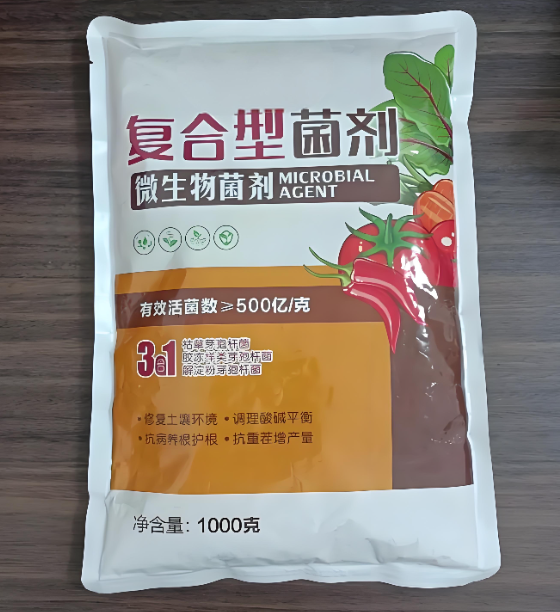
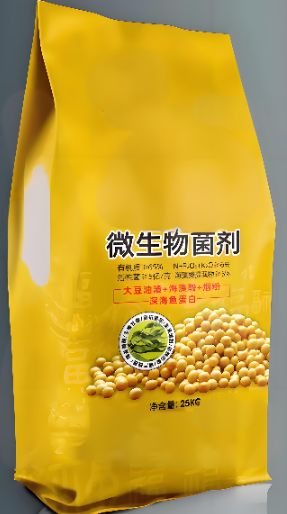


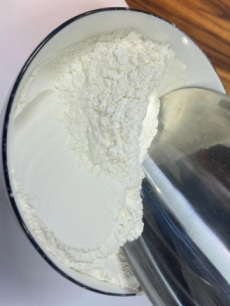
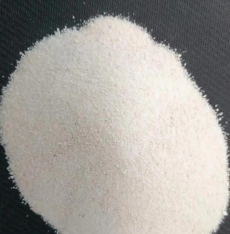
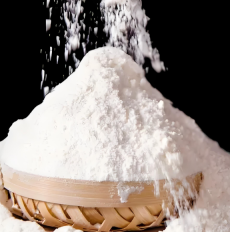
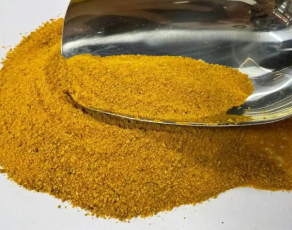
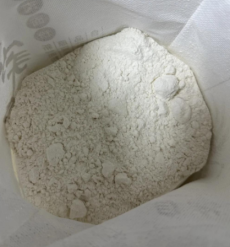
The core differentiated advantage of this product lies in the dual functions of "mold removal + nutrition". It can not only efficiently adsorb more than 96% of aflatoxin in feed, but also supplement trace elements such as vitamin E and selenium for breeding animals, making up for the nutrient loss caused by mycotoxins. In addition, the added yeast cell wall can adjust the intestinal flora, enhance animal immunity, and reduce the incidence of diseases. The vitamin and selenium components are treated by microencapsulation technology to avoid being destroyed during feed processing, ensuring the effectiveness of nutrient components. The product has uniform particle size and good dispersibility, no caking phenomenon, and adapts to the usage needs of fully automatic feed processing equipment.
Detailed parameters: composite ingredient ratio is montmorillonite 60%, yeast cell wall extract 25%, vitamin E 1%, trace selenium 0.02%; aflatoxin B1 adsorption rate ≥96%, zearalenone adsorption rate ≥93%, ochratoxin adsorption rate ≥89%; moisture content ≤7.5%, pH value 7.0-8.0, 250 mesh pass rate ≥98%; the packaging uses moisture-proof kraft paper bags, with a net weight of 25kg per bag, and can be customized into 10kg, 5kg small packages; the product density is about 1.25g/cm³, bulk density is about 0.65g/cm³, and the storage temperature is recommended to be 10-25℃, avoiding high temperature and high humidity environment.
It is mainly applicable to large-scale pig farms, chicken farms, cattle farms and large feed processing plants, suitable for scenarios with severe grain raw material mold contamination and low immunity of breeding animals. It can be added to full-price compound feed, concentrated feed, or as part of premix, especially suitable for breeding scenarios in high temperature and high humidity areas in summer and autumn. It can not only effectively remove mycotoxins in feed, but also supplement the nutrients required by breeding animals, improve the growth performance of animals and the quality of breeding products, and reduce the use of veterinary drugs in the breeding process.







 Post RFQ


 Chat
Chat


 ALL CATEGORIES