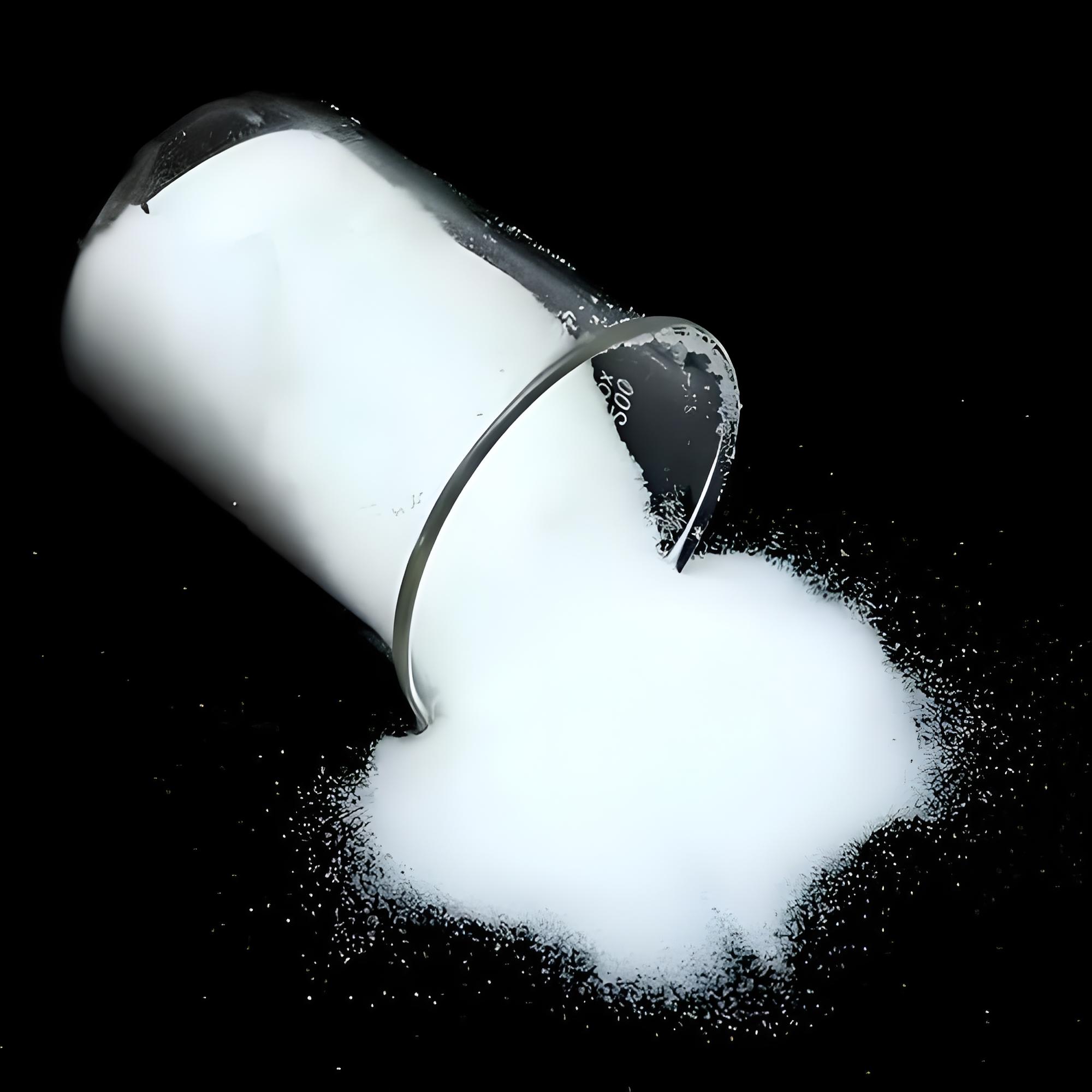


It is prepared by crosslinking polymerization process, with a three-dimensional network molecular structure, having higher heat resistance and electrical insulation performance than ordinary polyethylene wax. It can maintain stable lubricating performance in a long-term use environment of 105℃. Its unique molecular structure has good compatibility with polyolefin resins. After addition, it can effectively reduce the screw torque during extrusion, improve production efficiency and reduce energy consumption. It passes UL certification, meeting the electrical safety standards of the wire and cable industry, adapting to the processing needs of global wire and cable production enterprises.
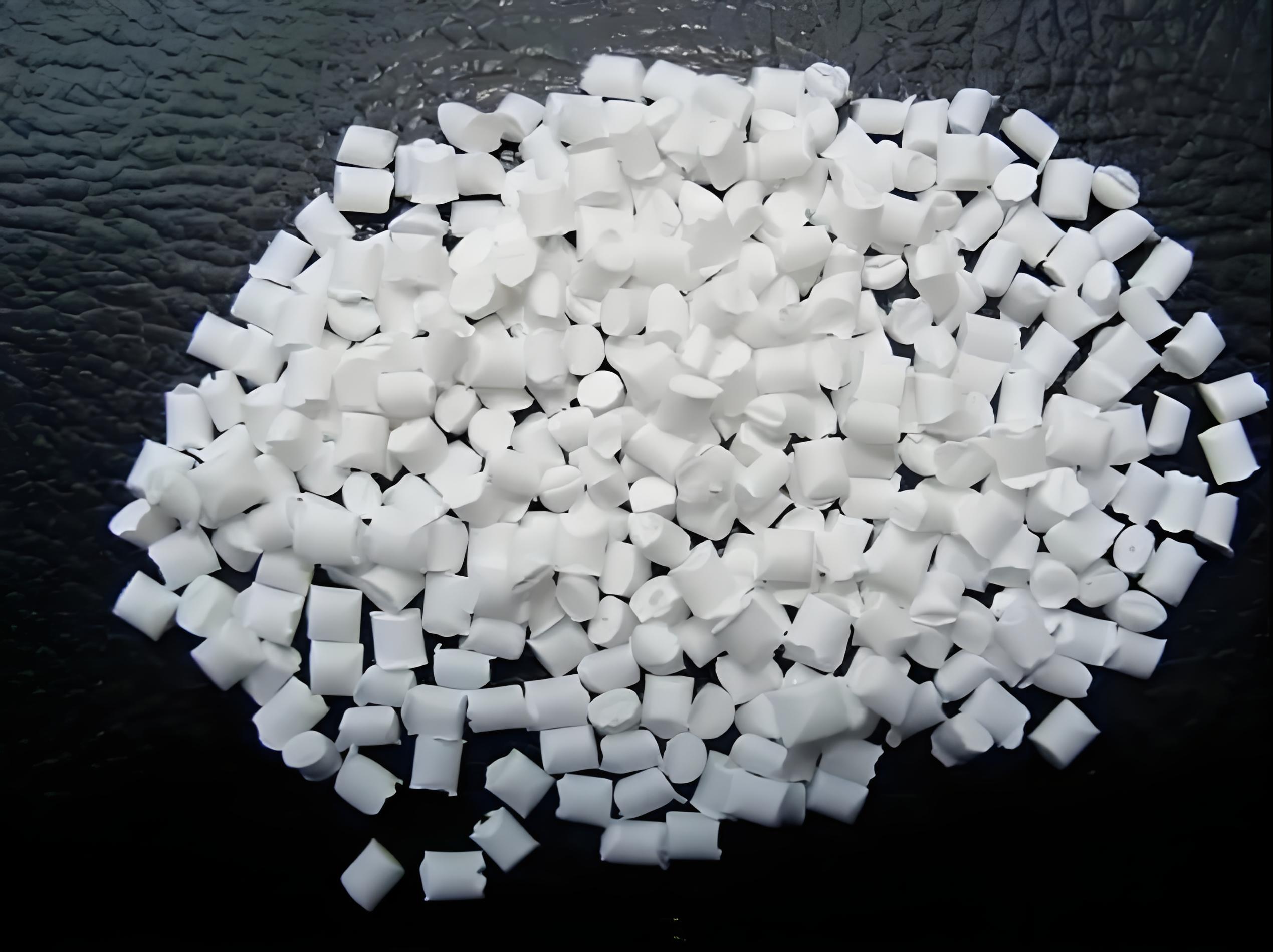
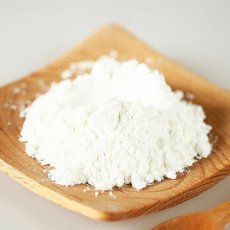
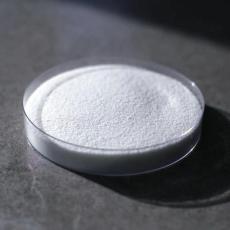
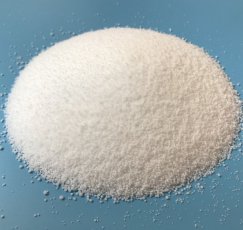
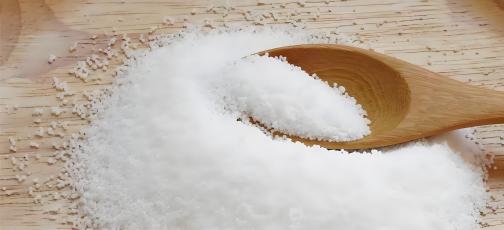
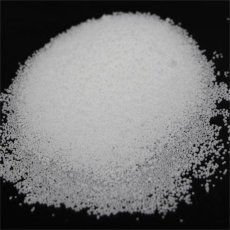
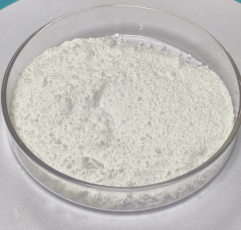
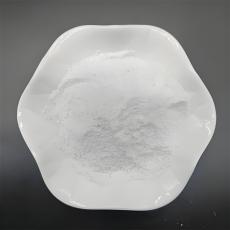
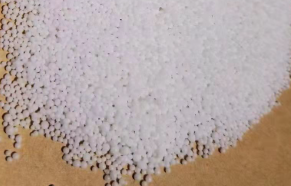
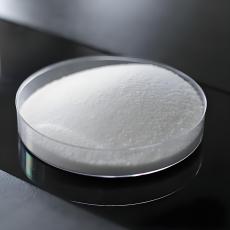
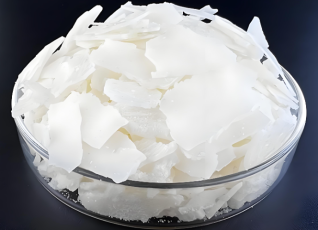
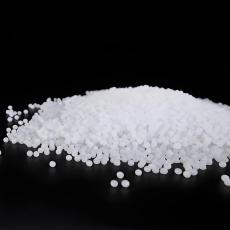
Melting Point: 110-120℃, Volume Resistivity: ≥1×10^16 Ω·cm, Breakdown Voltage Strength: ≥30 kV/mm, Density (25℃): 0.95-0.97 g/cm³, Appearance: White translucent particles, Volatile Matter (105℃, 2h): ≤0.4%, Closed Flash Point: 255℃, Acid Value: ≤0.2 mgKOH/g, Average Particle Size: 3-4mm, Long-term Heat Resistance Temperature: 105℃, Melt Flow Rate (190℃, 2.16kg): 10-15 g/10min. All electrical performance parameters meet the testing standards of international wire and cable associations.
It is mainly used in the insulation layer processing of low-voltage power cables, communication optical cables, photovoltaic module wiring cables, automotive low-voltage wires and other wire and cables. It can be used as an internal lubricant and processing aid added to polyolefin insulation resin systems, helping to improve extrusion processing efficiency, improve the surface quality and electrical performance of the insulation layer. meeting international electrical safety standards such as UL and IEC, suitable for wire and cable production enterprises of all scales.







 Post RFQ


 Chat
Chat


 ALL CATEGORIES