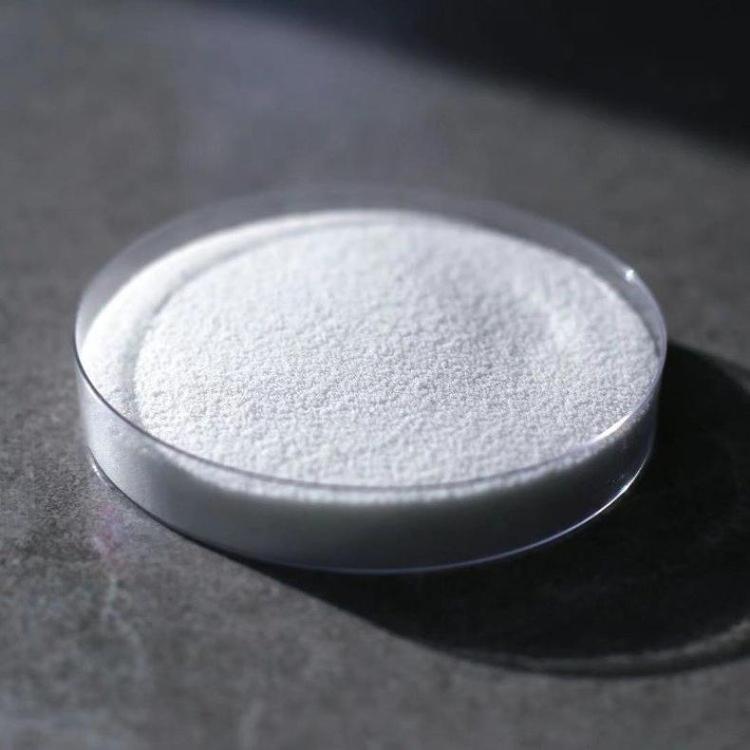


Adopting waste palm oil recycling and refining process, it converts agricultural waste into high-value chemical raw materials, reducing waste emissions and fossil energy dependence, with a carbon footprint of less than 2.5 kg CO2e/kg. It has the same performance indicators as traditional stearic acid, and can directly replace ordinary stearic acid in existing production formulas. It has passed multiple sustainability certifications, helping brands improve their ESG scores and meet consumer demand for environmentally friendly products. It uses recyclable packaging to further reduce carbon emissions across the entire life cycle.
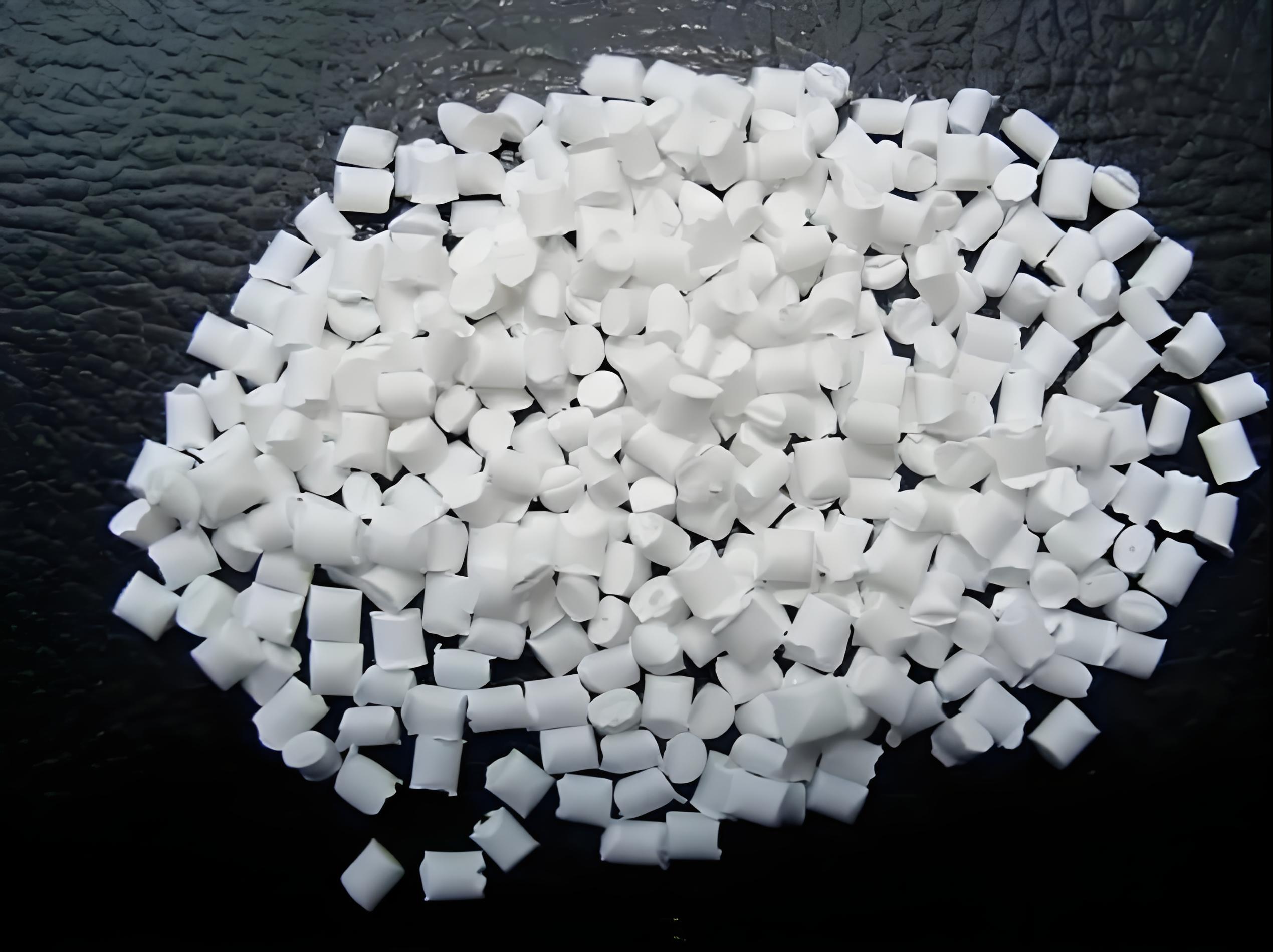
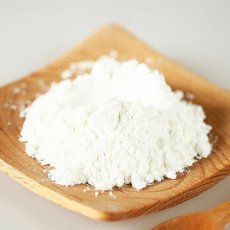
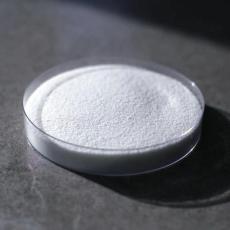
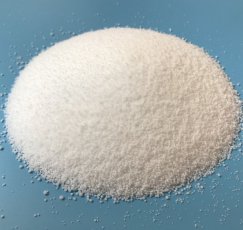
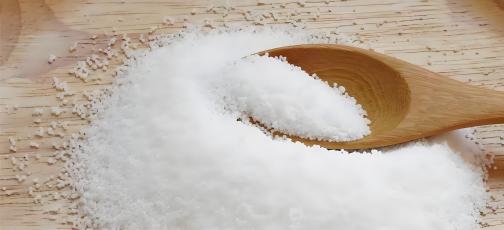
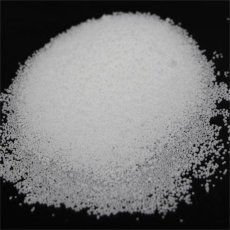
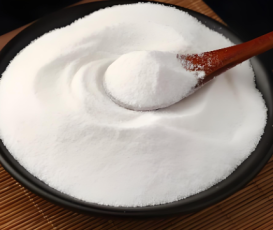
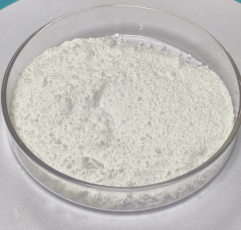
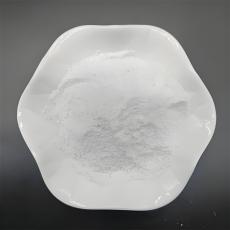
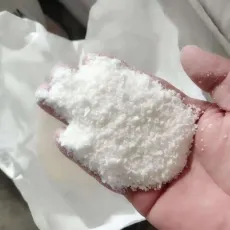
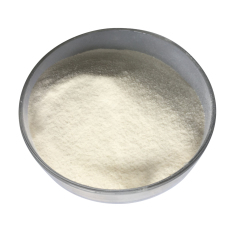
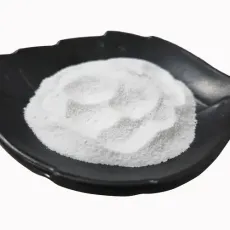
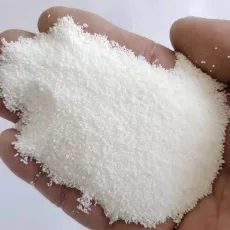
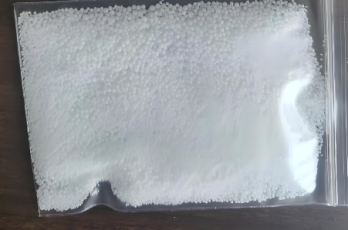
It appears as white flaky solid, with a purity of not less than 99.2%, melting point ranging from 69.0 to 70.0℃, iodine value less than 0.6 g I2/100g, acid value controlled at 206-210 mg KOH/g, moisture content less than 0.15%, carbon footprint less than 2.5 kg CO2e/kg. It is packaged in recyclable HDPE barrels with a net weight of 25KG per barrel, with a shelf life of 24 months, holding ISCC PLUS and B Corp sustainability certifications, complying with EU carbon emission reduction standards.
It is used in sustainable formulas of high-end beauty brands, replacing traditional stearic acid to improve the brand's environmental image; used as a green additive in the food industry, meeting the sustainable procurement requirements of food brands; used in sustainable production of pharmaceutical excipients, complying with the ESG goals of pharmaceutical enterprises. It is widely used in beauty, food and pharmaceutical enterprises focusing on sustainable development, helping brands achieve carbon neutrality goals.







 Post RFQ


 Chat
Chat


 ALL CATEGORIES