



The core advantage lies in the dual functions of promoting plant growth and preventing soil-borne diseases. It can regulate the endogenous hormone levels of plants, promote root development and nutrient absorption, and increase the germination rate of seeds by 15-20%. At the same time, it has a good inhibitory effect on soil pathogenic fungi such as fusarium and rhizoctonia, reducing the incidence of crop diseases by 25-30%. It is easy to use, can be mixed with most pesticides and fertilizers, and will not produce antagonistic effects, simplifying the application process of agricultural production.
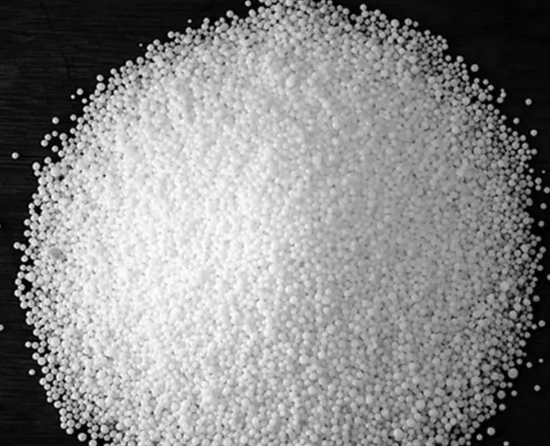
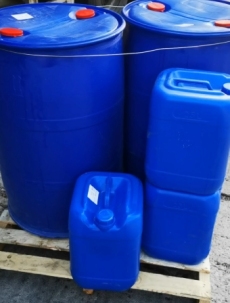
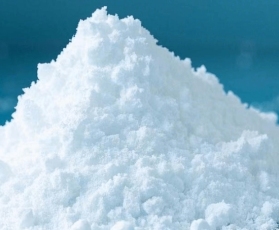
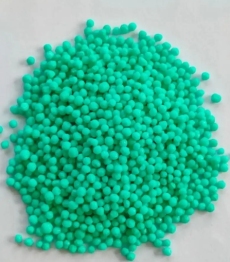
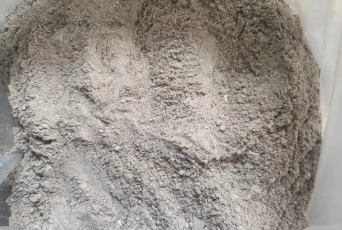
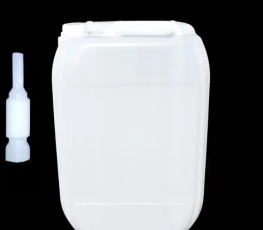
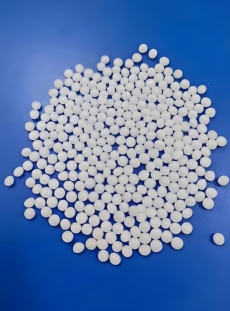
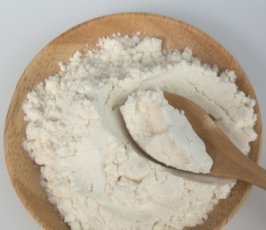
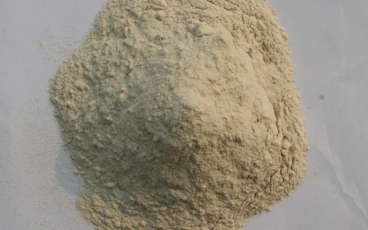
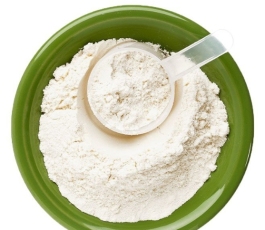
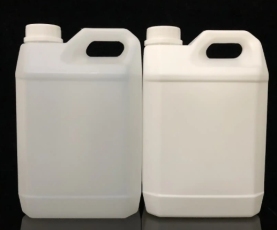
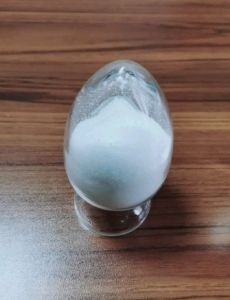
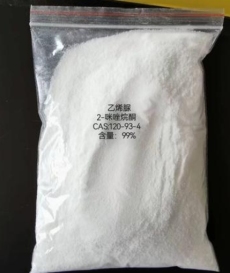
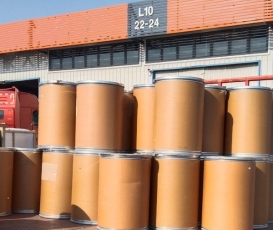
It appears as light gray crystalline powder, with no obvious agglomeration. The purity is not less than 95.0%, the moisture content is no more than 1.0%, and the particle size is controlled between 80-100 mesh. It is packaged in 50kg plastic woven bags lined with plastic film, and can also be customized into small packages of 1kg/5kg for family farmers. The storage environment shall be kept away from food, feed and children, and the temperature shall be between 5-35℃. It is easily soluble in hot water and polar organic solvents, and can be formulated into aqueous solution or wettable powder for use.
It is mainly used in field crops such as wheat, corn and rice, vegetables such as tomatoes, cucumbers and peppers, and fruit trees such as apples, grapes and oranges. When used as a plant growth regulator, it can be soaked before sowing or sprayed during the growth period to promote plant growth and increase yield. When used as a soil fungicide, it can be applied to the soil before sowing or during the seedling stage to prevent soil-borne diseases. It can also be used as a foliage fertilizer additive to improve the absorption efficiency of plant nutrients.








 Post RFQ


 Chat
Chat


 ALL CATEGORIES