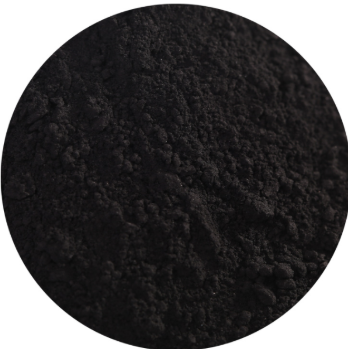
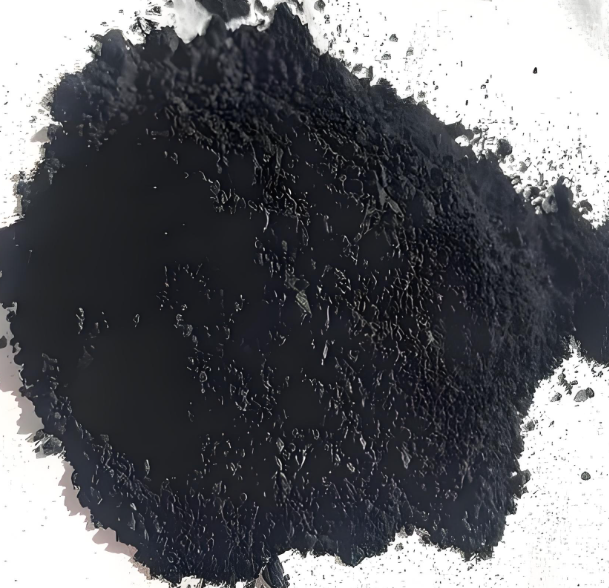


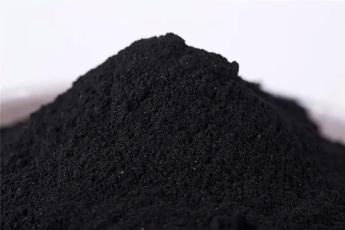
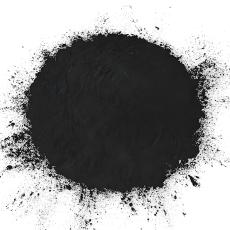
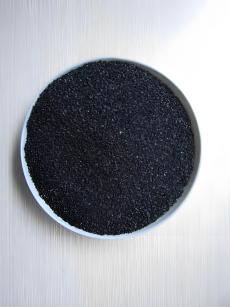
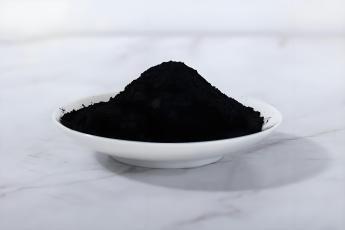
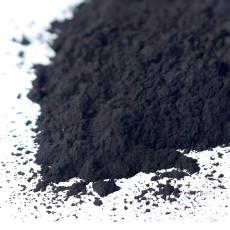

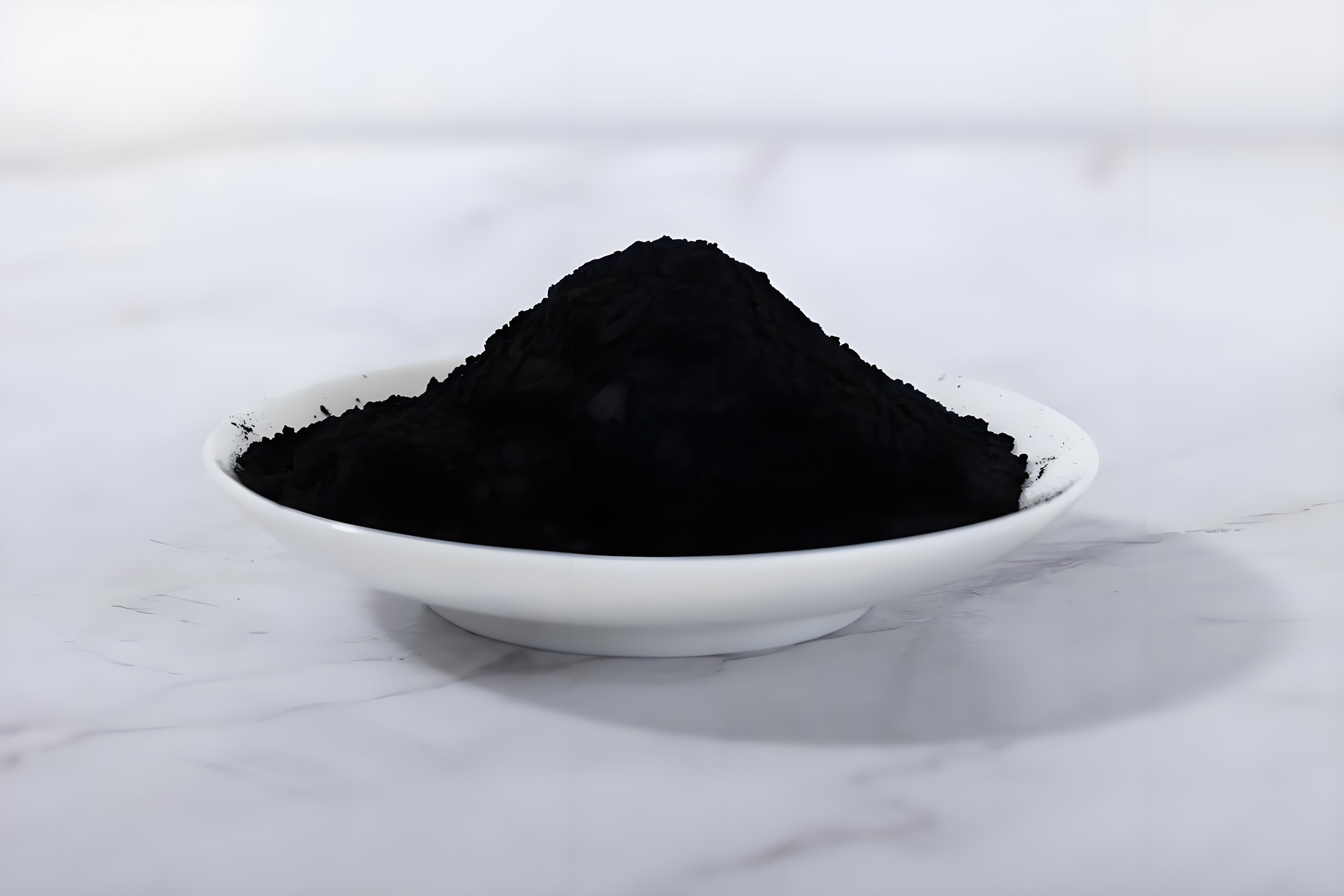
The core advantage of this product lies in its targeted microporous distribution for common industrial waste gas pollutants, with higher adsorption efficiency than ordinary activated carbon. It has low ash content and minimal secondary dust pollution, avoiding secondary contamination during use. The low moisture content ensures stable adsorption performance during long-term storage and transportation, without performance degradation caused by moisture absorption. It can be directly added to the waste gas treatment system without complex pre-treatment, reducing the difficulty of project construction and operation. It has passed multiple international quality and environmental management system certifications, ensuring reliable product quality and compliance with global environmental protection standards.
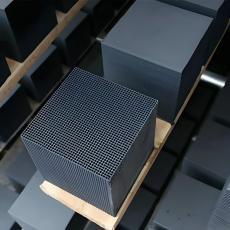
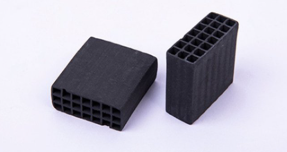
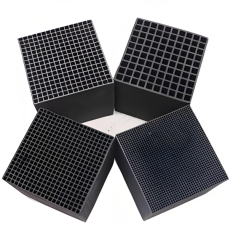
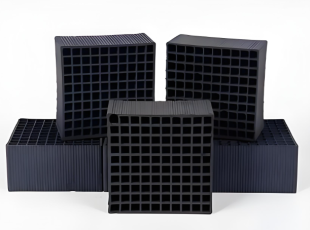
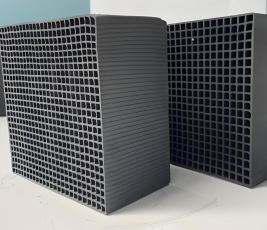
This product uses a mixed base material of wood and coconut shell, with an iodine number of 900 mg/g and a methylene blue adsorption value of 120 mg/g. The particle size is strictly controlled at 200 mesh, ensuring good dispersion performance in the waste gas treatment pipeline. The ash content is less than 8%, and the moisture content is controlled within 5%, ensuring stable adsorption effect under different environmental conditions. The bulk density is 0.45 g/cm³, which is convenient for storage and transportation. The pH value is between 7 and 9, which will not corrode the associated treatment equipment. It is packaged in 25kg sealed food-grade plastic bags to avoid moisture absorption and contamination during transportation and storage.
This product is mainly applicable to the waste gas purification treatment of multiple industries, including automobile painting workshops, packaging and printing plants, chemical raw material factories, pharmaceutical manufacturing workshops and other scenarios that generate VOCs and malodorous gases. It can be used in combined waste gas treatment processes such as spray absorption + activated carbon adsorption, catalytic combustion + activated carbon deep purification, effectively reducing the concentration of pollutants in the exhaust gas to meet the national emission standards. It can also be used as an auxiliary adsorption material for industrial sewage treatment to remove trace organic pollutants in water.







 Post RFQ


 Chat
Chat


 ALL CATEGORIES