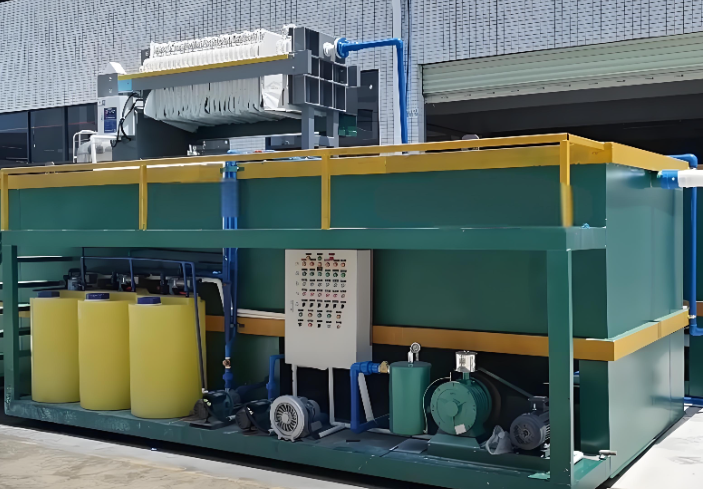
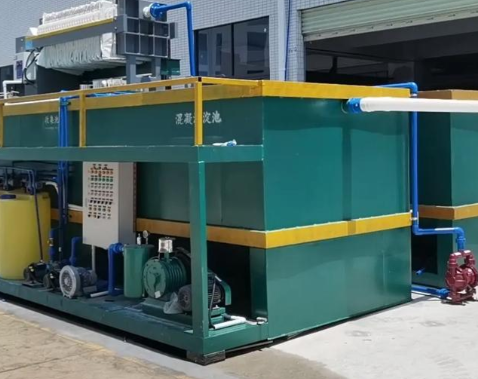


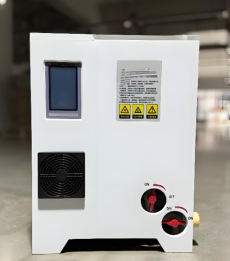
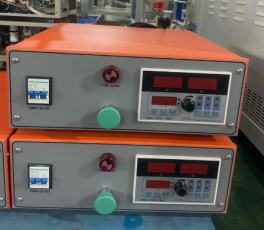

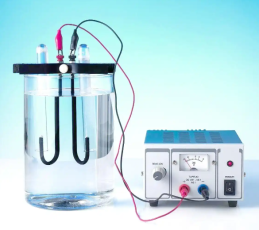
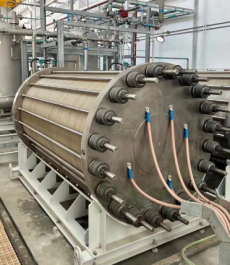
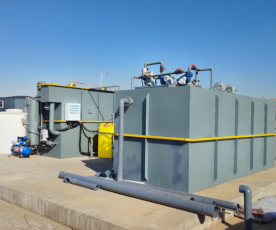
The core technical highlight is the use of DSA (Dimensionally Stable Anode) with ruthenium-iridium coating, which has excellent corrosion resistance and long service life, reducing the frequency of anode replacement by 60% compared with traditional graphite anodes. The equipment does not need to add chemical flocculants or disinfectants, avoiding secondary pollution caused by chemical agents, and reducing operating costs by 30%. The PLC fully automatic control system realizes real-time monitoring and automatic adjustment of parameters such as current and voltage, ensuring stable treatment effect. It also has a sludge self-discharge function, reducing the labor intensity of operators.
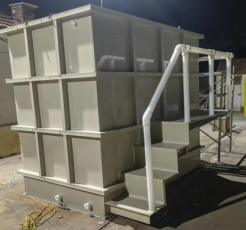
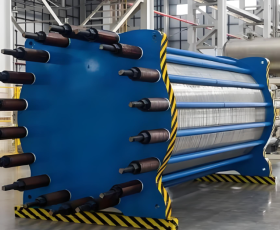
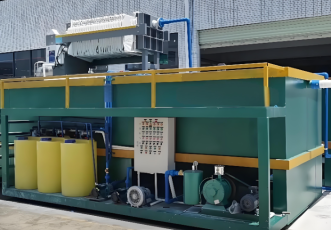
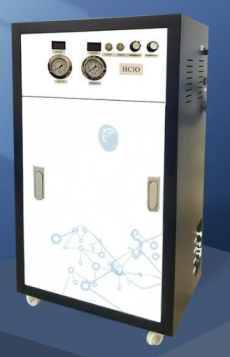
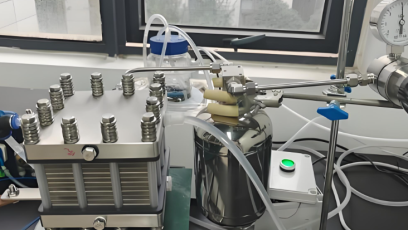
This wastewater treatment equipment has a daily treatment capacity of 50 cubic meters, with a working voltage range of 12-24V and a current efficiency of more than 85%. The anode is made of ruthenium-iridium coated titanium, which has a service life of more than 5 years under normal working conditions. The electrolytic cell is made of fiberglass reinforced plastic, which has good corrosion resistance. The floor area is 20 square meters, and the energy consumption is 0.8kWh per cubic meter of wastewater treated. It has passed CE and ISO14001 certifications, and the designed service life is more than 8 years. The equipment is equipped with a complete on-site monitoring system, which can display key parameters such as pollutant removal rate in real time.
This industrial electrolytic wastewater treatment equipment is mainly applicable to wastewater treatment of electroplating factories, printing and dyeing factories, chemical plants, pharmaceutical factories and other industrial enterprises with high-concentration refractory wastewater. It can efficiently remove heavy metals, COD, ammonia nitrogen, chroma and other pollutants in wastewater, reaching the national industrial wastewater discharge standards. It can also be used for recycling treatment of wastewater in metal processing enterprises, realizing water resource recycling and reducing production costs.









 Post RFQ


 Chat
Chat


 ALL CATEGORIES