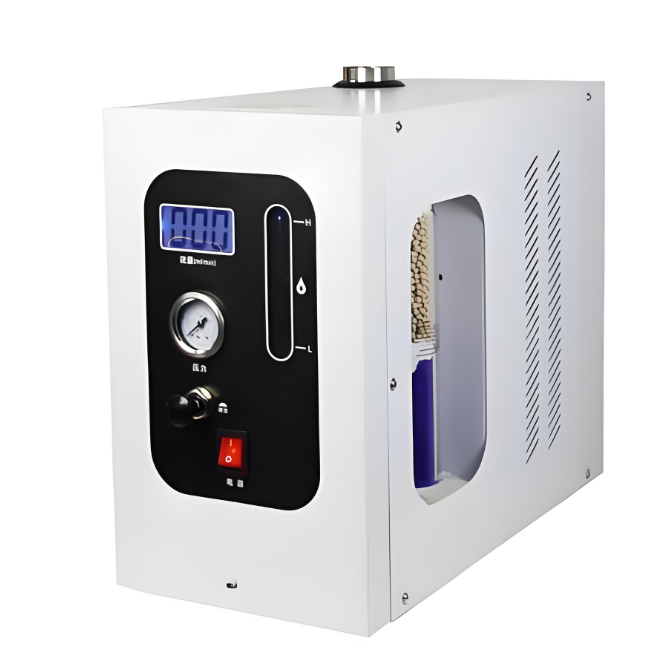
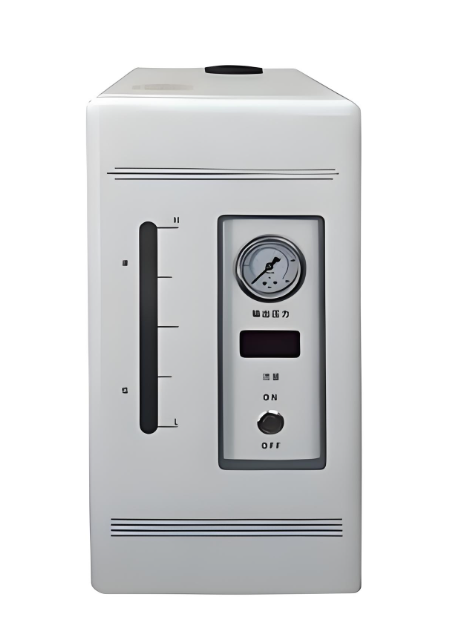


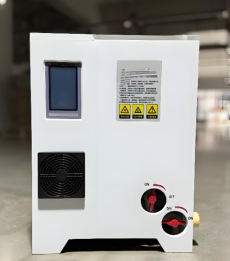

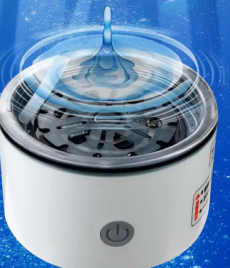
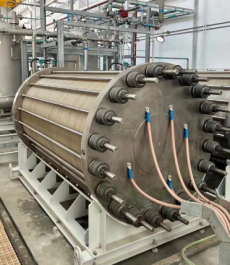
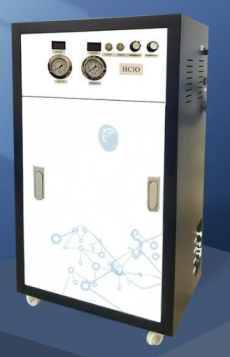
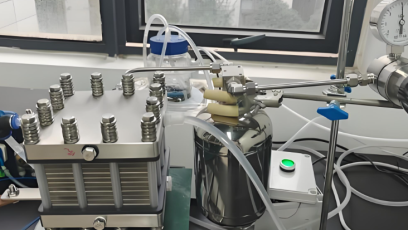
The core advantage of this micro electrolytic hydrogen generator lies in its adoption of imported Nafion proton exchange membrane, which ensures hydrogen purity up to 99.99% while minimizing energy loss. The 316L stainless steel electrolyzer has excellent corrosion resistance, extending the service life of the equipment to more than 5000 hours. The PLC touch panel control system supports real-time monitoring of operating parameters such as hydrogen production rate and voltage, and is equipped with multiple safety protection devices such as over-temperature and over-voltage protection to avoid potential safety hazards. Compared with traditional alkaline electrolysis equipment, this device has no requirement for high-concentration potassium hydroxide electrolyte, reducing the risk of liquid leakage and maintenance costs.
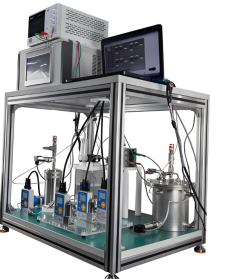
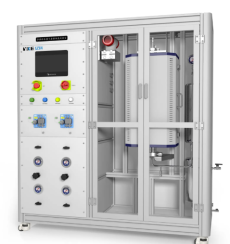
The main technical specifications of this product include: operating voltage compatible with 110V and 220V AC power supplies, power rating of 300W, hydrogen production rate ranging from 0.5L/min to 2L/min, overall dimensions of 450mm (length) * 320mm (width) * 280mm (height), net weight of 25kg. The electrolyzer is made of 316L stainless steel, equipped with Nafion proton exchange membrane, and the shell is made of high-quality cold-rolled steel plate with spray plastic treatment. The equipment supports real-time display of operating data, and is equipped with a standard hydrogen output interface for convenient connection with external testing instruments. The service life of the membrane and electrodes can reach more than 5000 hours under normal operating conditions.
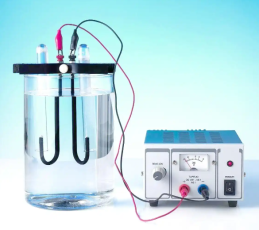
This lab-scale micro electrolytic hydrogen generator is mainly suitable for the following scenarios: 1. University and scientific research institution hydrogen energy R&D, including fuel cell performance testing, hydrogen storage material research and hydrogen sensor calibration; 2. Middle and high school science teaching demonstration, displaying the principle of water electrolysis and hydrogen production intuitively; 3. Small-scale hydrogen demand scenarios such as portable hydrogen fuel chargers for outdoor activities. It can provide stable, high-purity hydrogen sources for various related technical research and practical applications, avoiding the safety risks and storage troubles of high-pressure hydrogen cylinders.









 Post RFQ


 Chat
Chat


 ALL CATEGORIES