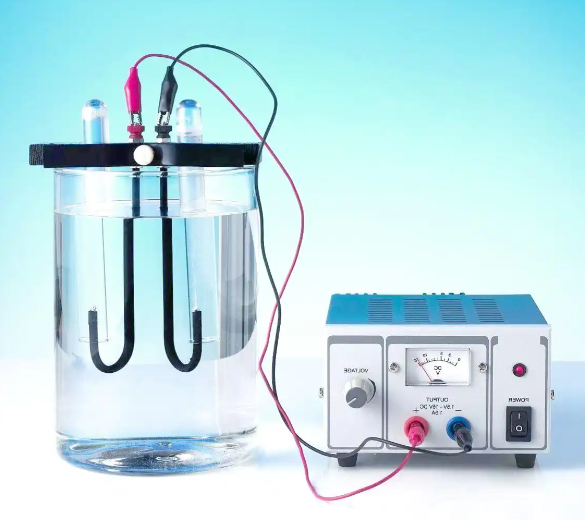


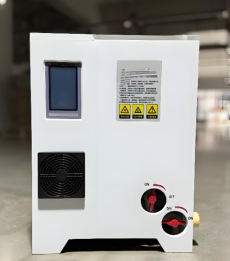
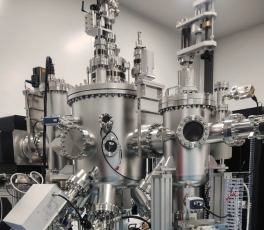
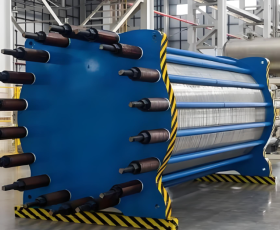
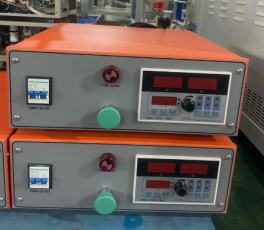

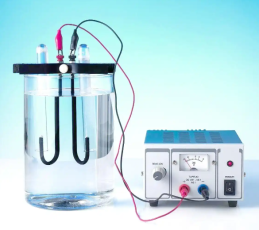
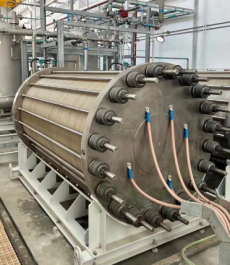
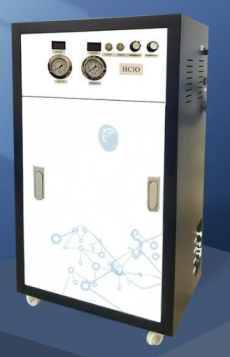
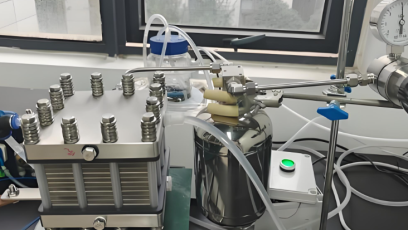
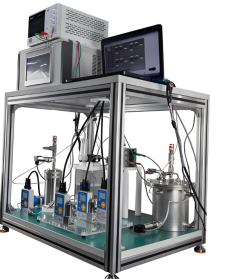
The core advantage of this device lies in its precise parameter control function, with voltage accuracy up to ±0.1V and current stability within ±0.5%, ensuring the repeatability of experimental results. It is equipped with a built-in temperature control system, which can stably control the internal temperature of the electrolytic tank, adapting to the temperature requirements of different electrolytic reactions. The device supports real-time data collection and export, allowing researchers to analyze experimental data efficiently. It also has complete safety protection functions such as over-current and over-temperature protection, avoiding potential safety hazards in laboratory experiments. In addition, the detachable electrolytic tank is easy to clean and replace, reducing the preparation time before experiments.
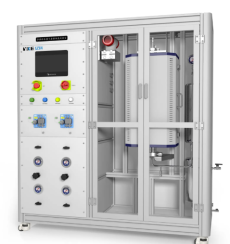
This desktop electrolysis device has a rated voltage range of 0-30V and a rated current range of 0-50A, with voltage accuracy of ±0.1V and current stability of ±0.5%. The electrolytic tank has a volume of 5 liters, made of tempered glass and 304 stainless steel, which is corrosion-resistant and transparent for easy observation of internal reactions. The built-in temperature control system can adjust the temperature from room temperature to 80℃, with a temperature control accuracy of ±1℃. The overall dimensions are 40cm in length, 30cm in width and 50cm in height, with a net weight of 25kg. It has passed UL certification, and the service life is more than 5 years under normal use.
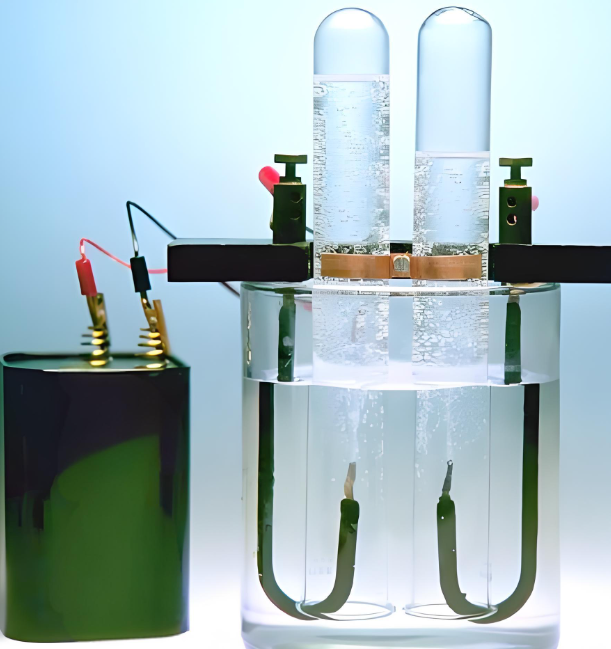
This desktop laboratory electrolysis device is mainly applicable to chemical laboratories of colleges and universities, material research and development institutions, and small-scale process testing workshops. It can be used for experiments such as electroplating, water electrolysis hydrogen production, metal corrosion testing, and organic matter electrolytic synthesis, providing stable and precise experimental conditions for scientific research personnel. It is also suitable for teaching demonstration experiments in vocational colleges and middle schools, helping students intuitively understand the principles of electrolytic reactions.









 Post RFQ


 Chat
Chat


 ALL CATEGORIES