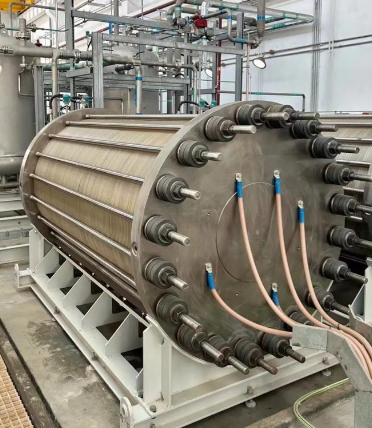
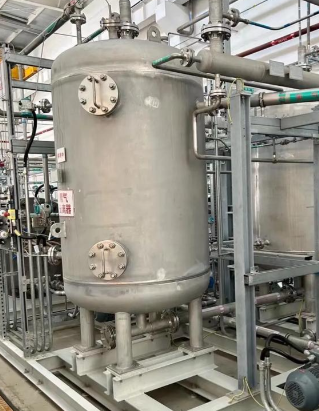


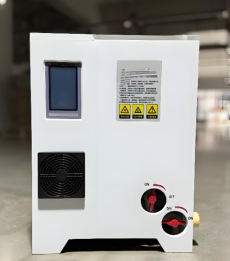
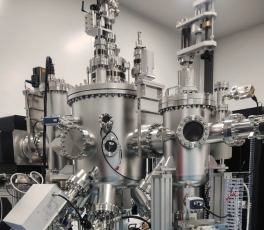
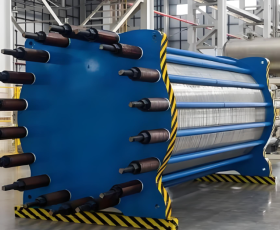
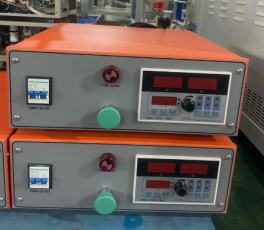

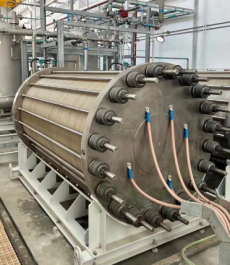
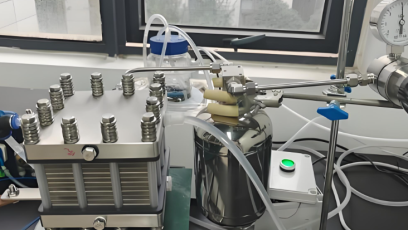
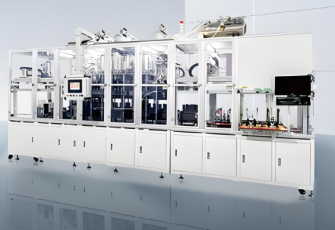
The core technical highlight is the optimized PEM bipolar plate design, which reduces contact resistance by 18% compared to traditional products, lowering the average operating voltage by 0.15V and cutting energy consumption by 8%. It adopts a modular structural design, facilitating on-site installation and maintenance, solving the pain points of complex disassembly and high maintenance costs of traditional large electrolyzers. The equipment is also equipped with a fault self-diagnosis system, which can automatically identify and report abnormalities, reducing downtime by 22% compared to similar products. In addition, it supports flexible matching with wind power and photovoltaic energy storage systems, realizing complementary energy generation and electrolytic hydrogen production, adapting to the intermittent characteristics of new energy power generation.
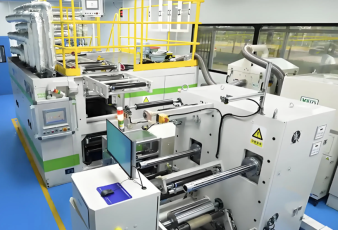
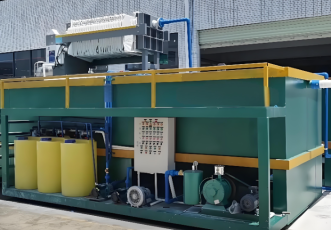
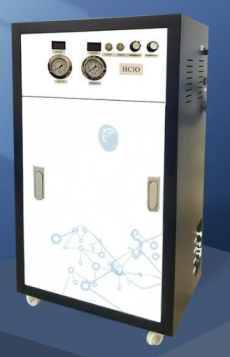
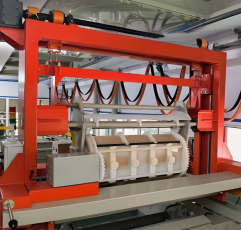
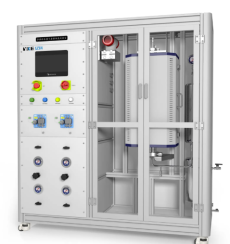
This electrolyzer has a rated power of 500kW, with a working voltage range of 1.8-2.2V and a current density of 2.5A/cm². The hydrogen production capacity reaches 1000Nm³ per hour, with a hydrogen purity of 99.99%. The main components are made of titanium alloy and 316L stainless steel, ensuring corrosion resistance and long service life. The closed water circulation cooling system stably controls the operating temperature of the electrolytic cell within 65-75℃. The overall dimensions are 12 meters in length, 3 meters in width and 2.5 meters in height, with a net weight of 28000kg. It has passed CE and ISO9001 certifications, and the designed service life is more than 15 years under normal working conditions.
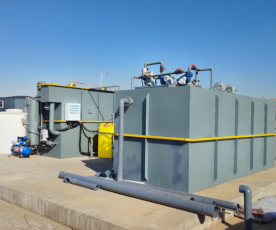
This industrial alkaline electrolyzer is mainly applicable to large-scale green hydrogen production projects coupled with renewable energy such as wind power and photovoltaic. It can be used for hydrogen refueling stations for hydrogen fuel cell vehicles, utility-scale hydrogen power plants, industrial gas supply bases and other scenarios that require large-volume, high-purity hydrogen. It can also be matched with energy storage systems to realize peak-shaving and valley-filling of power grids, improving the consumption rate of new energy power generation.










 Post RFQ


 Chat
Chat


 ALL CATEGORIES