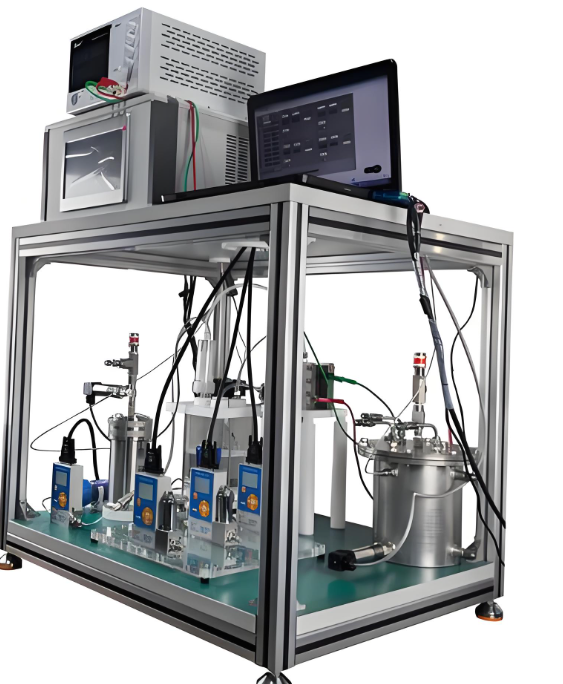
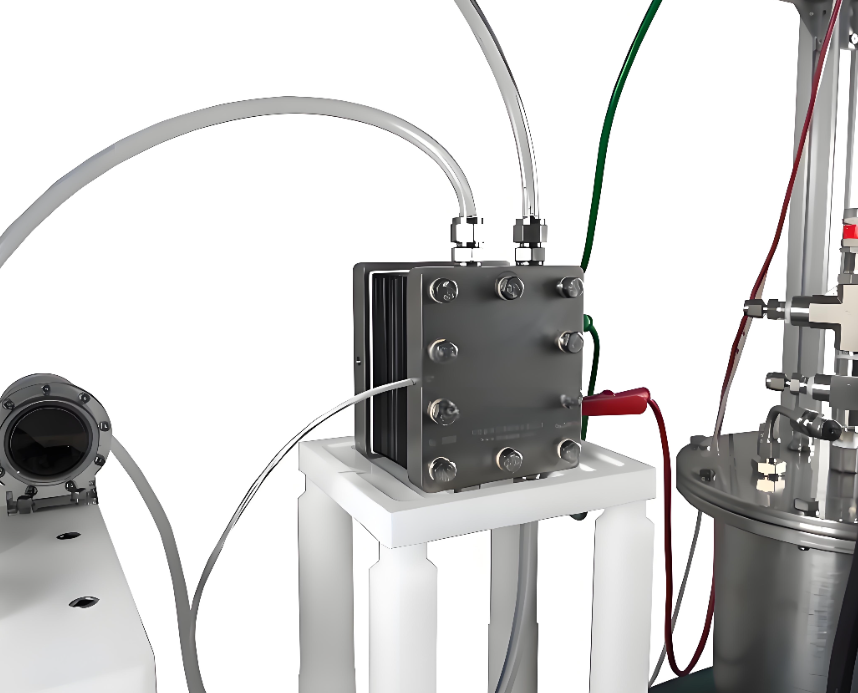


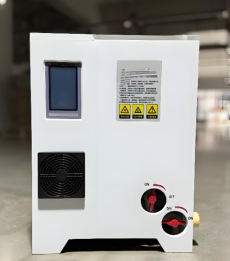

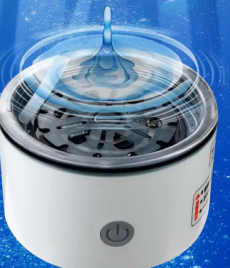
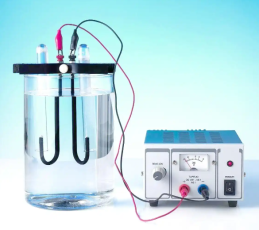
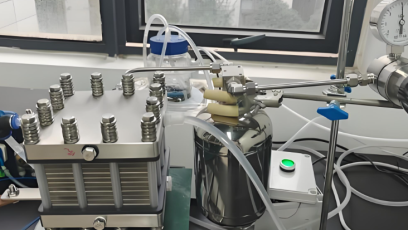
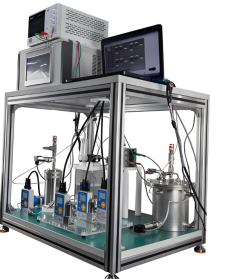
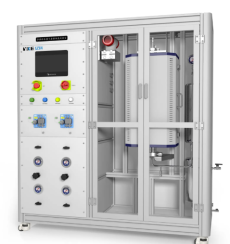
The core technical highlights of this equipment include integrated precise temperature and current-voltage control, which can achieve ±0.5% parameter stability. It adopts 304 stainless steel and borosilicate glass materials, which have excellent corrosion resistance and will not pollute the electrolyte. The digital display can real-time monitor voltage, current and temperature data, and the built-in over-current and over-temperature protection system ensures safe operation. Compared with traditional open electrolytic devices, it reduces the volatilization of toxic reagents by 40%, and the desktop size saves laboratory space. It is an ideal choice for teaching and small-scale R&D teams.
This equipment has a power supply range of 0-30V DC and a maximum current of 10A, with a power consumption of 300W. The electrolytic cell volume is 500mL, and the temperature control range is 20-80°C with an accuracy of ±1°C. The overall dimensions are 320*240*410mm, and the net weight is 8.5kg. It supports 110/220V AC dual voltage adaptation, and is equipped with an optional magnetic stirrer function and USB data logging port for exporting experimental data. The material is food-grade and corrosion-resistant, suitable for most conventional electrolyte solutions used in teaching and small-scale experiments.
It is mainly applicable to high school and university chemistry teaching experiments, such as electrolysis of water, metal plating demonstration and electrochemical principle verification. It is also suitable for small-scale R&D teams in materials science, such as pilot tests of metal ion recovery, organic compound electrolytic synthesis and battery material performance verification. It can also be used for small-scale jewelry plating experiments in art and design majors.









 Post RFQ


 Chat
Chat


 ALL CATEGORIES