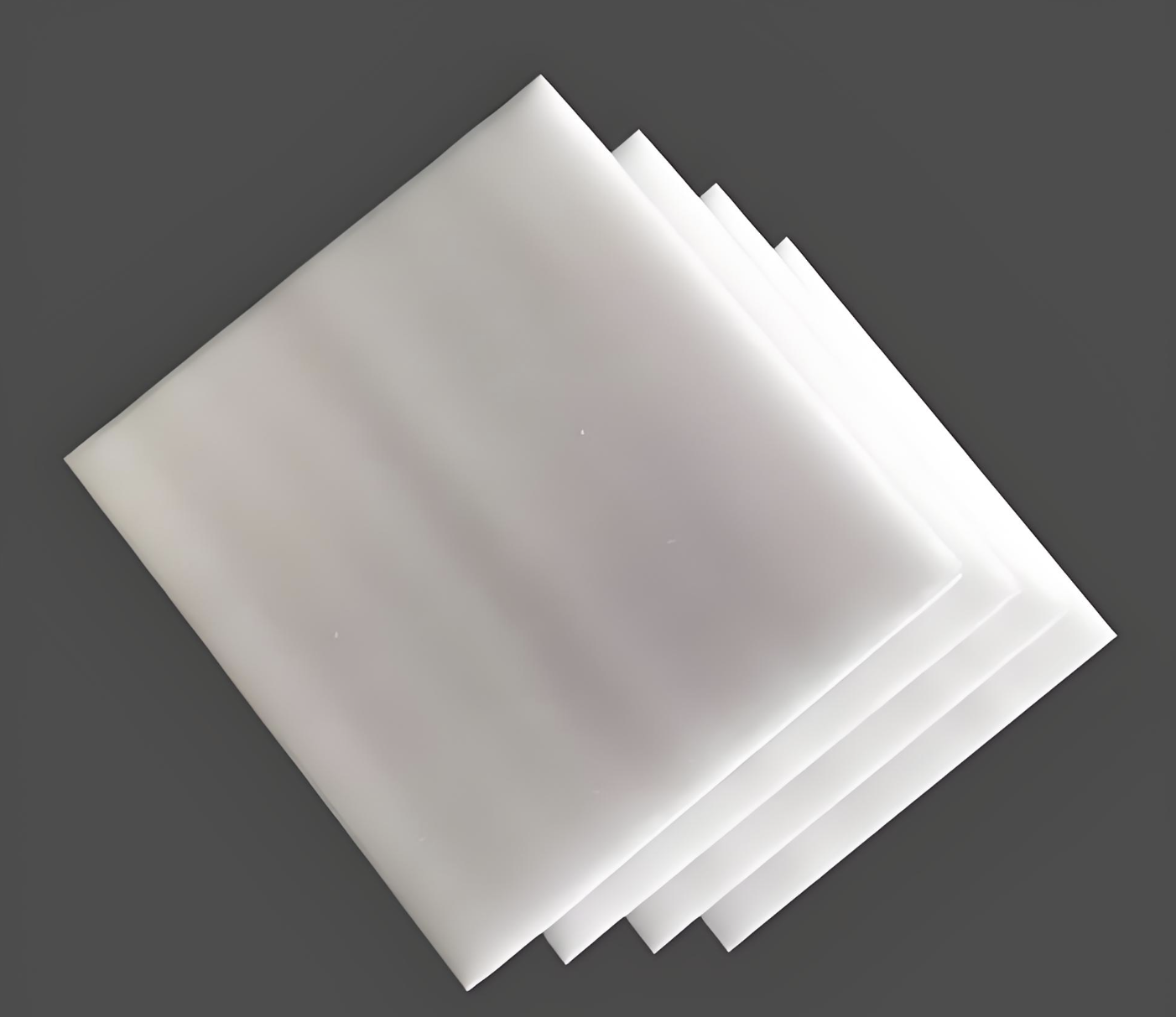
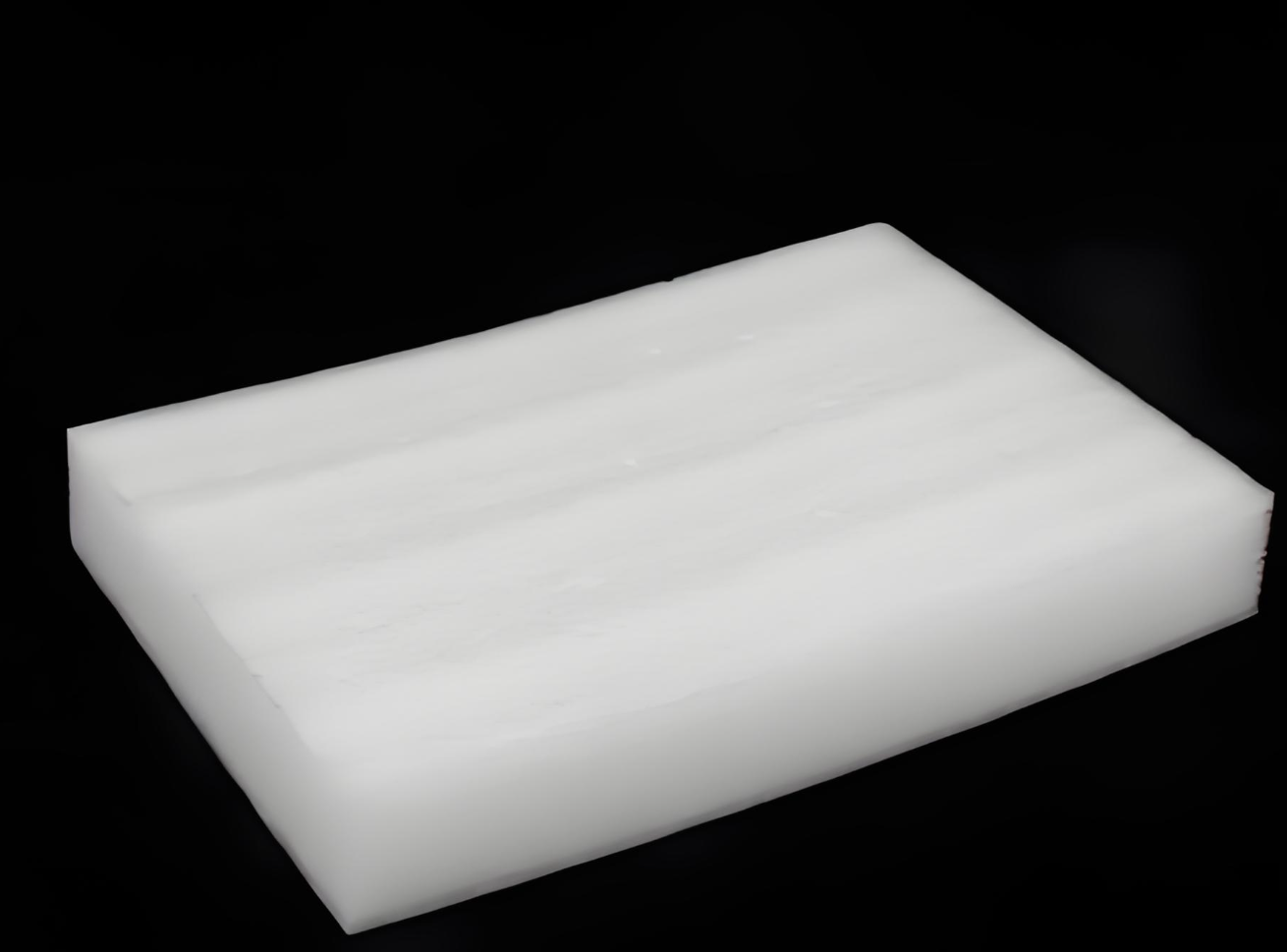






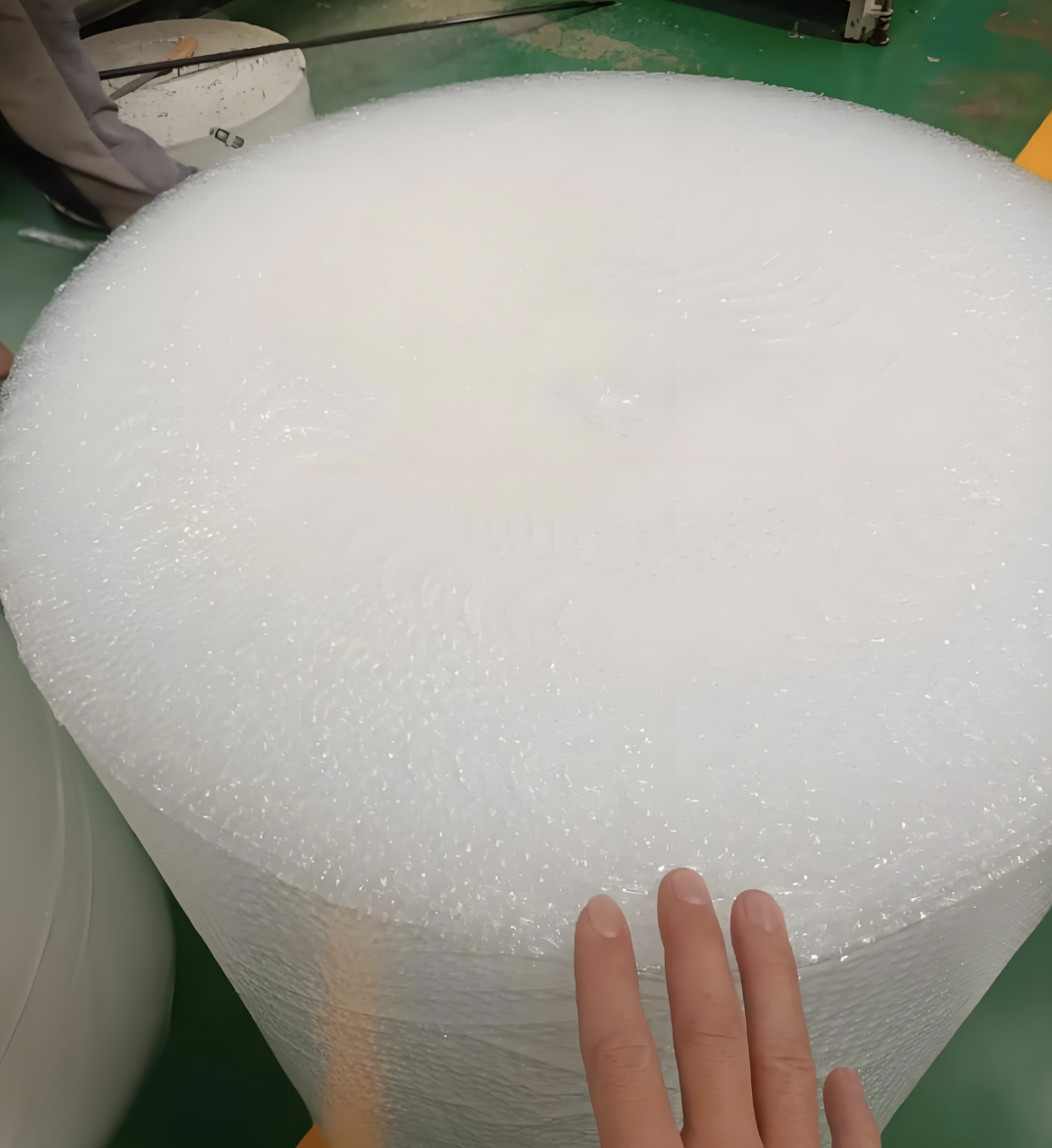
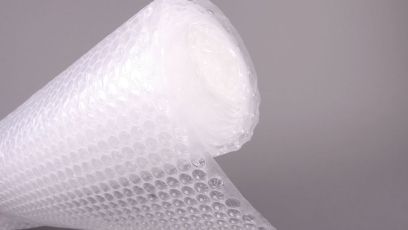
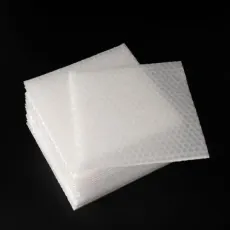
The key advantages of this food-grade EPE pearl cotton sheet include its strict compliance with FDA and EU food safety standards, ensuring no harmful additives leach into packaged food products. Its grease-resistant surface prevents oil and liquid stains from soaking into the foam, making cleanup easy and maintaining the hygiene of both the packaging material and the contained items. The closed-cell design offers excellent shock absorption, protecting fragile food-related items like glass bakeware, ceramic plates, and frozen food containers during transit. Additionally, it is lightweight, easy to cut and shape, and does not leave any residue on food packaging or surfaces. Unlike styrofoam, this product is non-toxic and safe for direct contact with fresh produce, baked goods, and ready-to-eat meals, making it a preferred choice for food manufacturers, grocery retailers, and catering services.
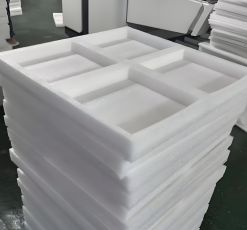
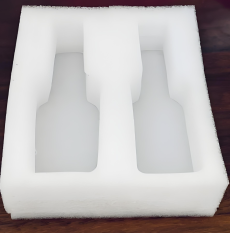
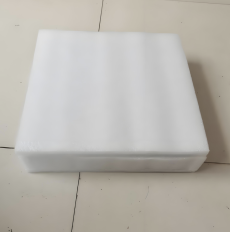
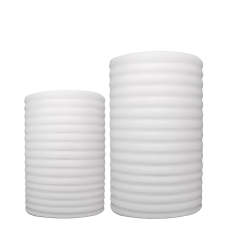
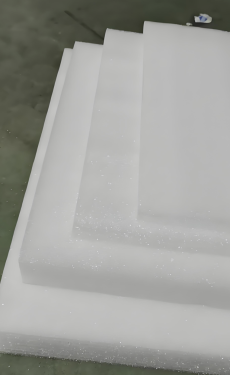
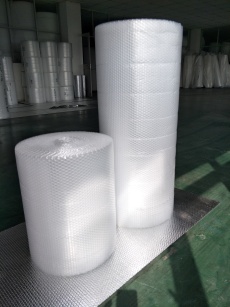
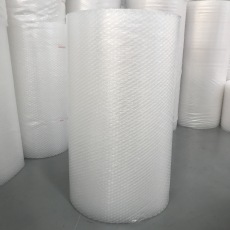
Each standard sheet measures 1000mm in width and 2000mm in length, with thickness options ranging from 3mm to 20mm to balance cushioning performance and material thickness. The foam density is maintained at 20-25 kg/m³ to ensure consistent shock absorption and durability. The material is produced using a clean foaming process that eliminates volatile organic compounds (VOCs), ensuring compliance with indoor air quality standards for food processing environments. The sheet has a smooth, matte surface that prevents scratching of delicate food packaging or kitchenware, and it can be easily die-cut, folded, or glued to create custom packaging inserts for specific food products, such as cake boxes, wine bottle carriers, and fresh produce crates. The operating temperature range allows it to be used for both frozen food storage and room-temperature product packaging, making it a versatile solution for the food industry.
This food-grade EPE pearl cotton sheet is ideal for use in the food and beverage industry, including bakery and confectionery manufacturers, fresh produce distributors, frozen food logistics, kitchenware packaging, and catering services. It is commonly used to line shipping boxes for glass bakeware, protect delicate pastries during delivery, cushion wine bottles during long-distance transport, and line refrigerated trucks to prevent moisture damage to perishable goods. It is also suitable for packaging cosmetic products that require gentle cushioning and non-toxic materials, as well as for children's toy packaging that meets strict safety standards. Additionally, it supports zero-waste food packaging initiatives, as it can be recycled alongside standard polyethylene plastic waste streams, reducing the environmental impact of packaging waste.







 Post RFQ


 Chat
Chat


 ALL CATEGORIES