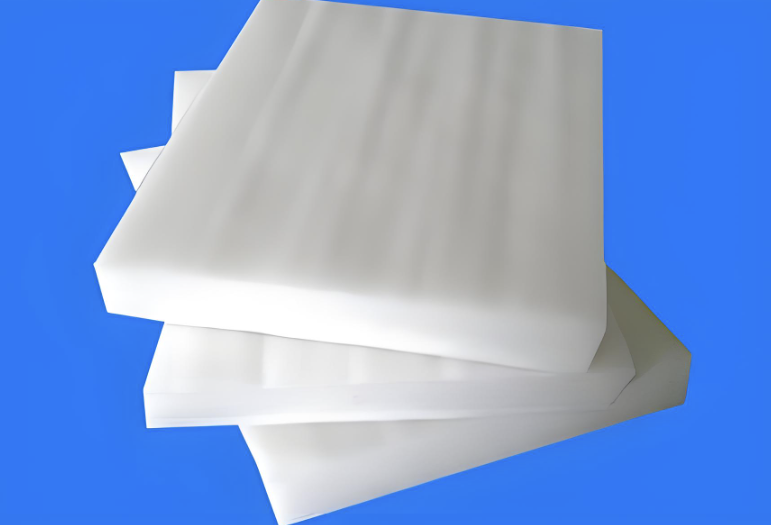
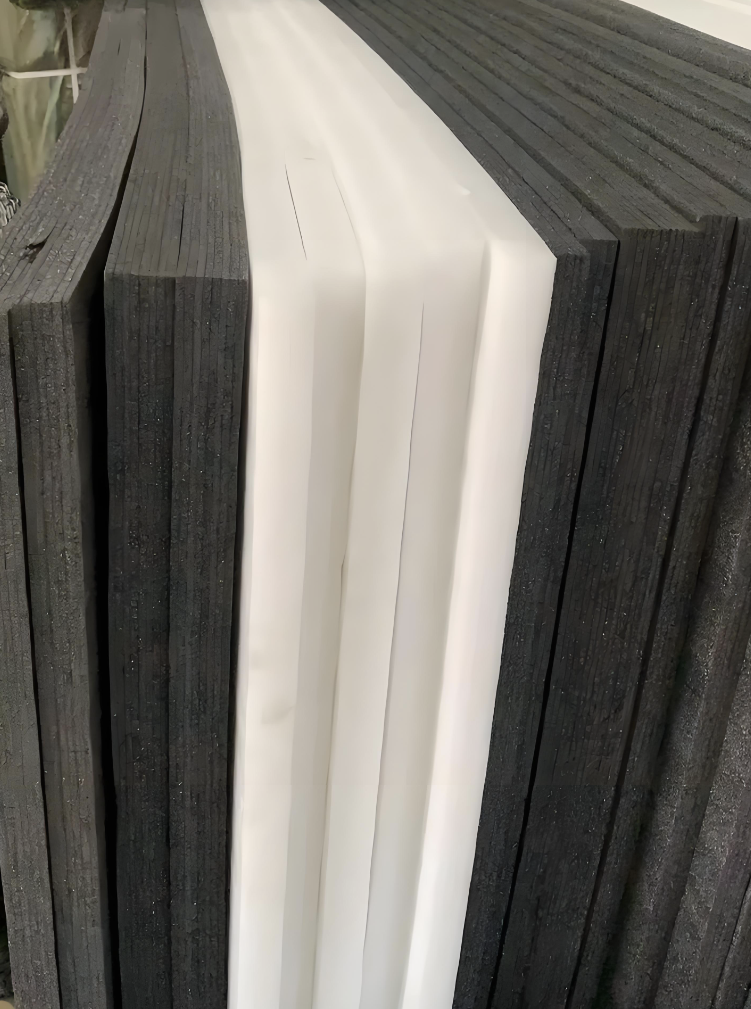





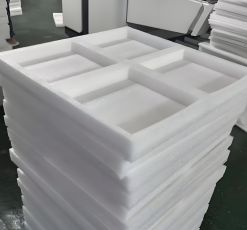
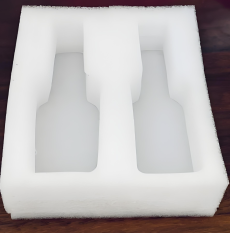
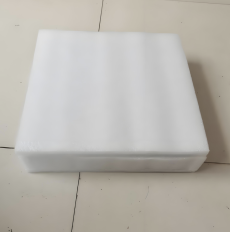
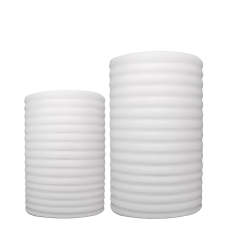
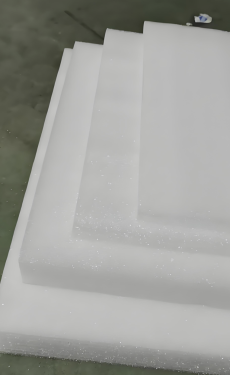

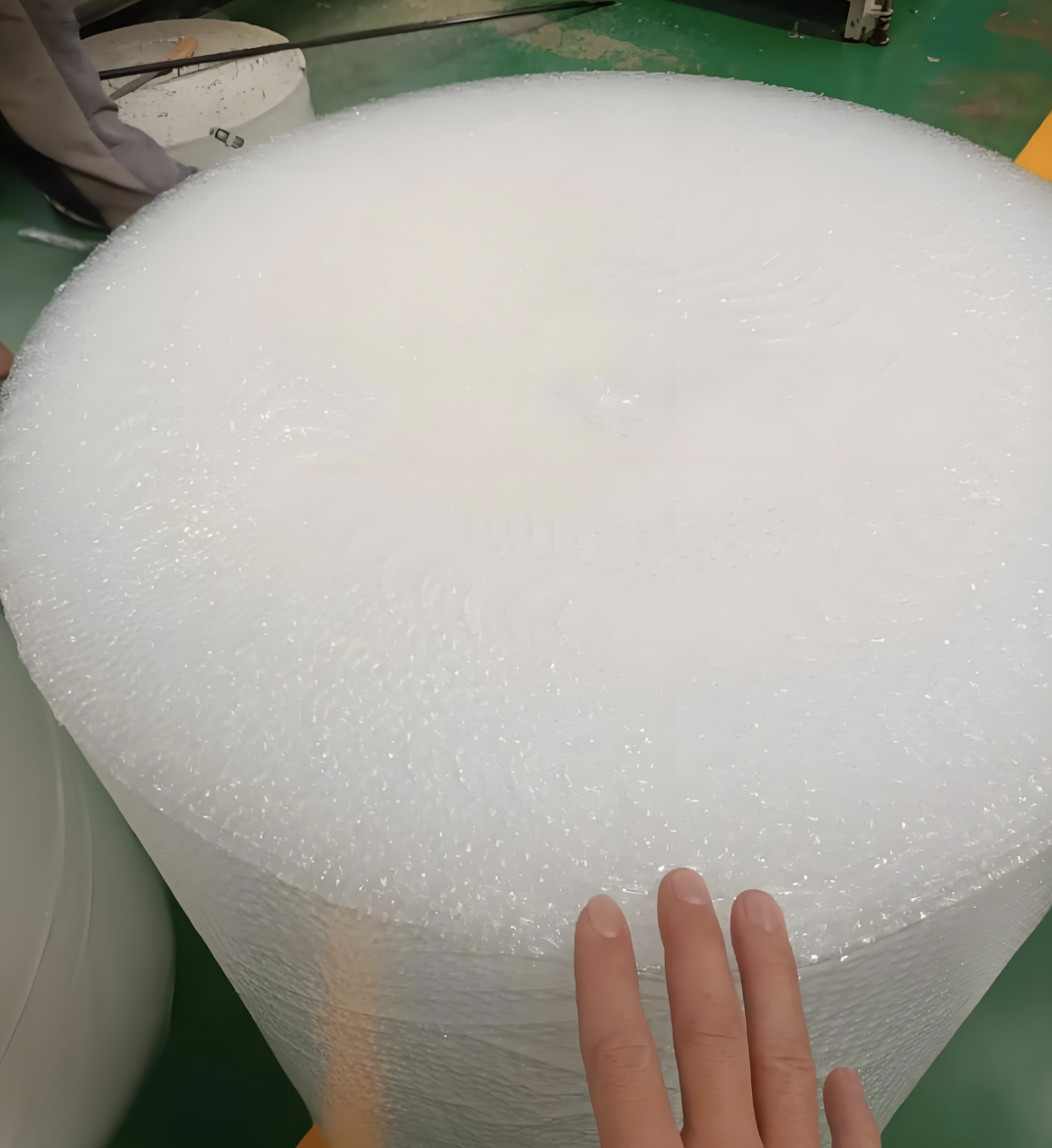
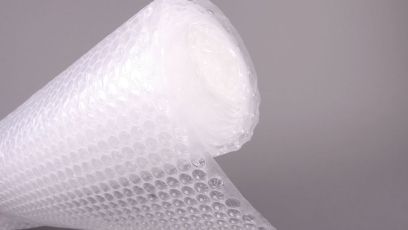
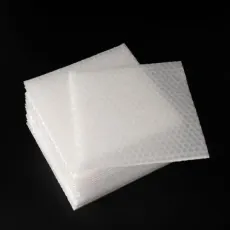
This EPE pearl cotton roll stands out from traditional packaging materials due to its uniform closed-cell foam structure, which delivers consistent shock absorption across the entire surface without weak spots. Its advanced foaming process ensures a density of 18-22 kg/m³, providing optimal protection against drops, impacts, and vibrations during transit. The UL-certified flame-retardant option meets strict industrial safety standards, while the RoHS-compliant material is free of harmful substances like lead and phthalates. Unlike bubble wrap, this product does not leave adhesive residue on packaged goods, and its closed-cell design prevents moisture penetration, making it suitable for outdoor storage and humidity-sensitive products. Additionally, it can be easily cut, shaped, or laminated to fit specific packaging requirements, reducing packaging waste and labor costs for businesses.
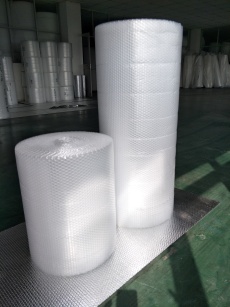
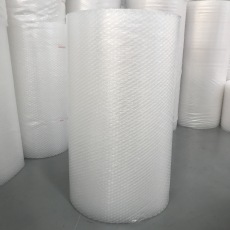
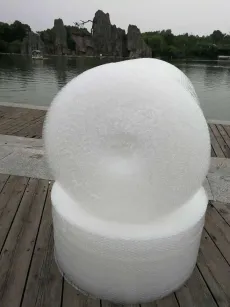
Each standard roll is available with a width ranging from 1000mm to 2000mm and a standard length of 50m, with thickness options spanning 2mm to 50mm to match different cushioning needs. The material is made from 100% virgin LDPE EPE foam, with optional recycled content for customers seeking more sustainable packaging solutions. The surface finish is smooth by default, with embossed surface options available for enhanced grip during handling. All products undergo rigorous testing to ensure compliance with UL 94 fire safety standards and RoHS environmental regulations, with a shock absorption rate of at least 90% and tensile strength of 120 kPa or higher. The operating temperature range is -40°C to 80°C, making it suitable for use in a wide range of climate conditions. Each roll is wrapped in a moisture-resistant plastic film to protect the foam during shipment and storage.
This product is primarily used in industries requiring reliable cushioning protection for fragile and high-value items. In the electronics manufacturing sector, it protects circuit boards, smartphones, and medical equipment from impacts during shipping. For ceramic and porcelain producers, it prevents chipping and cracking during long-distance transport. Furniture manufacturers use it to wrap wooden frames and glass tabletops to avoid scratches and dents during delivery. Additionally, it is suitable for packaging automotive parts, laboratory equipment, and artwork, as well as for insulating temporary construction sites and packaging seasonal goods like holiday decorations. It also supports sustainable packaging initiatives, as it is fully recyclable and reduces the need for single-use plastic packaging in many cases.







 Post RFQ


 Chat
Chat


 ALL CATEGORIES