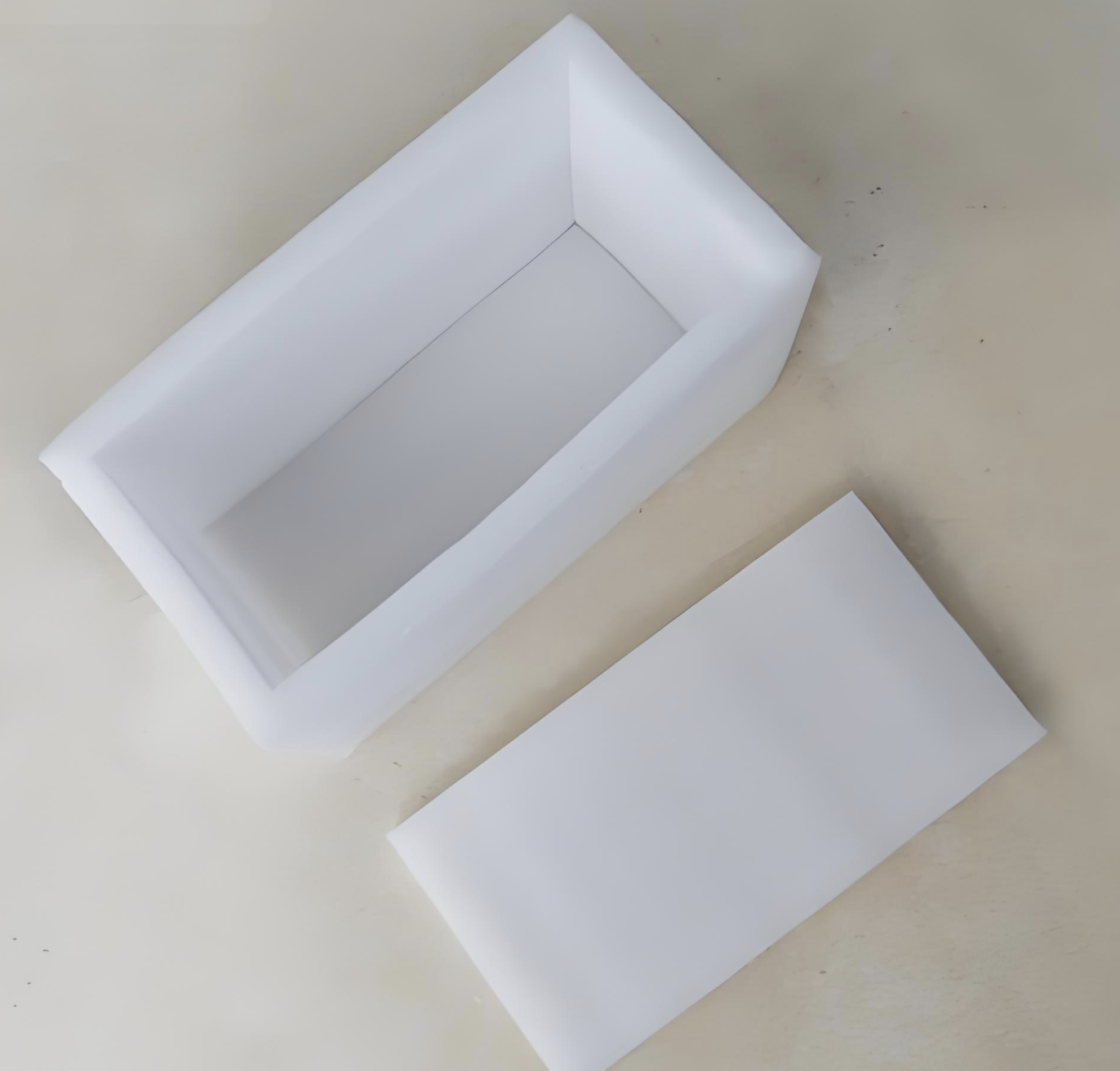
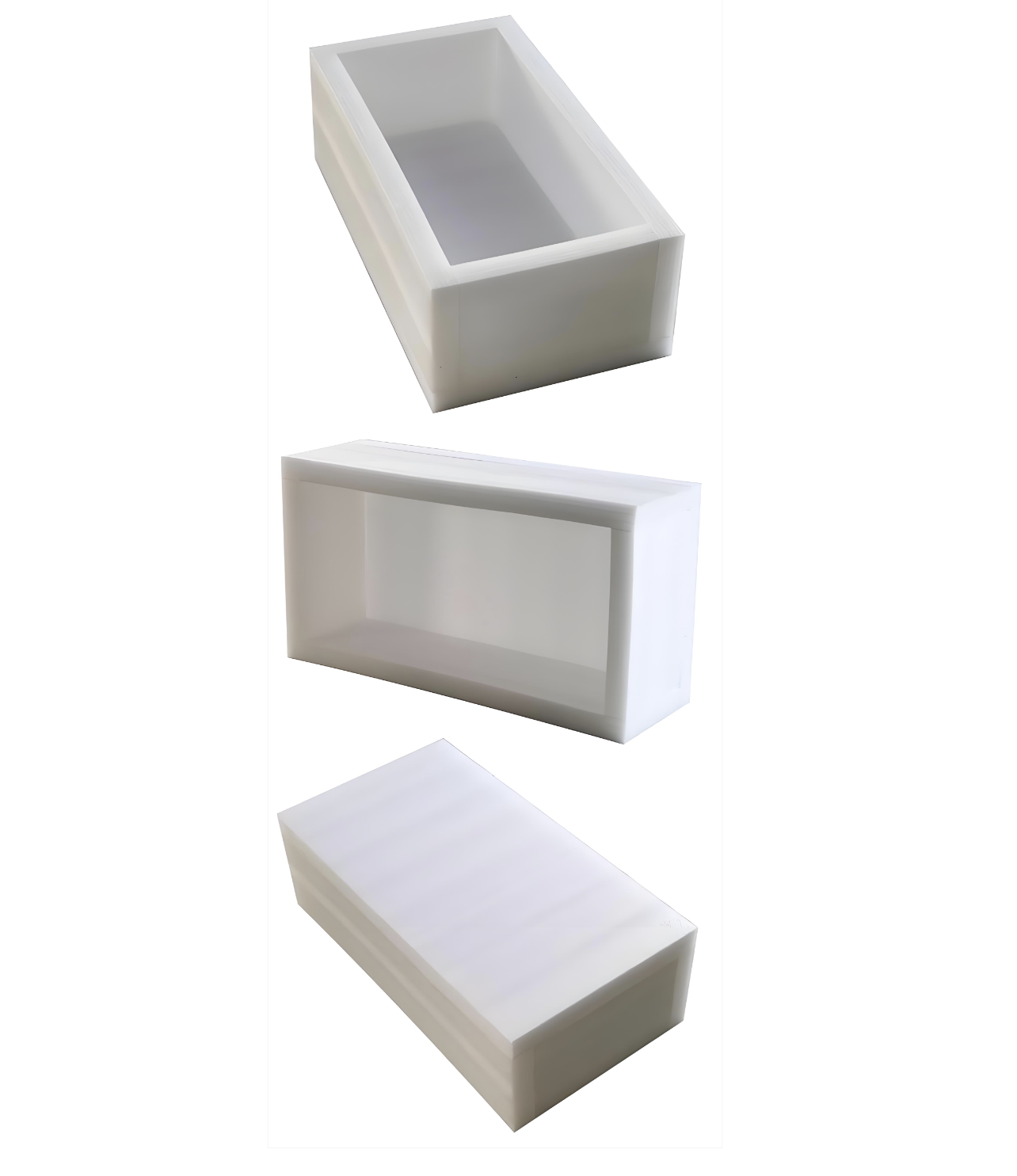






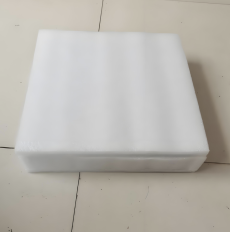
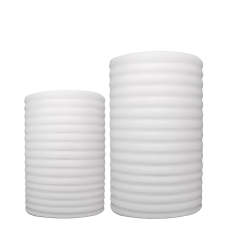
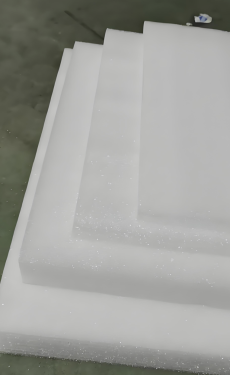

The core advantage lies in its long-term thermal insulation performance. It adopts a multi-layer high-density EPE pearl cotton structure, and the thermal insulation time can reach more than 72 hours (maintaining the temperature in the box at 2-8℃ in a 25℃ environment). Compared with traditional foam insulation boxes, its thermal insulation performance is improved by 40%, and it has stronger impact resistance, which can effectively protect the products in the box from extrusion and collision damage. It uses food-grade raw materials, passes FDA food contact and pharmaceutical packaging safety certification, and does not contain any toxic and harmful substances, suitable for fresh food and pharmaceutical vaccine packaging. Its IPX6 level water resistance can effectively isolate external water vapor from invading, avoiding the reduction of thermal insulation performance due to water absorption of the insulation layer. The reinforced corner design improves the load-bearing capacity of the box, with a maximum load-bearing capacity of 50kg, which can adapt to stacking transportation needs. The optional foldable design reduces the cost of empty box transportation and storage, solving the pain points of traditional cold chain packaging such as insufficient thermal insulation, one-time use and high cost.
The conventional box types are divided into three standard specifications of 20L, 50L and 100L, and any size can be customized according to customer needs. The material density is 30-35kg/m³, the thermal insulation time is ≥72h at 2-8℃, the waterproof grade is IPX6, the maximum load-bearing capacity is 50kg, and the service temperature range is -60℃ to 120℃, which can adapt to all kinds of temperature requirements of cold chain transportation. The box surface adopts a sealed bonding process, without water leakage gaps, and can be used with ice packs, dry ice and other thermal insulation materials to improve the thermal insulation effect.
It is mainly used in fresh e-commerce cold chain distribution (such as fruit, vegetable, seafood, meat packaging), pharmaceutical vaccine low-temperature transportation (such as insulin, vaccine packaging), laboratory sample low-temperature transportation, flower fresh-keeping transportation and other scenarios. It can be reused more than 50 times, greatly reducing the packaging cost of cold chain transportation, and meets the industry standards of food and pharmaceutical safety, helping enterprises meet the temperature monitoring and safety requirements of cold chain transportation.







 Post RFQ


 Chat
Chat


 ALL CATEGORIES