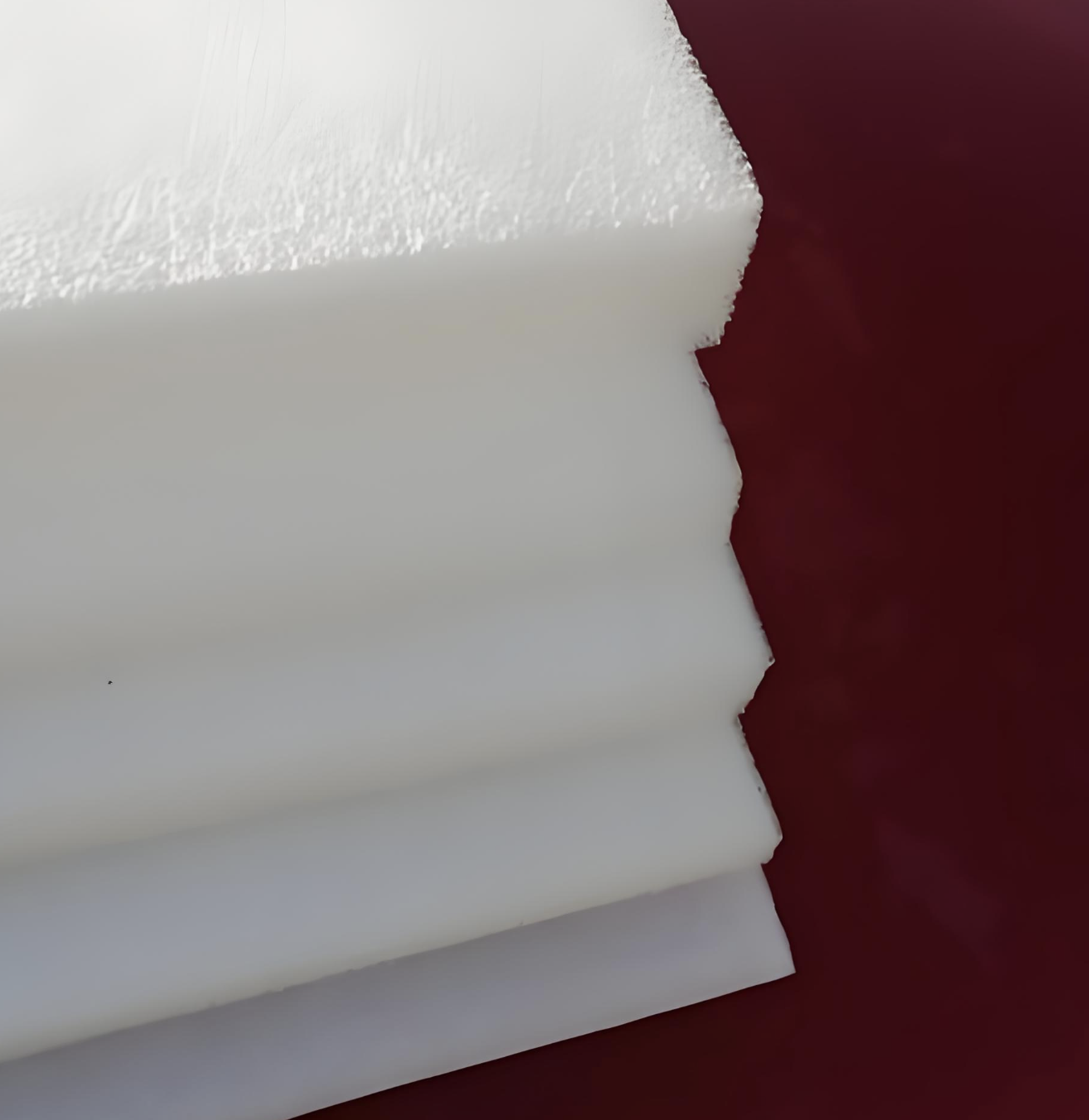
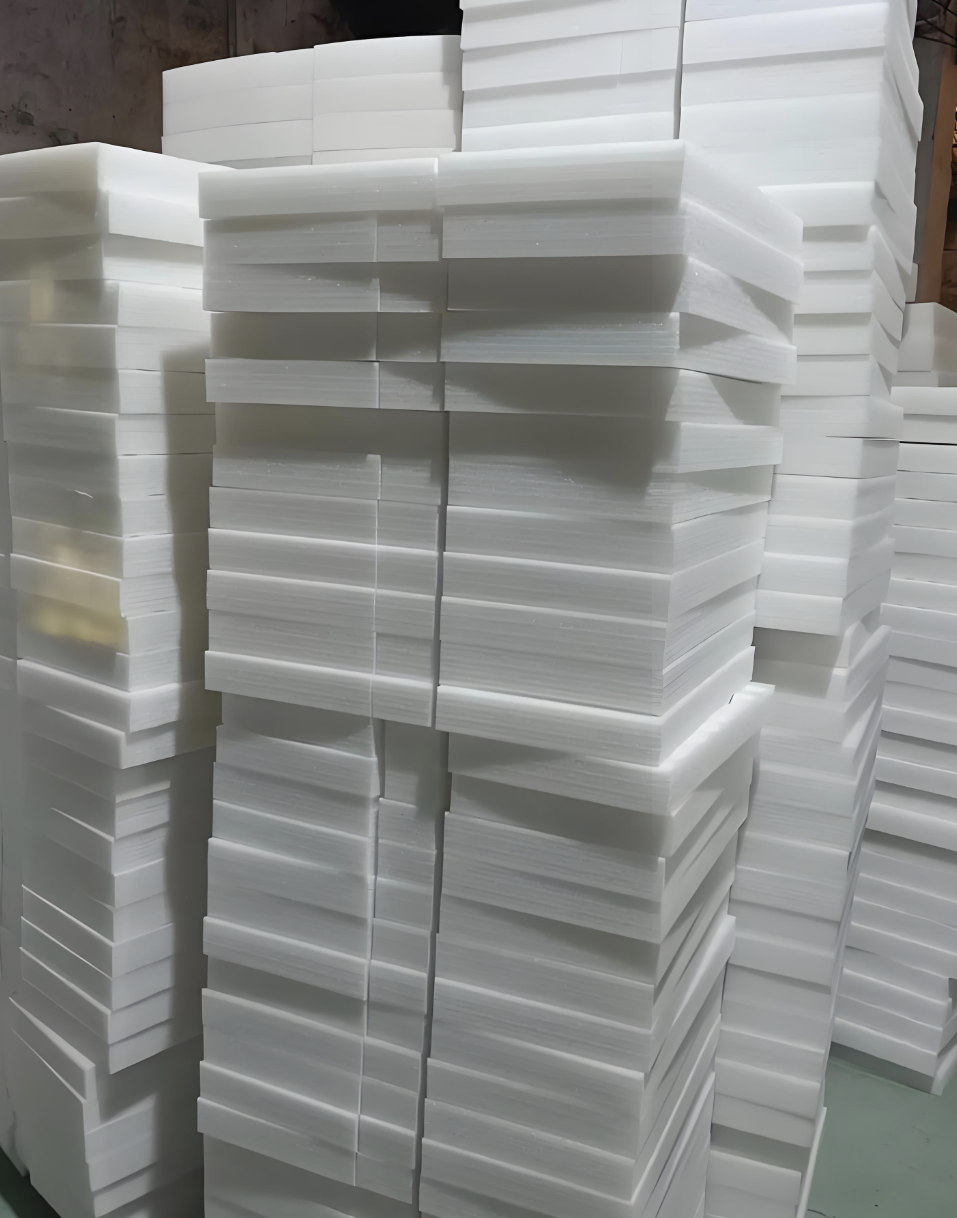






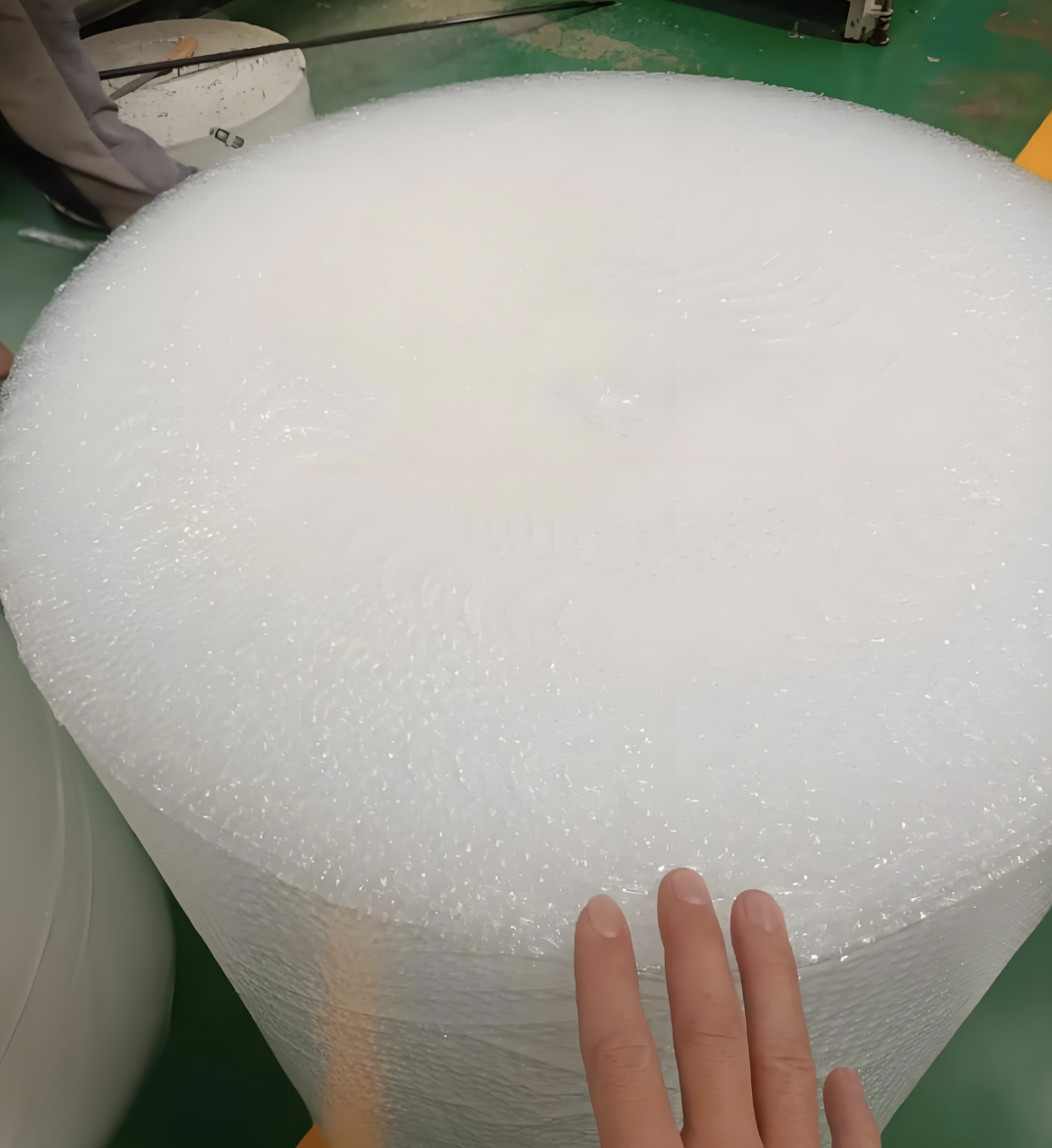
The core advantage lies in its extremely low thermal conductivity, only 0.035W/(m·K), and its thermal insulation performance is better than traditional polystyrene foam boards, which can effectively reduce the energy consumption of buildings and improve the indoor temperature control effect. Its B1-level flame retardant performance can meet the strict fire protection requirements of buildings, and will not produce a large amount of toxic smoke in the event of a fire, improving the fire safety level of buildings. The water absorption rate is only 0.5%, which can effectively prevent water vapor from invading, avoiding the reduction of thermal insulation performance due to water absorption of the insulation layer. It also has excellent sound insulation and noise reduction effect, which can effectively isolate external noise and improve the comfort of indoor living and working environment. Compared with traditional thermal insulation materials, the weight of this product is only 1/5 of that of rock wool, and no heavy lifting equipment is required during installation, and one person can complete cutting and installation, greatly reducing construction costs and cycles.
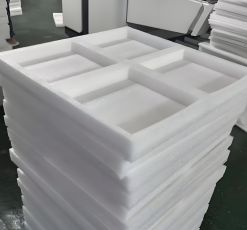
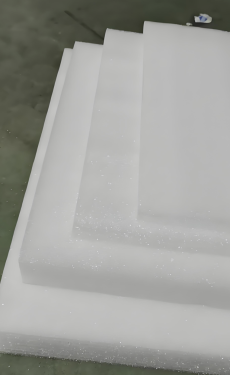
The standard board size is 1220*2440mm, the thickness range covers 10mm to 100mm, the material density is 25-30kg/m³, the thermal conductivity is ≤0.035W/(m·K), the water absorption rate is ≤0.5%, the sound absorption coefficient is 0.75 at 1000Hz, and the service temperature range is -50℃ to 100℃. The surface is treated with UV anti-aging treatment, which can be used in outdoor exterior wall insulation scenarios, and will not be affected by ultraviolet radiation, with a service life of more than 15 years. The product can be easily cut with utility knives, electric saws and other tools, adapting to the thermal insulation needs of all kinds of special-shaped building structures.
It is mainly used in civil building wall insulation, roof insulation, cold storage insulation, air conditioning pipe insulation, industrial workshop sound insulation and noise reduction, container insulation and other scenarios. It can be used as a designated thermal insulation material for green buildings, helping building projects meet the environmental protection standards of energy conservation and consumption reduction, while reducing the heating and cooling costs of buildings and improving the comfort of the indoor environment, solving the pain points of traditional thermal insulation materials such as heavy weight, complex installation and toxic and harmful.







 Post RFQ


 Chat
Chat


 ALL CATEGORIES