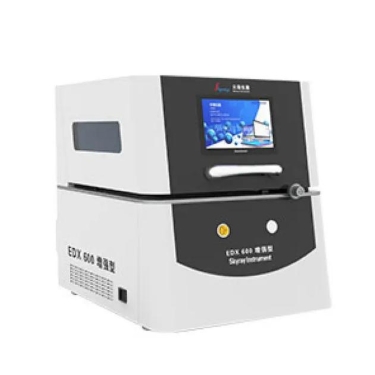
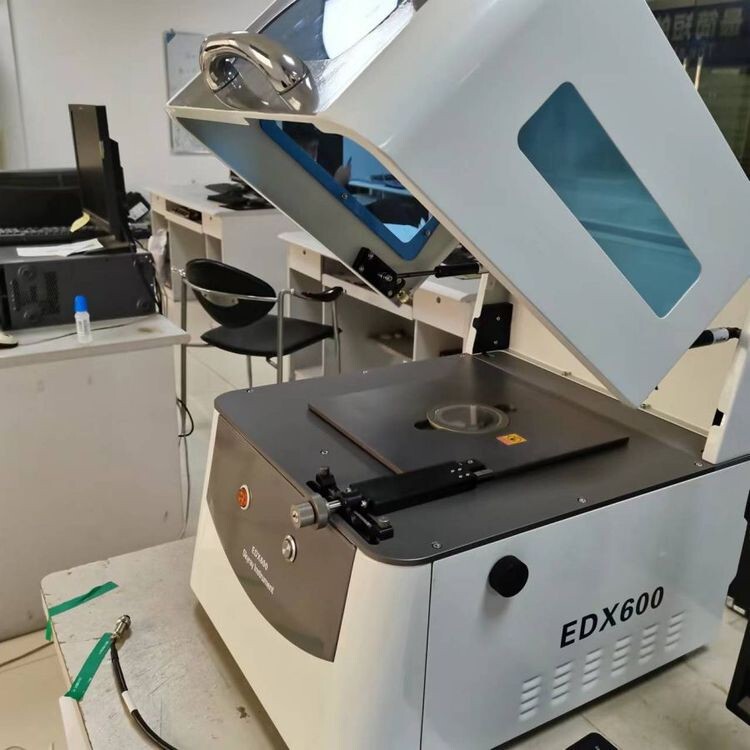


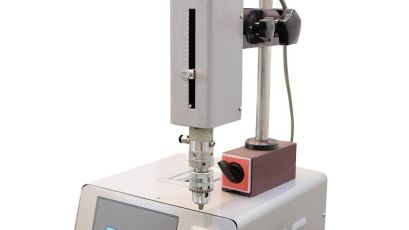
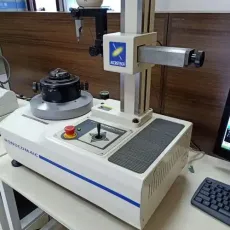
It adopts a dual detection principle design, which can switch between magnetic and eddy current modes with one click, and is suitable for detection of zinc, copper, chromium, paint and other coatings on steel, aluminum alloy, copper and other substrates. The accuracy reaches ±1%+0.5μm, meeting high-precision testing requirements. The 7-inch touch screen supports Chinese and English interface switching, with a built-in 10000-group data storage that supports USB export to a computer to generate standardized inspection reports. The aluminum alloy frame ensures equipment stability and avoids the impact of workshop vibration on detection accuracy. It supports standard block calibration and two-point calibration, and can adapt to workpieces of different thickness ranges, covering more application scenarios than single-principle thickness gauges and reducing the cost of enterprises purchasing multiple devices.
Detection Principle: Magnetic Induction + Eddy Current Dual Mode; Measuring Range: 0-3000μm; Measurement Accuracy: ±(1% + 0.5μm); Replaceable Probes: Magnetic Probe & Eddy Current Probe; Power Supply: 110V/220V AC 50/60Hz; Operating Temperature: 18℃ to 28℃; Storage Temperature: -5℃ to 45℃; Display: 7-inch Capacitive Touch LCD Screen; Data Storage: 10000 Measurement Records + USB Export; Housing Material: Aluminum Alloy Frame + ABS Panel; Net Weight: 8.5kg; Product Dimensions: 320mm (L) × 240mm (W) × 180mm (H); Calibration: Standard Block Calibration & Two-point Calibration; Compatible Substrates: Ferrous Metals (Steel, Iron) & Non-Ferrous Metals (Aluminum, Copper, Brass); Built-in Software: Professional Data Analysis & Report Generation
It is suitable for third-party metal testing institutions, aerospace parts manufacturing plants, electronic component plating workshops and precision hardware R&D laboratories. It can be used for high-precision plating thickness detection, plating process parameter optimization and finished product full inspection report issuance, and can also be used for incoming material inspection in the auto parts and home appliance industries. It adapts to fixed operation scenarios in the laboratory, providing professional testing data support and helping enterprises improve the level of plating process control.







 Post RFQ


 Chat
Chat



 ALL CATEGORIES