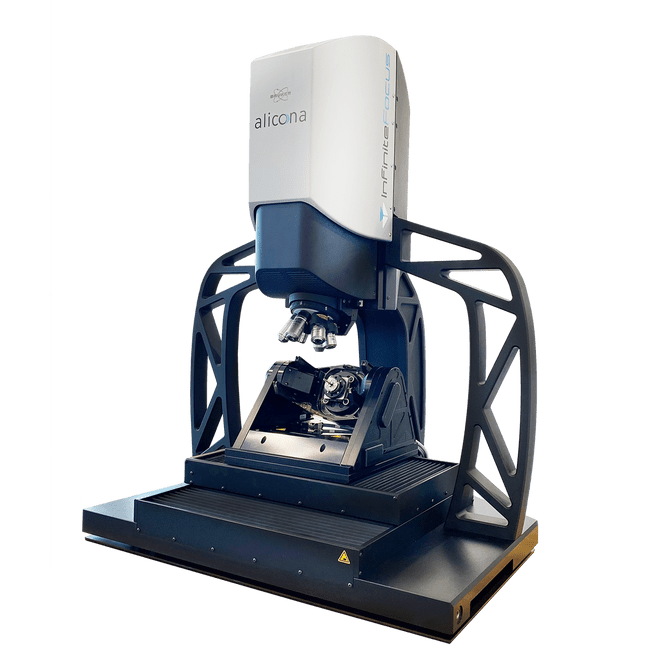
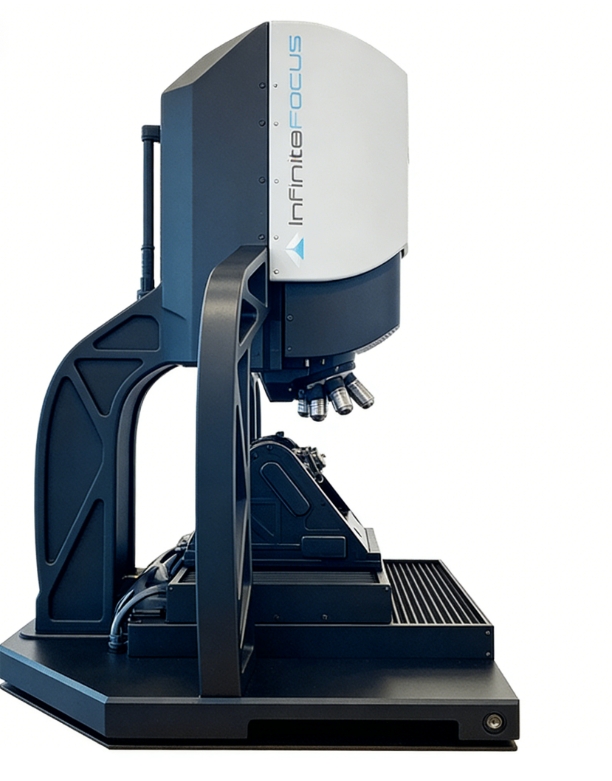


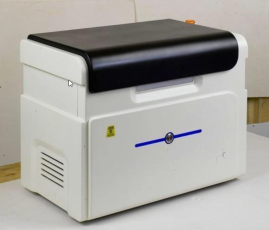
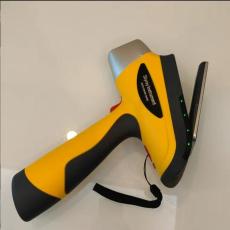
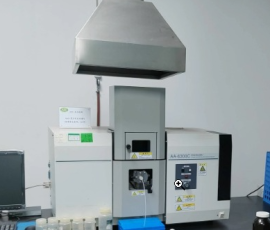
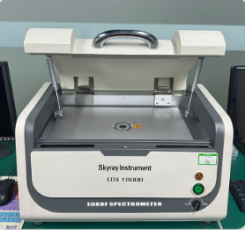
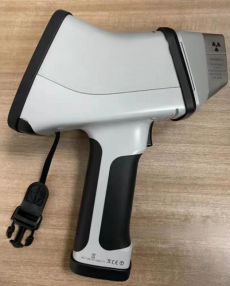

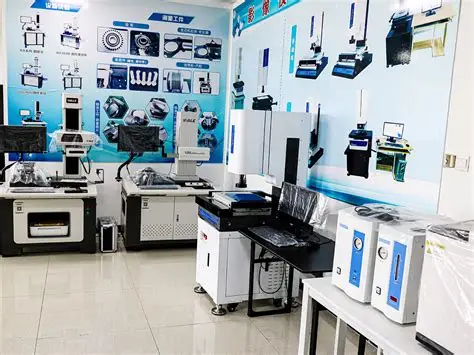
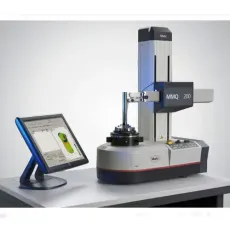
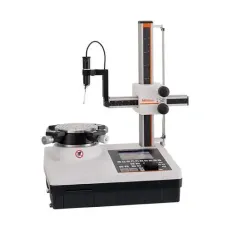
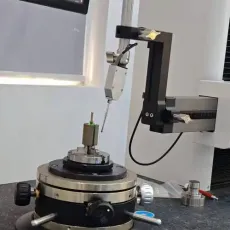
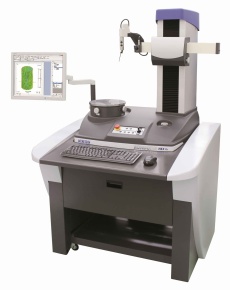
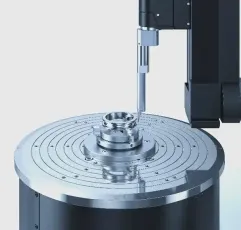
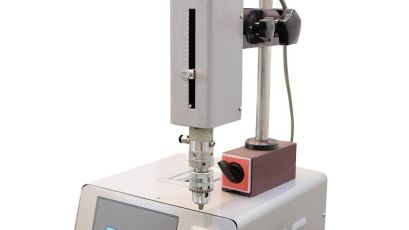
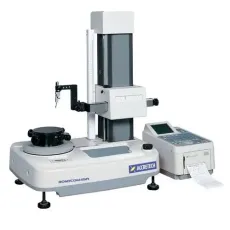
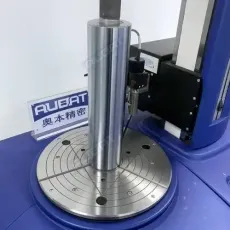
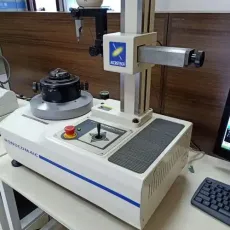
This benchtop tester stands out for its sub-micron measurement accuracy and comprehensive standard compliance. It supports four optional sampling lengths to adapt to different international testing standards including ISO, DIN, and JIS, and the 7-inch touchscreen LCD supports custom report editing and data visualization. The aluminum alloy and stainless steel housing ensures long-term stability in constant-temperature laboratory environments, and the multiple interfaces enable seamless connection with industrial MES systems and data management platforms. It supports automatic one-key calibration to maintain long-term measurement accuracy, and can detect multiple roughness parameters including Ra, Rz, Rq, and Rt. It solves the pain point of insufficient accuracy of handheld equipment for high-precision parts, providing authoritative detection data for enterprise quality certification and third-party inspection.
Detailed specifications include a measurement range of 0.005μm to 20.0μm, resolution of 0.0001μm, and accuracy class of ±0.5% of measured values. It supports four sampling lengths: 0.08mm, 0.25mm, 0.8mm, and 2.5mm, and complies with ISO 1997, DIN 4768, and JIS B0601 testing standards. The device is equipped with a 7-inch capacitive touchscreen, a replaceable diamond stylus with a radius of 2μm, and a measuring stroke of 50mm. It has a total weight of 25kg, uses an external power supply with optional backup lithium battery, and is equipped with USB, RS232, and Ethernet interfaces for flexible data transmission. The overall dimensions are 400*300*200mm, providing stable placement on laboratory workbenches.
This tester is suitable for aerospace precision component manufacturing, medical device processing, mold manufacturing, semiconductor component testing, and national metrology verification institutions. It can detect the roughness of ultra-precision machined surfaces, ceramic surfaces, and medical implant surfaces, providing accurate quality control data for enterprises to meet international quality certification requirements such as ISO 13485 and AS9100. It is also suitable for third-party quality inspection institutions to conduct authoritative roughness testing and issue formal inspection reports.








 Post RFQ


 Chat
Chat


 ALL CATEGORIES