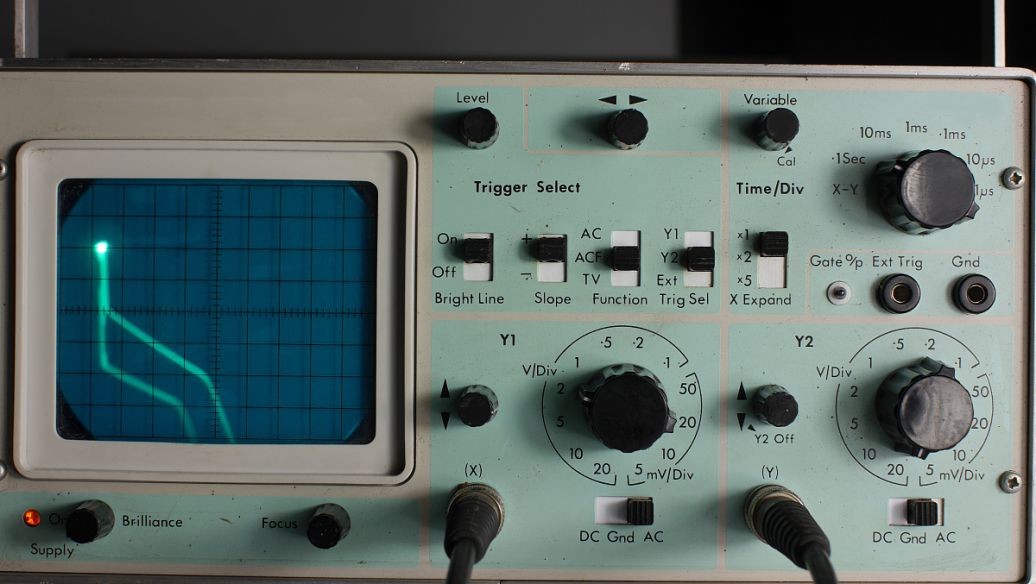
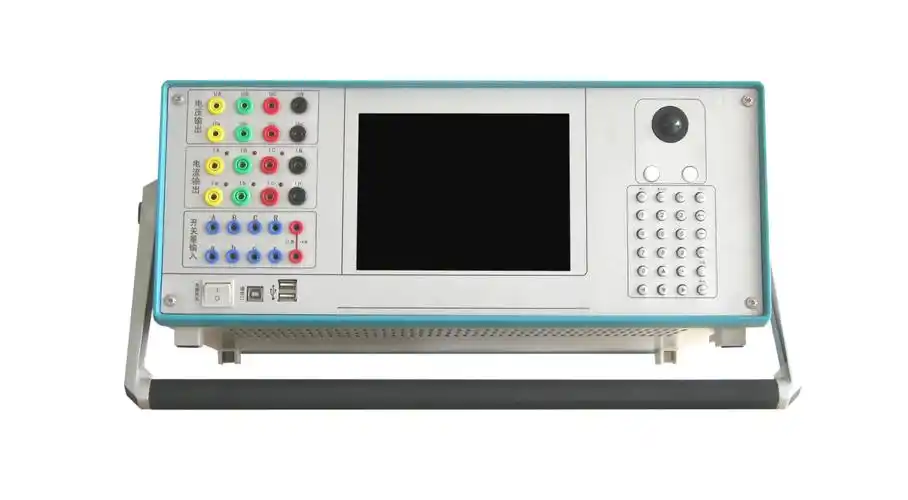


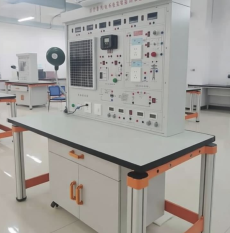
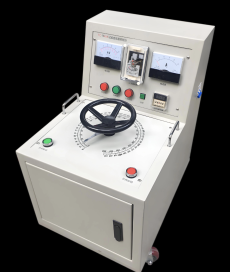
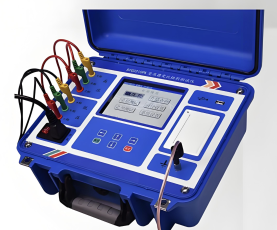

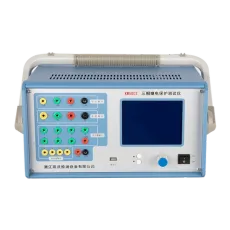
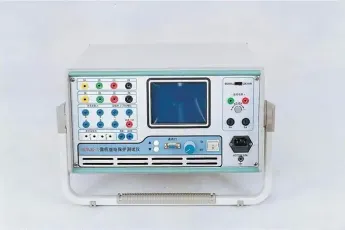
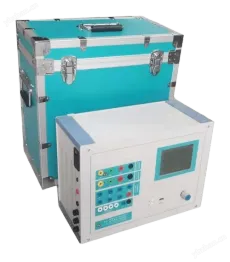
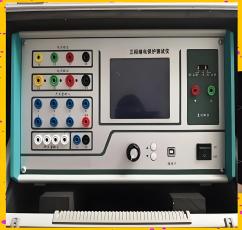
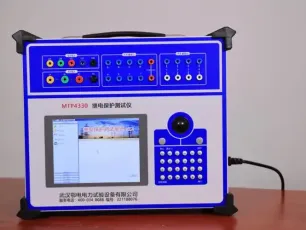
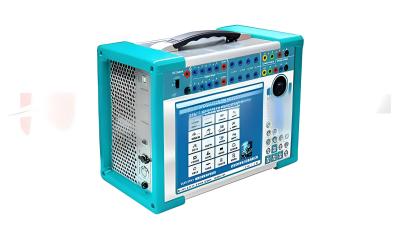
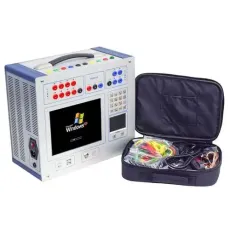
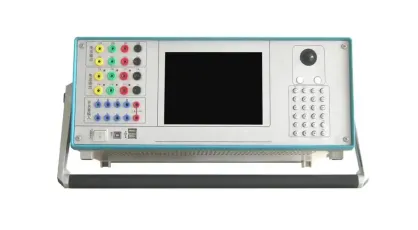
This product adopts 0.1-class high-precision sensors, with test error controlled within 0.1%, meeting key testing standards applied in the rail transit industry. It supports CAN bus and RS485 communication interfaces, enabling direct connection with train signal systems and traction power supply monitoring systems. It features over 300 built-in test templates for rail transit dedicated protection devices, covering track circuit protection, signal protection, traction converter protection and other typical scenarios. With an IP65-rated enclosure, it adapts well to complex operating environments in subway carriages and outdoor trackside areas. The built-in 256GB high-capacity storage supports large volumes of test data recording, and the unit can connect to rail transit operation and maintenance management systems. It also comes with a portable cart design for convenient movement and operation beside tracks, allowing installation and commissioning by a single operator.
Test Channels: 3-channel voltage, 3-channel current + 2-channel signal channel; Output Voltage: 0~1000V AC/DC, resolution 0.001V; Output Current: 0~300A AC/DC, resolution 0.0001A; Accuracy Class: 0.1 class; Dimensions: 700×520×280mm; Weight: 42kg (including portable cart); Power Supply: AC220V/380V±10%, 50/60Hz; Communication Interfaces: 10/100/1000M Ethernet, CAN 2.0B, RS485; Storage Capacity: 256GB, supporting multiple format exports; Display Screen: 12-inch color touch LCD; Protection Grade: IP65; Operating Temperature: -10℃~+60℃; Storage Temperature: -20℃~+70℃; Adaptable Protection Devices: track circuit protection devices, signal machine relay protection, traction converters, catenary protection devices and other equipment.
It is mainly used in subway operation companies, high-speed rail operation and maintenance departments and rail transit equipment manufacturing plants, for annual maintenance of rail transit high-voltage power supply systems, pre-commissioning testing of new equipment and rapid troubleshooting after faults. It can be directly connected to the train signal system to accurately test the action response time and accuracy of various protection devices, ensuring the safety of rail transit operation. It supports rapid on-site debugging, and can complete testing without disassembling equipment, greatly shortening the downtime maintenance time of rail transit. It can also provide standardized test reports, meeting the acceptance requirements of regulatory departments and adapting to the strict supervision standards of the rail transit industry.







 Post RFQ


 Chat
Chat


 ALL CATEGORIES