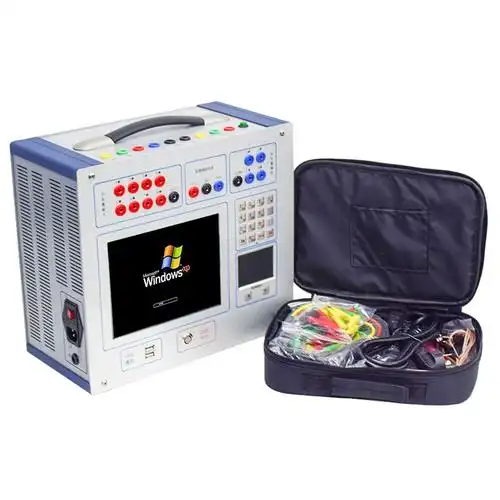
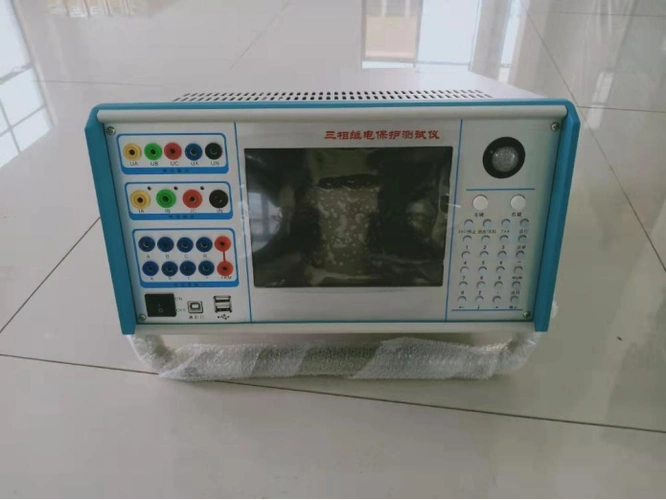


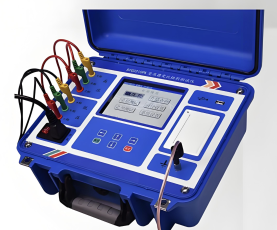

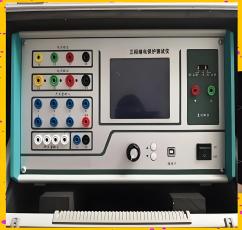
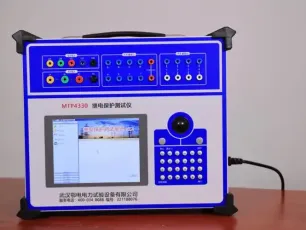
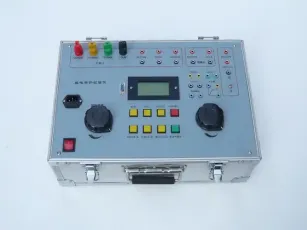
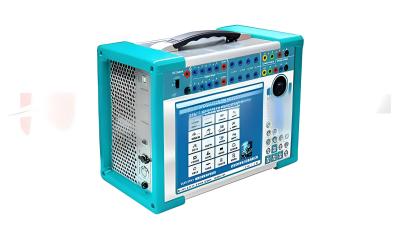
This explosion-proof relay protection tester solves the special testing needs of hazardous area power systems. First, it has passed the national Ex d IIB T4 explosion-proof certification, which can safely operate in flammable and explosive gas environments such as gasoline steam and coal dust. Second, it adopts a reinforced anti-fall aluminum alloy explosion-proof shell, with a protection grade of IP67, which can adapt to dust, rain and other harsh field environments. It supports intrinsic safety DC power supply, which will not generate sparking in hazardous areas. In addition, it has a lightweight design, with a net weight of only 4.1kg, which is convenient for operation and maintenance personnel to carry in hazardous areas. The humanized operating interface can be used with gloves, meeting the operating needs of special working conditions.
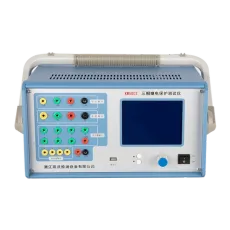
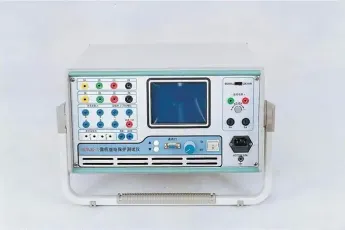
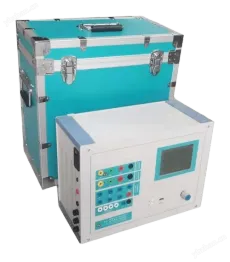
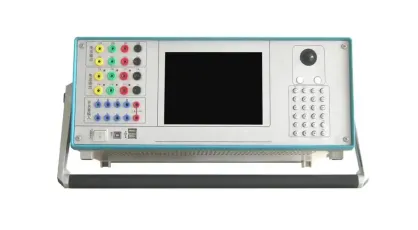
The product specifications of this explosion-proof portable relay protection tester are as follows: overall dimension is 300mm*250mm*130mm, net weight is 4.1kg. It supports dual power supply modes: AC 220V ±10% and intrinsic safety DC 12V. The display is a 5-inch TFT touch screen with a resolution of 800*480, which can be used normally with gloves. The built-in storage can store up to 2000 sets of test data. The test channel configuration includes 6 AC/DC current channels (0~30A) and 6 AC/DC voltage channels (0~800V), with a measurement accuracy of 0.5 level. The standard communication interfaces include USB 2.0 and RS485, and it is equipped with a dedicated explosion-proof storage box for easy transportation.
This explosion-proof portable relay protection tester is mainly applicable to the power system debugging and maintenance of hazardous areas. It can be used for the testing of relay protection devices in oil field pumping stations, chemical plant distribution rooms and coal mine underground power distribution systems. It can also be used for the pre-delivery inspection and regular maintenance of power distribution equipment in hazardous areas, ensuring the safe operation of power systems in flammable and explosive environments. In addition, it can assist maintenance personnel to quickly locate the fault points of relay protection devices in hazardous areas, reducing the risk of power accidents in special working conditions.








 Post RFQ


 Chat
Chat


 ALL CATEGORIES