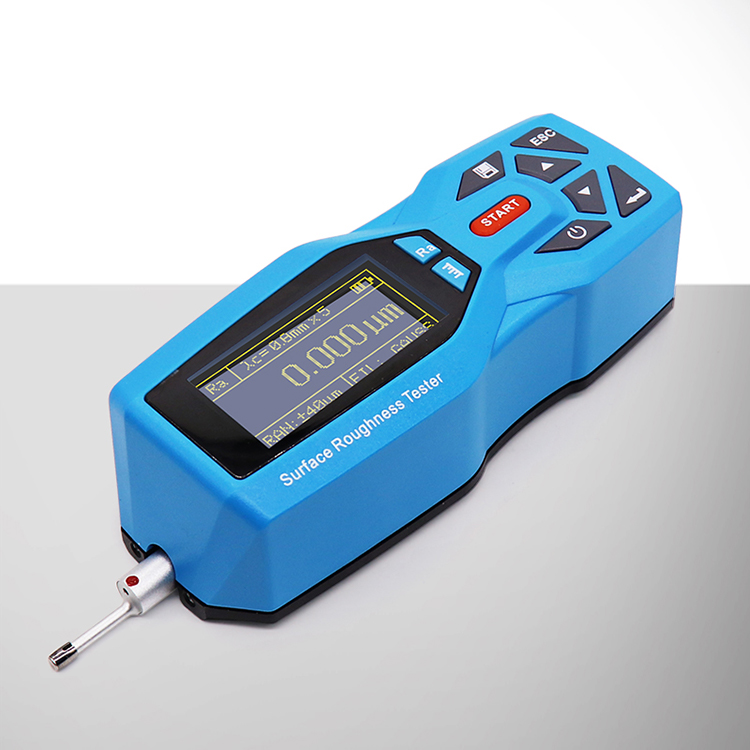
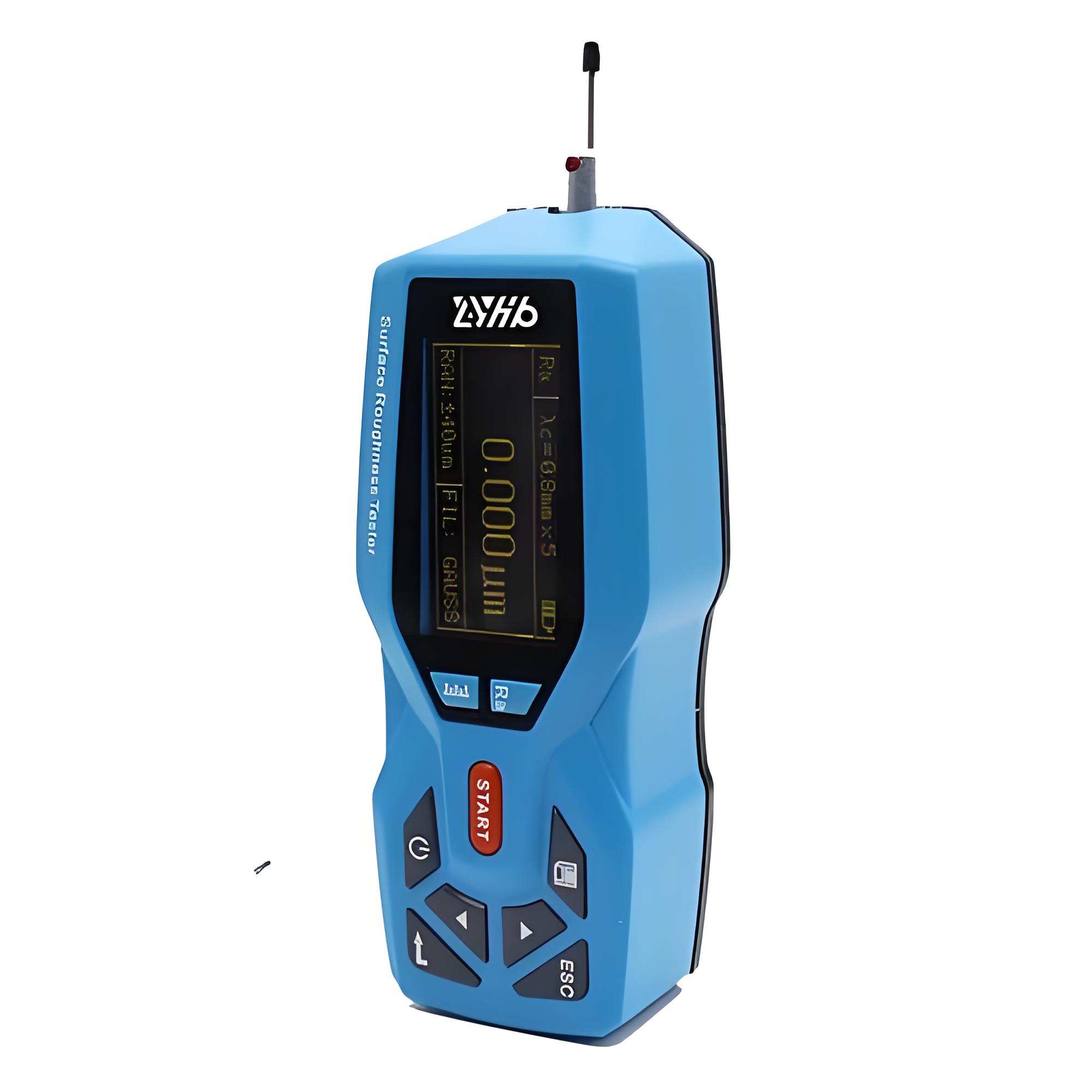






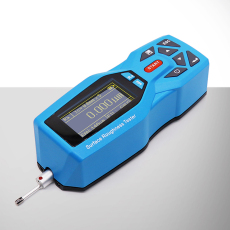
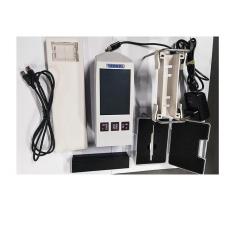
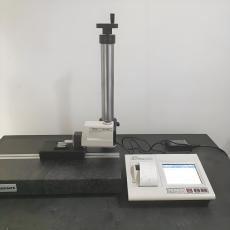
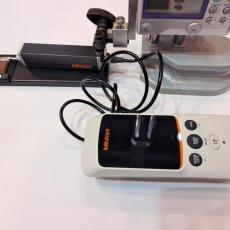
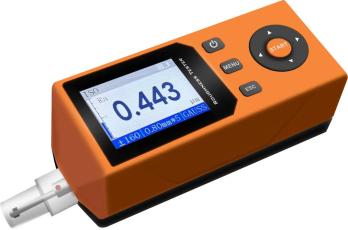
This wireless handheld profiler adopts military-grade aluminum alloy housing, with IP65 waterproof and dustproof rating, suitable for complex on-site environments such as workshops and outdoor construction sites. It supports Bluetooth 5.2 and NFC one-click data transmission, which can quickly synchronize detection data to mobile phones or computers, and supports real-time viewing of detection data on the mobile phone APP. The 2.8-inch OLED screen can clearly display detection data even in strong sunlight. Equipped with a rechargeable Li-ion battery that provides up to 10 hours of continuous runtime, it can meet the needs of all-day field detection. It uses a 1.5μm tip radius diamond stylus, ensuring stable measurement accuracy and long service life. It also supports one-key calibration and automatic generation of detection reports, improving the efficiency of field detection.
Measurement parameters: Ra, Rz, Rq, Rt, Rp, Rv, R3z, Rp/Rv and other common roughness parameters. Measurement range: Ra 0-1200μm, Rz 0-8000μm. Vertical resolution: 0.002μm, measurement accuracy: ≤±0.3% of reading +0.01μm. Stylus parameters: Diamond material, tip radius 1.5μm, tip angle 90°, stylus force 0.5mN. Display: 2.8-inch OLED screen, supports outdoor high-brightness mode. Power supply: 3.7V 1500mAh Li-ion battery, charging time 1.5 hours. Dimensions: 180mm (length) ×60mm (width) ×30mm (height), net weight 0.35kg. Operating temperature: -10℃ to 50℃, storage temperature: -20℃ to 60℃. Waterproof rating: IP65. Interface: Bluetooth 5.2, NFC. Supporting mobile APP: Compatible with iOS and Android systems.
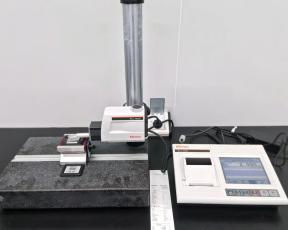
This wireless handheld roughness profiler is widely applicable to on-site detection of large mechanical equipment, steel structure construction sites, large mold maintenance, shipbuilding industry and other scenarios that require mobile detection. It can detect the surface roughness of large shafts, steel plates, ship hulls, mold surfaces and other components without moving the components to the laboratory, greatly reducing the cost and time of transportation. It can also be used in equipment maintenance teams to quickly detect the wear degree of equipment components, providing data support for equipment maintenance and repair. In addition, it can be used in the acceptance of construction projects to detect the surface quality of steel structures.







 Post RFQ


 Chat
Chat


 ALL CATEGORIES