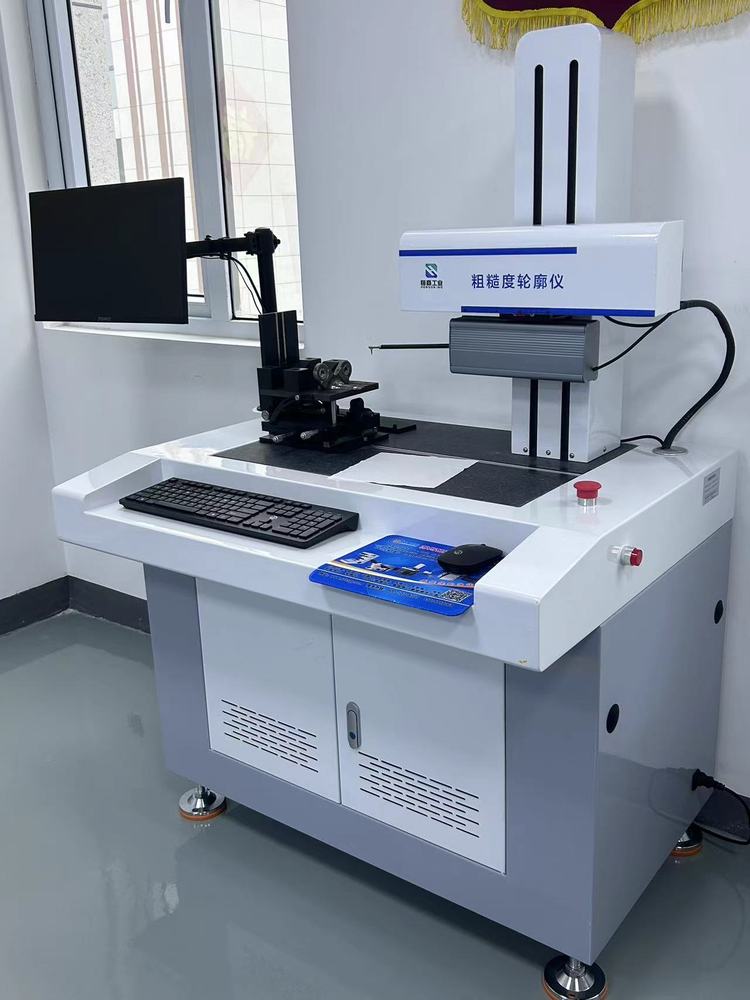
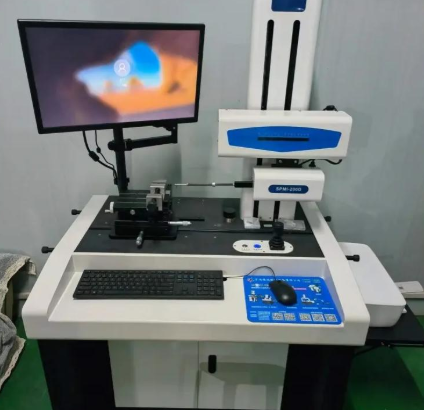





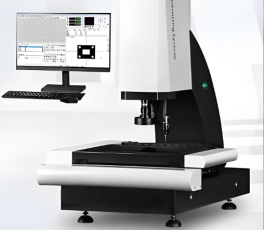
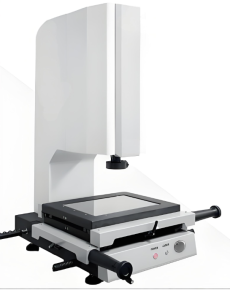
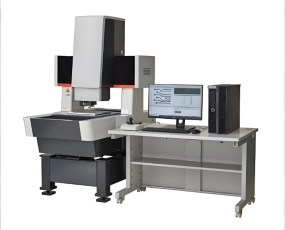
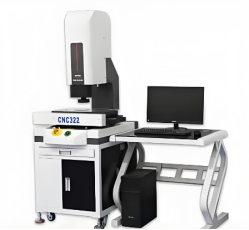

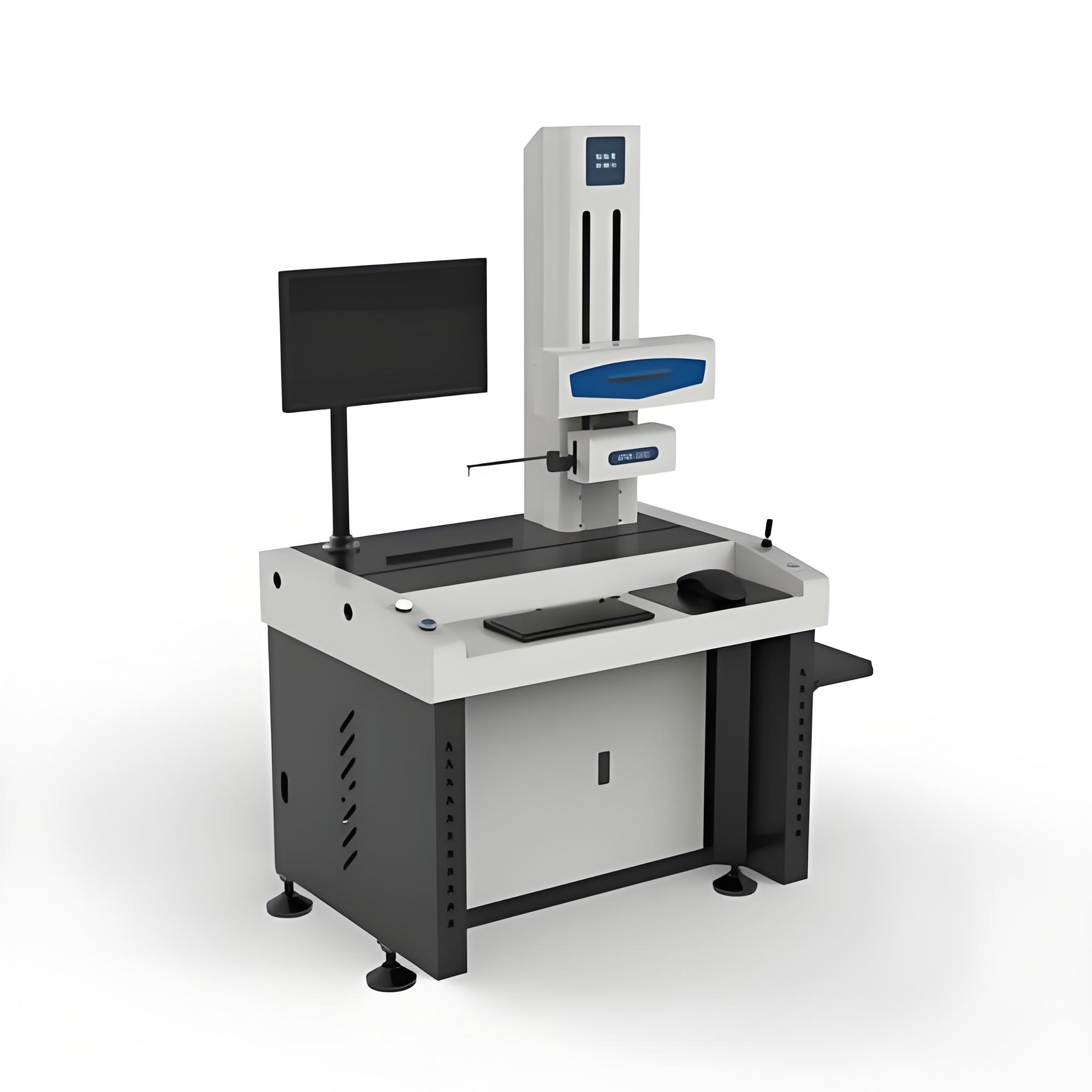
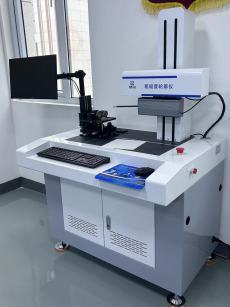
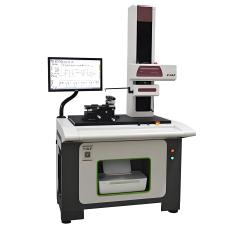
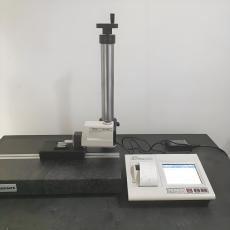
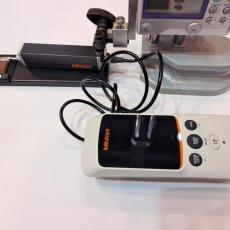
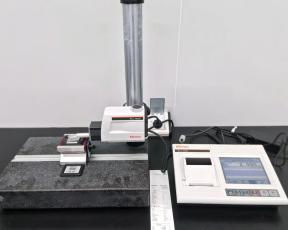
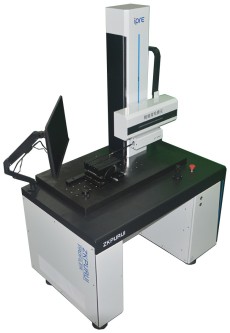
Focusing on ultra-high measurement accuracy, this desktop profiler uses a 1μm tip radius diamond stylus to capture micro-surface features that cannot be detected by entry-level models, with vertical resolution up to 0.0005μm. It supports automatic sample feeding through an optional auxiliary fixture, realizing batch detection of standard parts. Equipped with 7-inch industrial touch screen and professional testing software, it can automatically analyze multiple roughness parameters, generate detailed detection reports and export them in PDF, Word and other formats. It supports Ethernet and Wi-Fi data transmission, realizing remote data sharing and cloud management of testing data. It also has ISO 17025 traceable calibration, ensuring that the detection data meets the requirements of international high-precision testing.
Measurement parameters: Supports 20+ surface roughness parameters and 10+ contour parameters, including contour curve fitting, profile angle, bearing rate curve, etc. Measurement range: Ra 0-2000μm, Rz 0-15000μm, horizontal measurement range 0-100mm, vertical measurement range 0-20mm. Vertical resolution: 0.0005μm, measurement accuracy: ≤±0.2% of reading +0.005μm. Stylus parameters: Diamond material, tip radius 1μm, tip angle 90°, stylus force 0.3mN. Display: 7-inch industrial-grade IPS touch screen, resolution 1024×768. Power supply: AC 100-240V 50/60Hz, built-in backup battery for data protection. Dimensions: 450mm (length) ×320mm (width) ×250mm (height), net weight 12.5kg. Operating temperature: 18℃ to 28℃, humidity 30%-70% RH. Data storage: Supports storage of 100000 sets of detection data, supports remote cloud synchronization. Interface: USB Type-C, Ethernet, Wi-Fi 6.
This high-precision desktop roughness profiler is mainly used in aerospace component manufacturing, semiconductor precision processing, medical device processing, high-precision mold manufacturing and other high-end manufacturing industries. It is suitable for detecting the surface quality of precision shafts, ceramic components, optical lenses, medical implant parts and other ultra-high-precision mechanical components. It can also be used in national-level testing institutions and quality supervision departments to carry out compliance testing of high-end products. It can be matched with automated production lines for online real-time detection of batch parts, improving the quality control level of the production line.







 Post RFQ


 Chat
Chat


 ALL CATEGORIES