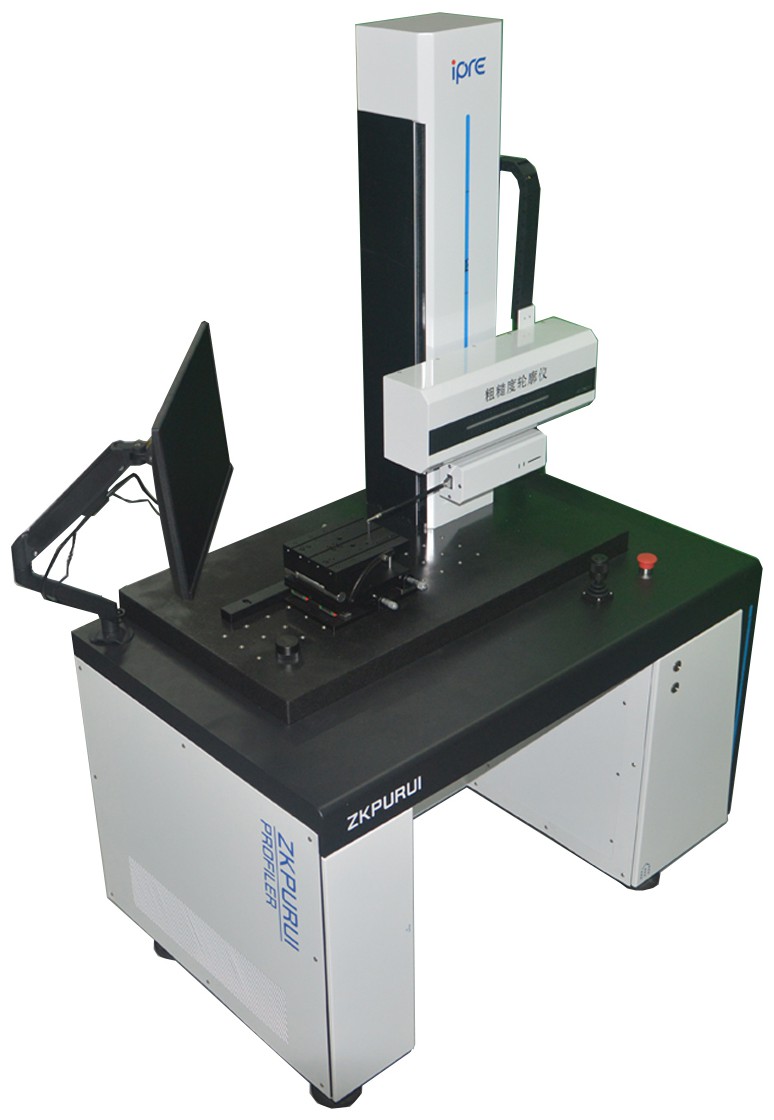
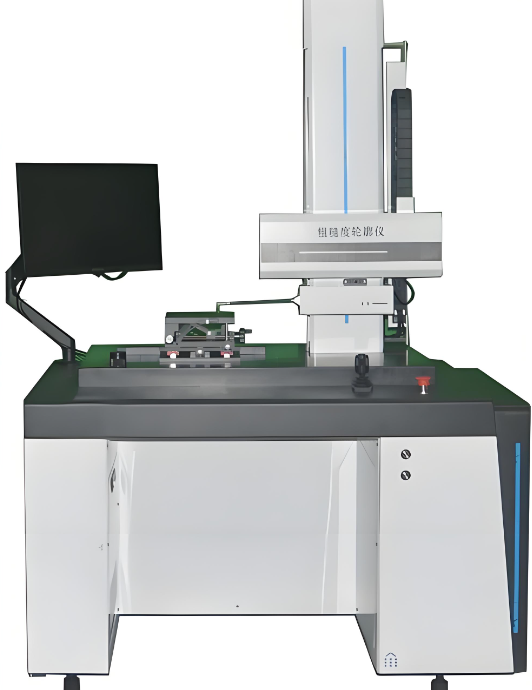





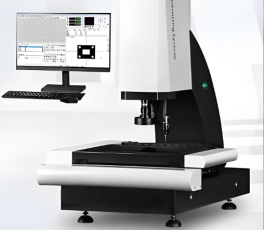
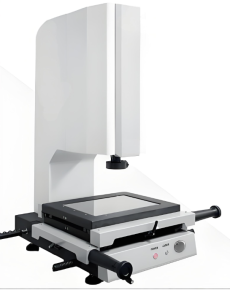
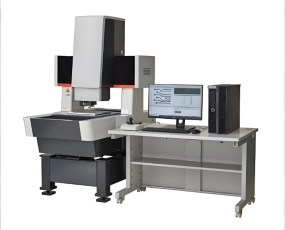
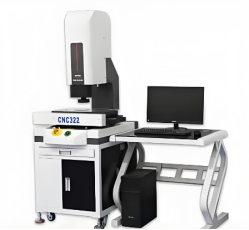

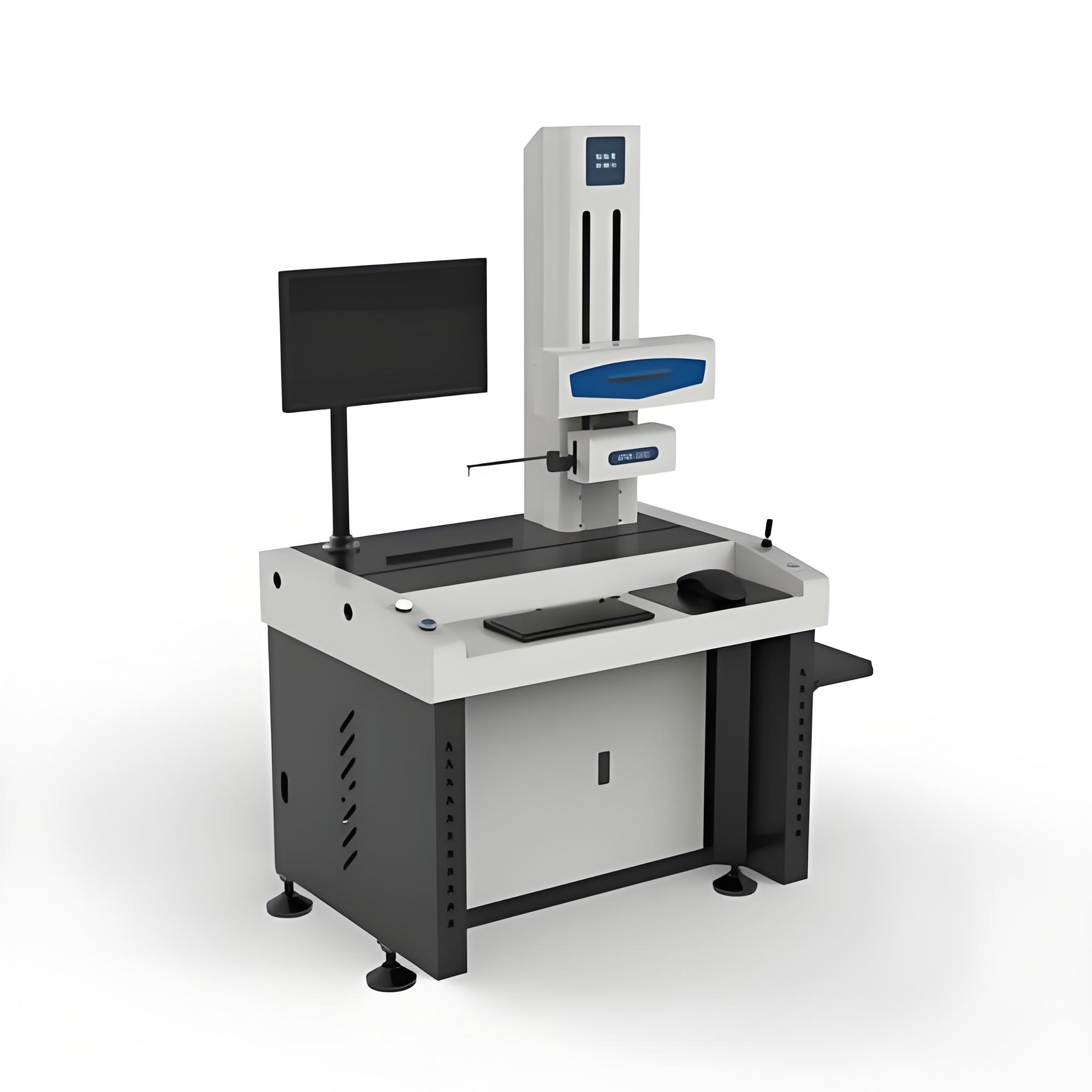
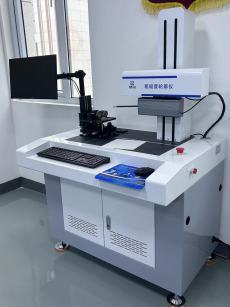
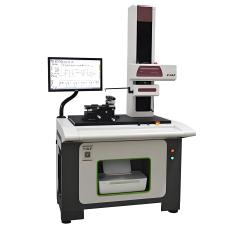
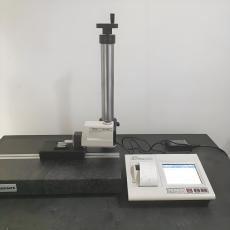
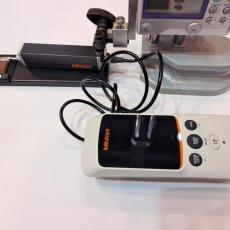
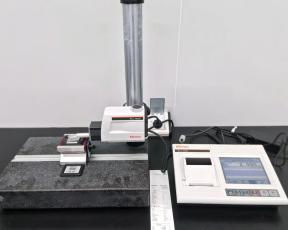
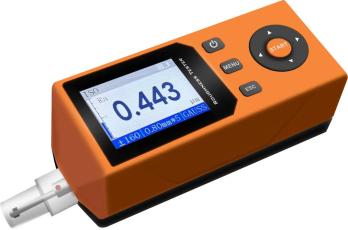
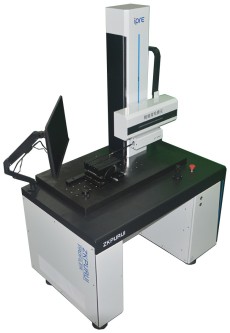
It adopts an aviation aluminum alloy one-piece molding shell to ensure the stability and anti-interference ability of the equipment during long-term operation. The vertical resolution can reach 0.0005μm, and the measurement accuracy can reach ±0.1% of the reading error. It can customize diamond styluses with different radii, adapting to workpiece detection of different materials and surface morphologies. It is equipped with a 10-inch industrial touch screen, supporting intuitive parameter setting and 3D contour visual analysis. The built-in professional scientific research grade roughness analysis software can generate test reports that meet multiple national standards such as ISO, ASTM and GB. It supports USB3.0, Ethernet and HDMI multiple interfaces, which can be directly connected to high-performance workstations for in-depth data analysis. It supports multi-point detection and contour scanning functions, meeting the complex surface testing needs of scientific research level.
The overall size of the machine is 650mm×450mm×300mm, and the total weight is about 15kg. The vertical measurement resolution is 0.0005μm, and the measurement range covers 0~500μm. The measurement accuracy can reach ±0.1% of the reading error. It adapts to AC100-240V wide voltage power supply, and is equipped with USB3.0, Ethernet and HDMI multiple data interfaces. The built-in scientific research grade roughness analysis software can generate more than 50 kinds of surface parameter reports, supporting customized styluses and testing procedures. The protection grade is IP20, which is suitable for use in dust-free laboratories. The working temperature range is 18~30℃ to ensure the environmental stability of high-precision testing. It supports external high-precision three-axis scanning platform to realize contour detection of complex curved surfaces.
It is mainly used in scenarios such as universities and scientific research institutes, semiconductor R&D enterprises, optical lens manufacturers and aerospace material research institutes. For example, it can be used for surface contour detection of semiconductor wafers, surface performance research of new composite materials, and high-precision roughness detection of aerospace engine blades. It can also be used for surface parameter calibration of international standards, meeting the high-precision testing needs of high-end scientific research and R&D.







 Post RFQ


 Chat
Chat


 ALL CATEGORIES