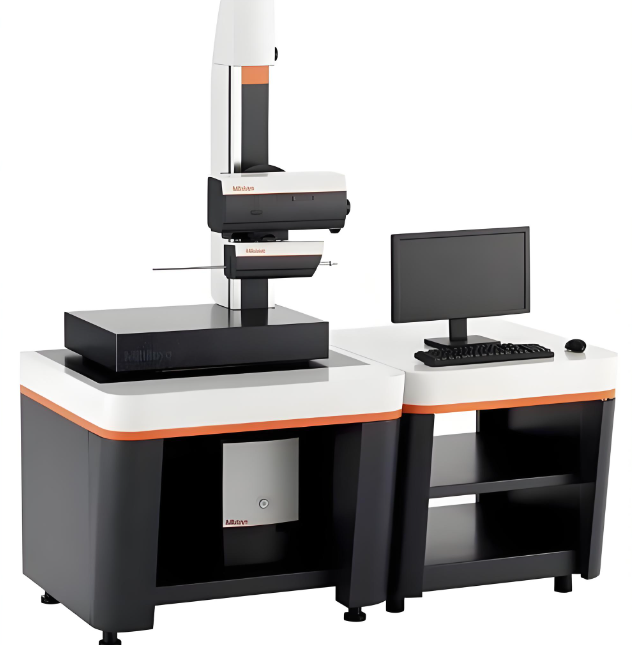
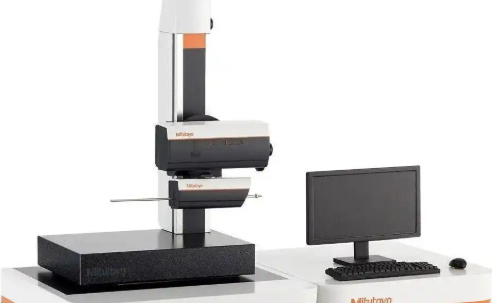





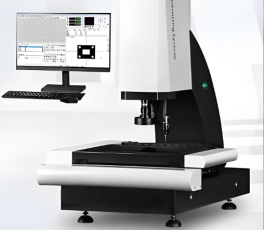
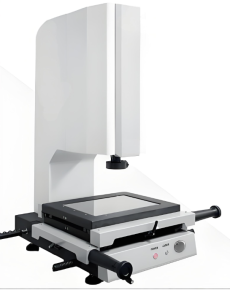
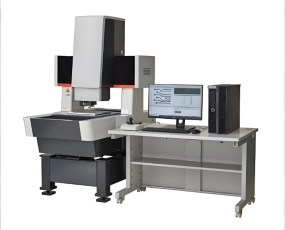
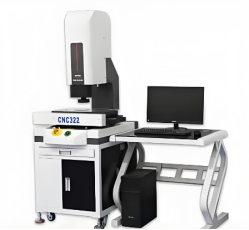

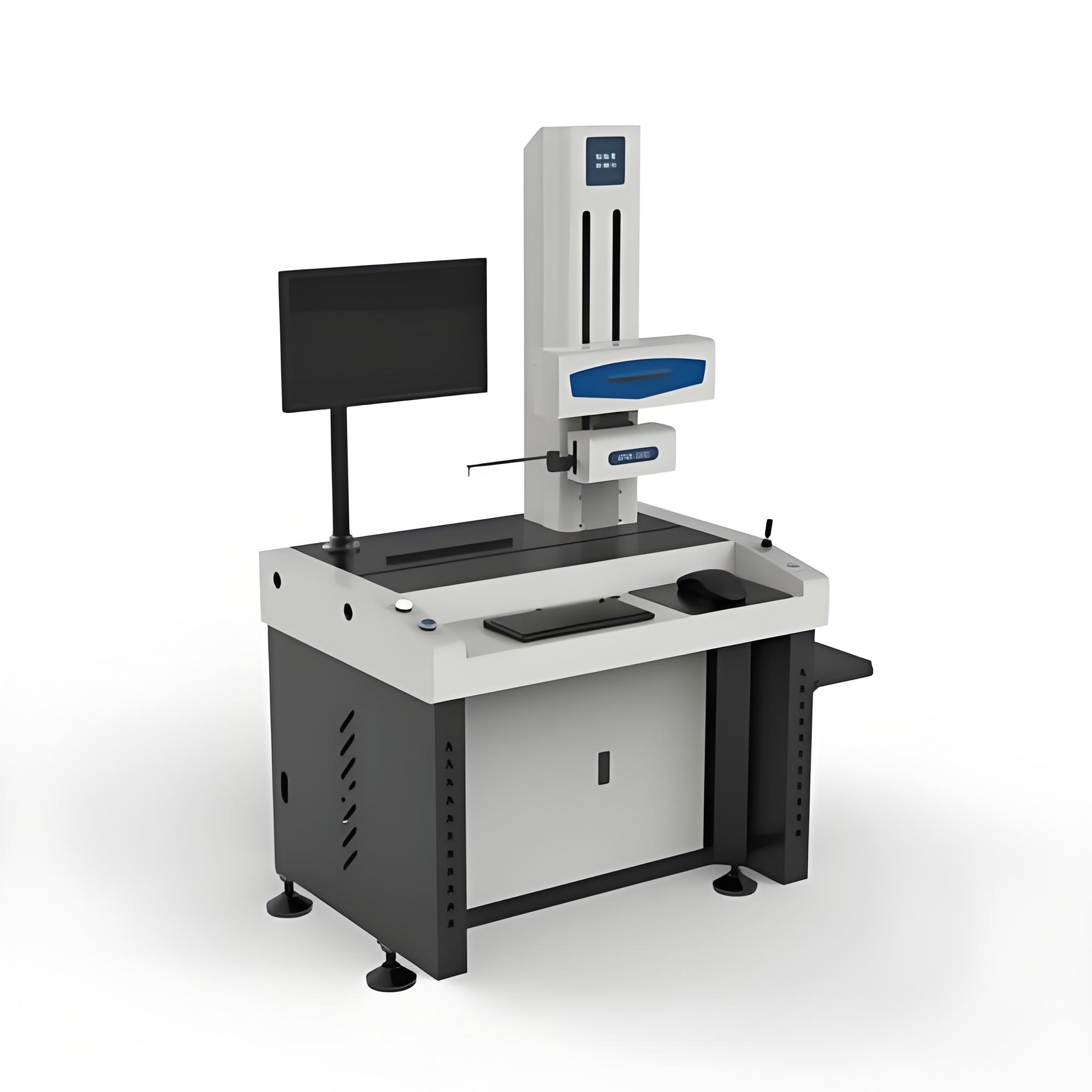
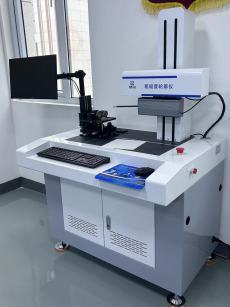
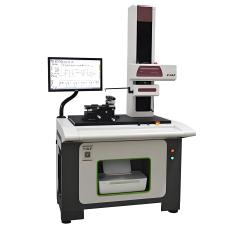
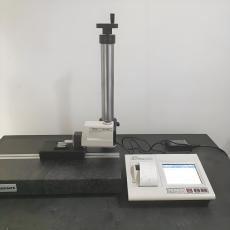
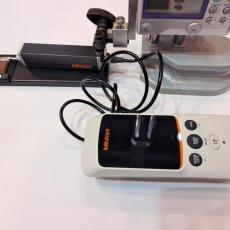
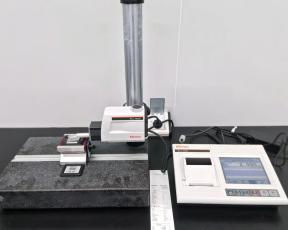
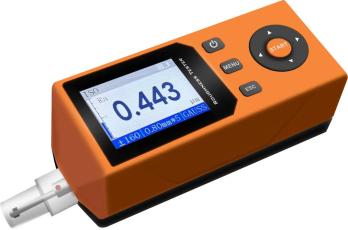
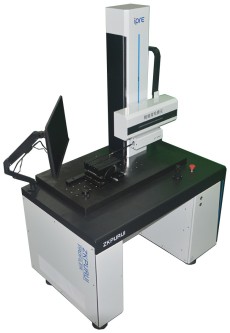
This online profiler adopts non-contact laser profilometer, realizing non-destructive and non-contact detection of the surface of components, avoiding wear of the stylus and damage to the surface of the workpiece. It supports a detection speed of up to 100m/min, meeting the production rhythm of mass production lines. It supports seamless connection with automated production lines through PROFINET, MODBUS TCP and other industrial protocols, realizing real-time feedback of detection data and automatic rejection of defective products. The stainless steel housing has good dustproof and anti-corrosion performance, suitable for the harsh environment of the production workshop. It supports remote monitoring and management of detection data through the industrial cloud platform, realizing real-time tracking of product quality. It also has NIST traceable calibration, ensuring the accuracy of real-time detection data.
Measurement parameters: Ra, Rz, Rq, Rt, Rp, Rv and other common roughness parameters, as well as contour shape detection. Measurement range: Ra 0-1000μm, Rz 0-6000μm, horizontal detection speed up to 100m/min, vertical measurement range 0-20mm. Vertical resolution: 0.001μm, measurement accuracy: ≤±0.3% of reading +0.008μm. Detection method: Non-contact laser profilometer, laser wavelength 650nm. Power supply: AC 100-240V 50/60Hz. Housing material: 304 stainless steel, dustproof and anti-corrosion. Dimensions: 600mm (length) ×400mm (width) ×300mm (height), net weight 22kg. Operating temperature: 0-45℃, humidity 30%-80% RH. Industrial protocol support: PROFINET, MODBUS TCP, Ethernet/IP. Data output: Supports real-time data transmission to production management systems, automatic generation of quality reports.
This online in-line roughness profiler is mainly used in automated production lines of mass production enterprises, such as auto parts manufacturing, hardware fastener production, electronic component processing, and bearing manufacturing. It can be integrated into the production line to realize real-time detection of the surface quality of products, avoiding the need for offline sampling detection, and greatly improving the efficiency of production quality control. It can automatically reject defective products according to the detection results, reducing the rate of defective products and reducing production costs. In addition, it can collect mass production data to analyze the production process, providing data support for optimizing the production process and improving product quality.







 Post RFQ


 Chat
Chat


 ALL CATEGORIES