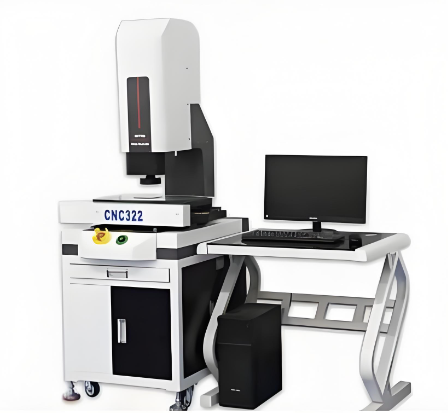
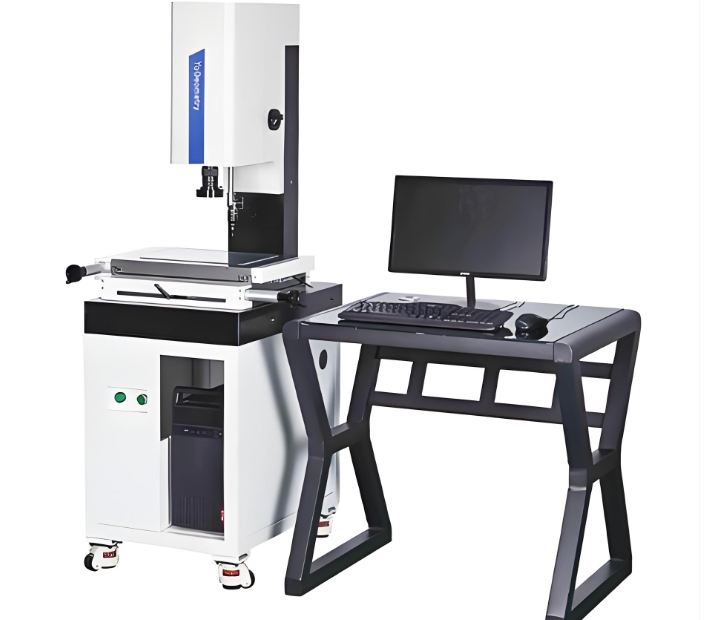





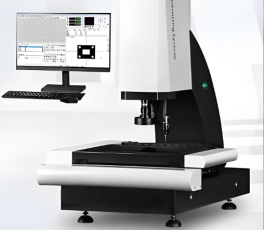
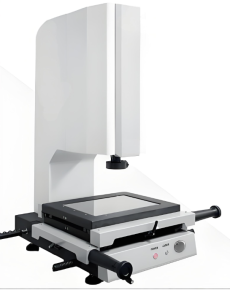
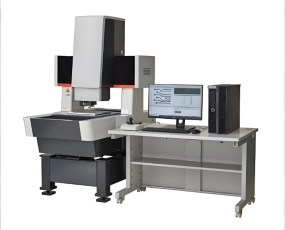
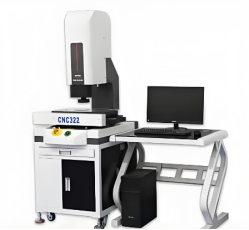

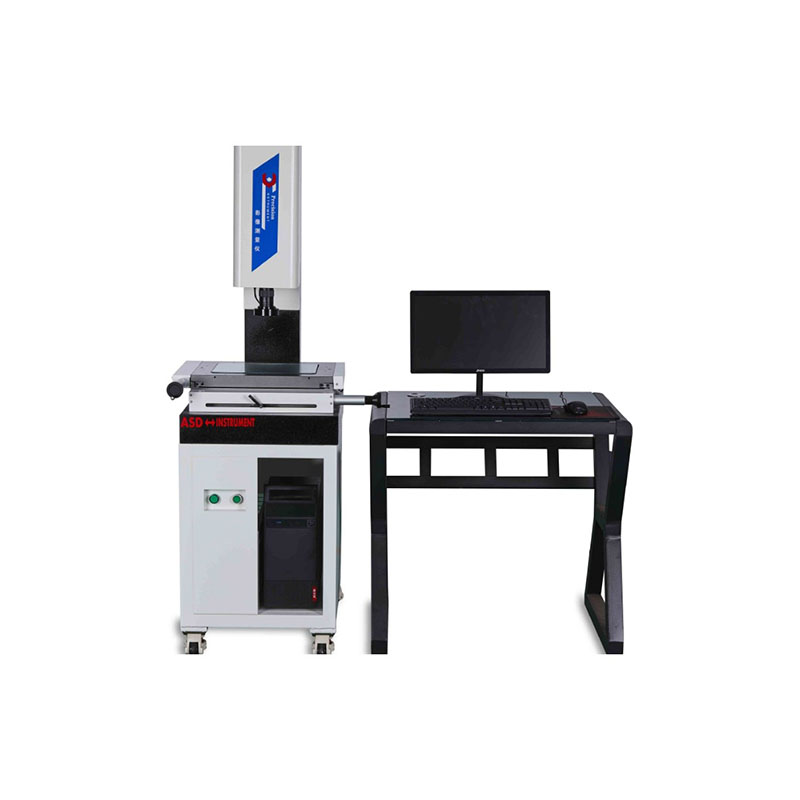
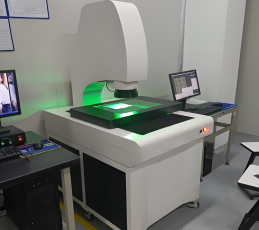
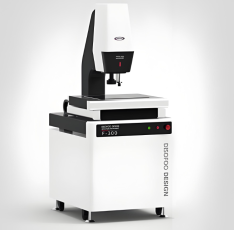
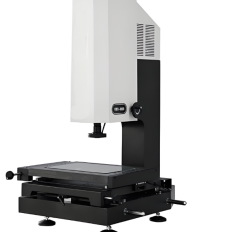
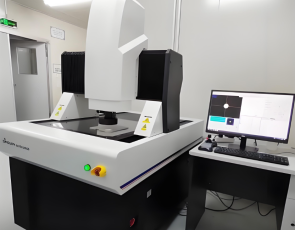
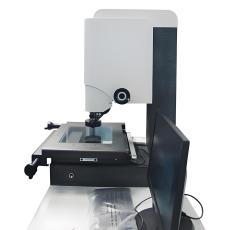
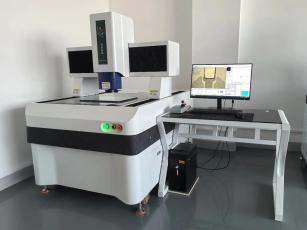
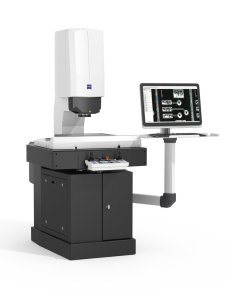
This product features a 0.7-4.5X continuous zoom lens that eliminates the need for lens replacement during measurement, greatly improving detection efficiency and reducing operation steps. The cast iron body base ensures excellent stability, avoiding measurement deviations caused by slight shaking during use. The LED lighting system has no stroboscopic effect, providing uniform and soft light for workpiece surface imaging, ensuring clear and accurate image collection. The VMS Basic V2.0 measurement software supports one-click measurement of aperture, slot width, position degree, angle and other two-dimensional parameters, and can export standard detection reports in multiple formats. It solves the pain points of small and medium-sized enterprises with limited budget but urgent need for precision detection, avoiding the low accuracy and high labor cost of traditional manual measurement methods such as calipers and micrometers, and can be easily operated by workers after short-term training.
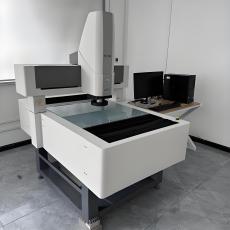
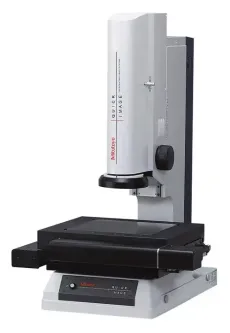
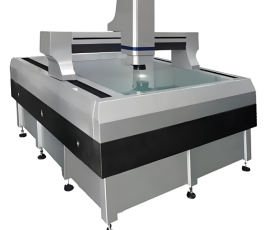
The overall dimensions of this manual bench-top vision measuring machine are 650*550*1200mm, with a net weight of approximately 80kg. The workbench stroke is X-axis 300mm, Y-axis 200mm, and the maximum measurable height is 150mm. It is equipped with a 1280*1024 resolution CCD camera, providing clear image capture for workpieces. The power supply specification is AC100-240V 50/60Hz, adapting to different regional power environments. The workbench can bear a maximum load of 10kg, meeting the placement needs of most small and medium-sized workpieces. The equipment supports USB2.0 data transmission, enabling rapid export of measurement data and software updates, and can be connected to mainstream office computers for data analysis and report generation.
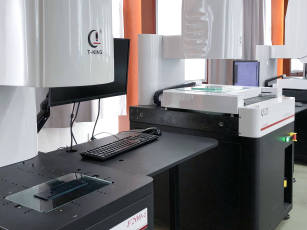
This manual vision measuring machine is mainly applicable to two-dimensional dimensional detection of hardware stamping parts, plastic molds, electronic connectors, precision fasteners and other workpieces. It can accurately measure parameters such as aperture, slot width, position degree, angle and edge distance, and is suitable for incoming material inspection and process self-inspection in small and medium-sized machinery processing, stationery manufacturing, electronic assembly and other industries. It is widely used in quality control links of small and medium-sized manufacturing enterprises, helping enterprises improve product quality and reduce scrap rates caused by dimensional deviations, and can be deployed in small workshop quality inspection rooms with limited space.








 Post RFQ


 Chat
Chat


 ALL CATEGORIES