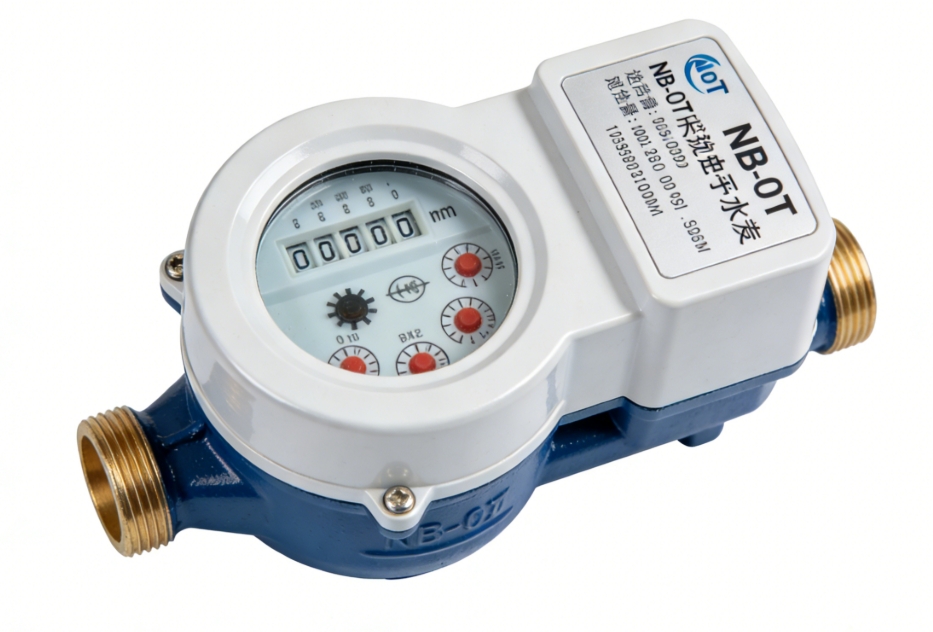
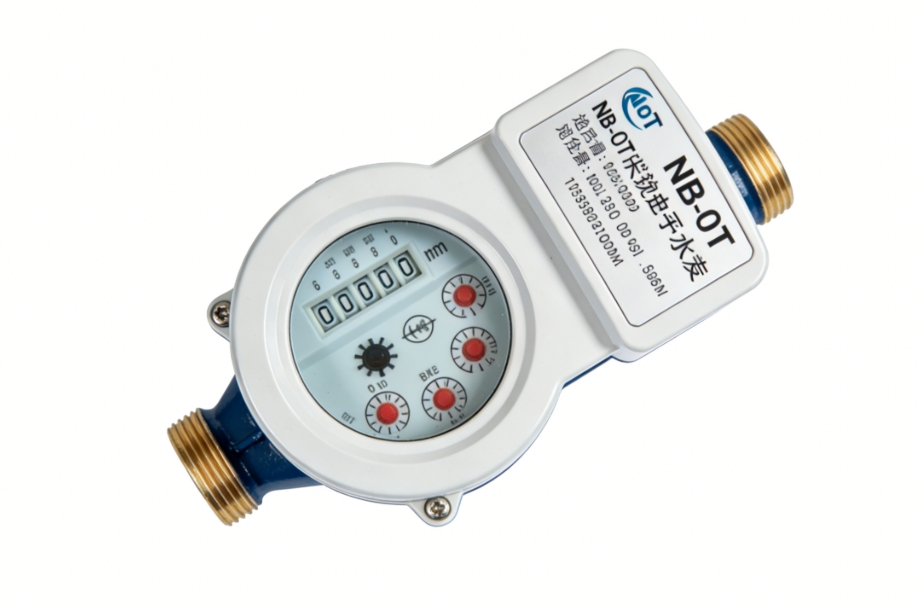


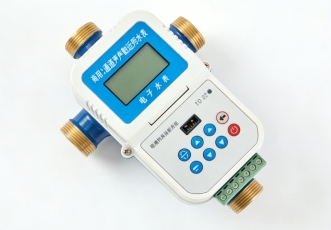
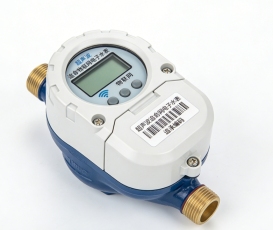
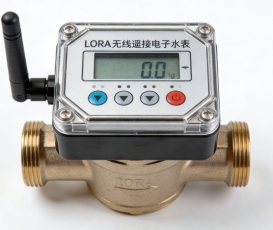
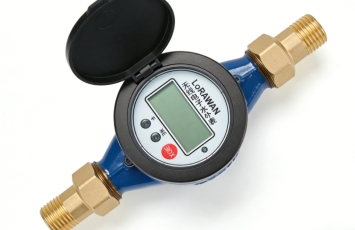
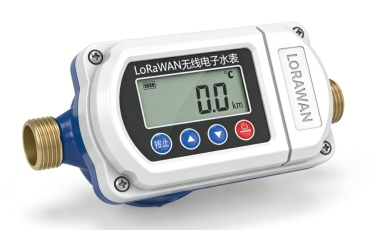
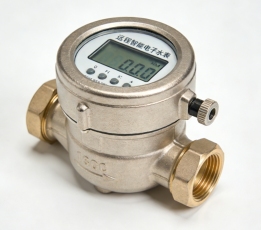
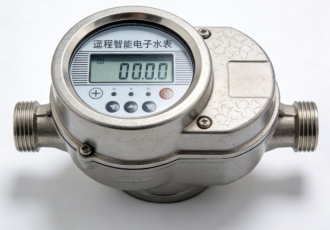
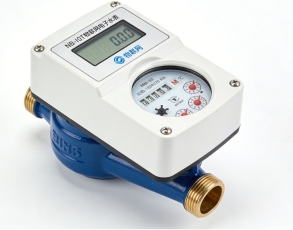
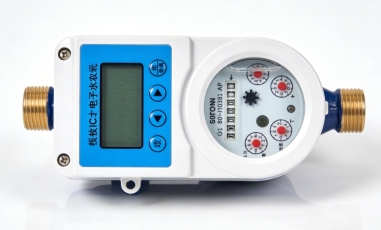
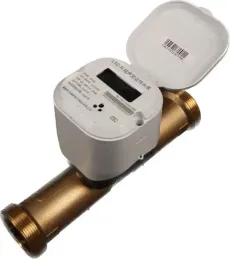
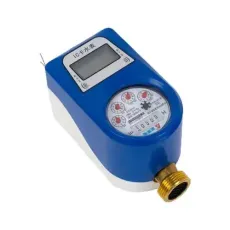
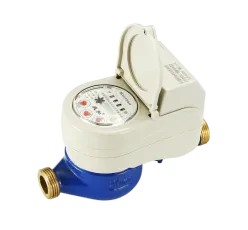
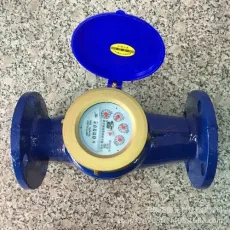
The core advantages of this prepaid water meter include NB-IoT wireless communication, which has a transmission distance of more than 5km in urban areas, eliminating the need for on-site meter reading and wiring work. The 3.6V lithium battery can provide 10 years of continuous power supply without replacement, greatly reducing later maintenance costs. It supports remote top-up and automatic cut-off when the balance is zero, realizing fully automatic water fee management. The built-in leakage protection function can automatically close the water valve when abnormal water flow is detected, avoiding water waste and property losses. The ABS engineering plastic shell has good impact resistance and corrosion resistance, suitable for various outdoor and indoor installation scenarios.
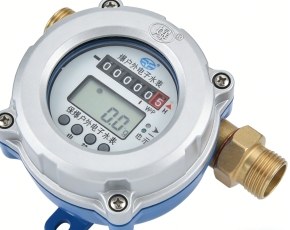
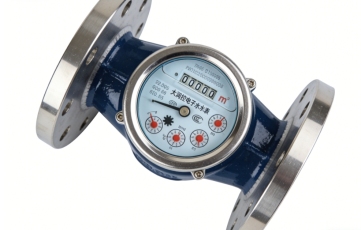
Product specifications: Nominal diameter DN20, flow range 0.001m³/h ~ 15m³/h, meeting ISO 4064 Class 2 accuracy requirements. Adopts threaded connection installation, suitable for standard 3/4-inch water pipelines. The overall size is 120mm (length) × 80mm (width) × 130mm (height), with a net weight of approximately 1.5kg. Powered by a 3.6V lithium battery with a capacity of 3.6Ah, supporting 10 years of normal operation under normal working conditions. Protection grade IP67, can resist short-term immersion in water. Supports customizable data upload intervals, ranging from 1 hour to 24 hours, and can store 5 years of historical water consumption data. It has passed CE, ROHS and ISO 9001 certifications.
This product is mainly applicable to residential communities, office buildings, commercial stores and other scenarios that require prepaid water metering. Water supply companies can use the background management system to uniformly manage user recharge and billing, reducing the workload of on-site services. Users can recharge anytime and anywhere through mobile phones, avoiding the trouble of going out to recharge. The multiple alarm functions can help users and property managers timely discover water use abnormalities, improving the safety of water use. It is suitable for both urban and rural water supply scenarios, and can adapt to complex network coverage environments.







 Post RFQ


 Chat
Chat


 ALL CATEGORIES